WTI oil remains subdued around $60.70 per barrel despite OPEC+ output pause

    by VT Markets
    /
    Nov 4, 2025
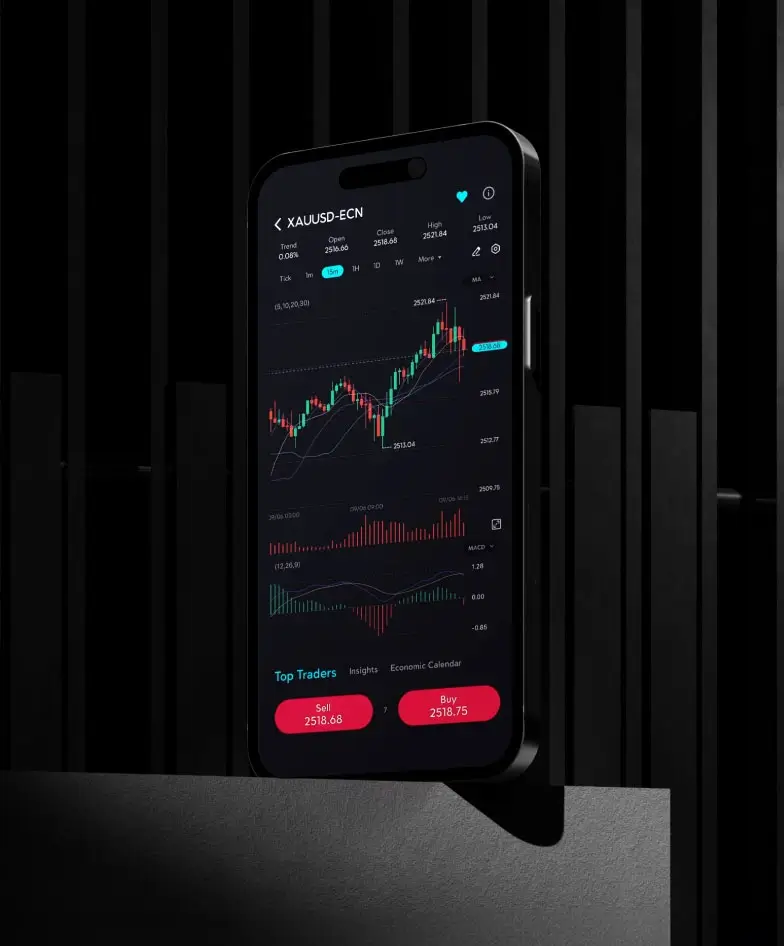
    WTI Oil is currently trading around $60.70 per barrel during Asian hours. This decline comes despite OPEC+’s choice to pause production increases early next year. Analysts are concerned about ongoing supply risks. Tighter sanctions on Russian oil companies, Rosneft and Lukoil, and recent attacks on Russia’s energy infrastructure contribute to these risks. Market caution is also driven by the Federal Reserve’s unclear outlook for interest rate cuts in December. Chair Jerome Powell mentioned that more rate cuts aren’t guaranteed. Fed funds futures traders now see only a 65% chance of a cut, down from 94% last week. OPEC+ has decided to freeze production increases from January to March because of seasonal demand changes. West Texas Intermediate (WTI) Oil is a high-quality type of oil from the US, known for being “light” and “sweet.” It serves as a benchmark in the market. Prices for WTI are affected by supply, demand, political factors, and the value of the US Dollar. Reports on weekly oil inventories by API and EIA greatly influence WTI prices, as changes in inventory reflect shifts in supply and demand. OPEC’s production goals have a big impact on WTI prices. Cutting production tightens supply and raises prices, while increasing production leads to lower prices. OPEC+ includes both OPEC and non-OPEC members like Russia, whose production choices are also very influential. As of November 4th, 2025, WTI is trading within a stable range, showing a balance between managed supply and uncertain demand. The market is still dealing with the effects of the Federal Reserve’s careful monetary policy from 2024. This situation suggests that making clear, directional bets on crude oil could be risky in the near term. For traders dealing in derivatives, the current market favors strategies that benefit from sideways price movement or defined volatility instead of strong trends. We suggest using strategies like iron condors or strangles on WTI futures over the next few weeks. This allows traders to profit from price stability, with strike prices set around a likely trading range of $70 to $85 per barrel. Looking back, the market’s concerns were justified. The Fed is only slowly moving away from its strict policies this year, with the federal funds rate currently at 4.50%. The CME FedWatch Tool shows little expectation for aggressive cuts, which supports a strong US Dollar and weighs on oil demand. This economic backdrop makes a significant price breakout above recent highs unlikely without a new catalyst. On the supply side, OPEC+’s choice to pause output hikes, first discussed late last year, has created a stable floor for the market. The group’s production discipline throughout 2025 has kept global supplies balanced. Recent EIA data shows US commercial crude inventories are near their five-year average of about 440 million barrels. This balance helps prevent a price drop but also limits potential gains, making a range-bound market more likely. Geopolitical risks from sanctions on Russian oil and attacks on its infrastructure remain, just like last year. However, Russian output has been surprisingly stable, averaging over 10.5 million barrels per day for most of 2025. This indicates that supply disruptions have been small and short-lived. We view these issues as sources of short-term volatility, creating chances to sell into strength rather than signs of a lasting supply shortage.

    here to set up a live account on VT Markets now

    see more

    Back To Top
    server

    Hello there 👋

    How can I help you?

    Chat with our team instantly

    Live Chat

    Start a live conversation through...

    • Telegram
      hold On hold
    • Coming Soon...

    Hello there 👋

    How can I help you?

    telegram

    Scan the QR code with your smartphone to start a chat with us, or click here.

    Don’t have the Telegram App or Desktop installed? Use Web Telegram instead.

    QR code