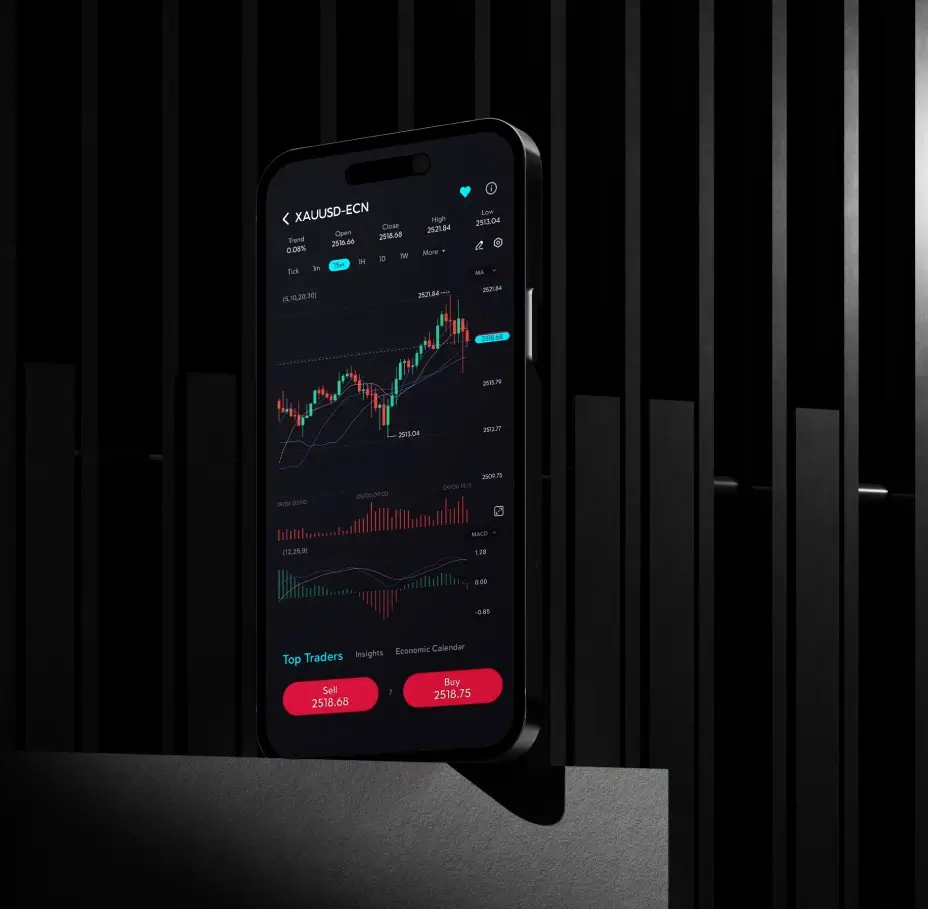
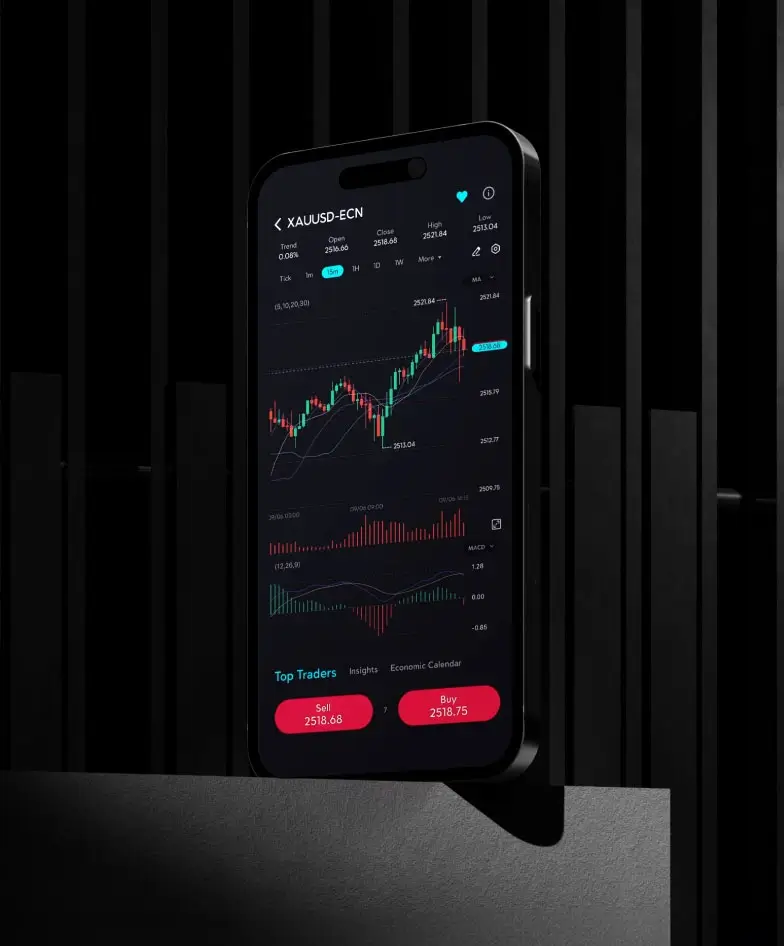
Gold rose on Wednesday as the US Dollar and oil fell amid reports of progress towards a US-Iran deal. XAU/USD traded near $4,714, up over 3% on the day and at its highest level in over a week.
Axios reported, citing two US officials and two other sources, that the sides are nearing a one-page memorandum of understanding to end the war and set a framework for nuclear talks. It said Iran could pause enrichment while the US could lift sanctions and release billions of US Dollars in frozen funds, and both sides could end the Strait of Hormuz blockade.
Iran Response And Report Details
Iran’s Foreign Ministry said it is reviewing the latest US proposal and will send a response to Pakistan, according to ISNA. ISNA said parts of the Axios report were “speculation” and that the proposal includes “ambitious and unrealistic” demands.
Donald Trump said the US paused its “Project Freedom” operation due to “great progress” towards a “complete and final agreement”. WTI crude fell more than 10% at one point and later traded near $92.40, down nearly 7.5%.
Treasury yields eased and September rate-cut odds rose to 19.9% from 1.4% a week ago, via CME FedWatch. ADP showed April private payrolls rose 109K versus 61K and 99K expected; focus shifts to jobless claims and NFP.
We remember this time last year, in May 2025, when hopes of a US-Iran deal sent gold surging past $4,700 an ounce. That same news caused WTI crude oil to plunge by over 10% in a single session, a move that caught many off guard. The market’s reaction showed us just how sensitive assets are to major geopolitical shifts in the Middle East.
Trading The Volatility Not The Outcome
The one-page memorandum that was being discussed eventually materialized, but it has proven fragile, leading to a year of lingering uncertainty. This has created a pattern where rumors of non-compliance or new negotiations cause sharp, short-term price swings. Derivative traders should therefore be positioned for continued volatility rather than a clear directional trend.
Looking at oil, the landscape has changed since the price crash in May 2025. Recent data shows OPEC+ compliance with production cuts is holding strong near 95%, and U.S. crude inventories have fallen for three consecutive weeks to 455 million barrels, according to the latest EIA report. This underlying supply tightness provides a stronger floor for crude prices, suggesting that downside reactions to peace rumors may be more muted than last year.
Similarly, the monetary policy environment that helped gold last year is gone. The brief spike in Fed rate cut probability we saw has completely reversed, as inflation has remained stickier than anticipated with the latest CPI reading at a firm 3.1% annually. The CME FedWatch Tool now shows only a 9% chance of a rate cut by the September 2026 meeting, which caps gold’s potential to rally on interest rate expectations alone.
The key lesson from the 2025 event is to trade the volatility itself, not just the outcome. Using options strategies like buying straddles or strangles on crude oil (WTI) or gold ETFs (like GLD) ahead of known negotiation deadlines or compliance reports could be effective. This allows a trader to profit from a large price move in either direction, which is characteristic of these geopolitical events.
We should be looking to enter these positions when implied volatility is relatively low, such as during periods of quiet diplomacy. For example, with WTI’s 30-day implied volatility currently sitting around 28%, significantly lower than the peaks above 45% we saw last year, it presents a cheaper opportunity to position for the next headline. This contrasts with last year’s binary event, as we now face a more complex situation driven by both geopolitics and tight fundamentals.