


Start trading now – Click here to create your real VT Markets account



 EN
EN


Back
Start trading now – Click here to create your real VT Markets account
Start trading now – Click here to create your real VT Markets account

Key Takeaways
One of the biggest developments shaping market sentiment this week is the growing political battle around the Digital Asset Market Clarity Act of 2025, widely known as the CLARITY Act.
The legislation was originally designed to reset the regulatory framework for digital assets in the United States. After passing the House of Representatives with strong bipartisan support last year, the bill aimed to clearly divide regulatory authority between the Securities and Exchange Commission (SEC) and the Commodity Futures Trading Commission (CFTC).
However, progress has slowed dramatically in the Senate. What began as a technical attempt to define crypto market structure has evolved into a broader economic debate about the future of digital finance and the role of the traditional banking system.
For traders, the outcome matters because regulatory clarity could unlock institutional participation in digital assets, while prolonged delays may continue to create volatility in crypto markets.
The primary obstacle facing the CLARITY Act is a breakdown in negotiations over the revised Senate version of the bill.
While the House legislation moved quickly, Senate discussions encountered resistance early in 2026. A scheduled markup session in January was postponed indefinitely after several major industry participants withdrew their support for the latest draft.
Crypto firms argued that the revised proposal introduced rules that were too restrictive and could limit innovation in the sector.
The White House attempted to force progress by setting a drafting deadline of March 1, 2026, but that date passed without an agreement. The delay has now become a focal point for markets watching how the United States intends to regulate the rapidly growing digital asset economy.
Traditional banks have emerged as some of the most vocal opponents of the current version of the legislation.
Their concerns centre around a provision that would allow stablecoin issuers and crypto platforms to offer interest-like rewards on digital dollar tokens. Banks argue that this could create a powerful incentive for consumers to move deposits away from traditional savings accounts and into crypto wallets.
Industry estimates suggest that if stablecoins begin offering yields around 5%, while conventional savings accounts remain far lower, the shift could pull substantial liquidity out of the banking system.
The American Bankers Association has warned that this migration could remove as much as $500 billion in deposits from the US banking sector by 2028.
For financial markets, the debate highlights a deeper conflict between legacy financial institutions and emerging digital asset platforms.
President Trump has taken a more direct role in the debate, framing the CLARITY Act as a key pillar of his administration’s digital asset strategy.
In recent statements, the administration has criticised major banks for lobbying against the bill, accusing them of attempting to protect their profit margins by slowing regulatory reform.
The White House has also argued that delays could push digital asset innovation overseas, particularly toward countries that are already implementing clearer regulatory frameworks.
From the administration’s perspective, establishing the United States as a global centre for crypto innovation is both an economic and geopolitical objective.
For traders, this political backing increases the likelihood that some form of regulatory framework will eventually emerge, although the timeline remains uncertain. Read recent economic updates connected to Trump here.
Despite the current stalemate, policymakers are exploring several potential compromises.
One proposal from the White House would allow stablecoin rewards only when tokens are actively used for payments, while preventing interest-style rewards on idle balances that resemble traditional savings accounts.
Another development gaining traction is the rise of federal trust bank charters for crypto companies. Several fintech and digital asset firms have recently applied for or received these charters through the Office of the Comptroller of the Currency, allowing them to operate with a degree of federal oversight while broader legislation remains unresolved.
While these measures do not replace the CLARITY Act itself, they may offer a temporary pathway for the industry as lawmakers continue negotiations.
The political calendar is also becoming a critical factor.
With US midterm elections approaching in 2026, the window for passing the legislation is narrowing.
Current expectations suggest several key milestones:
For markets, these milestones will shape expectations for regulatory clarity and could influence the trajectory of digital asset investment in the United States.
Inflation data may reshape Fed rate expectations.
Markets are watching signals for upcoming rate decisions.
Growth data gauges economic momentum.
Fed’s preferred inflation gauge.
Labour demand trends influence policy outlook
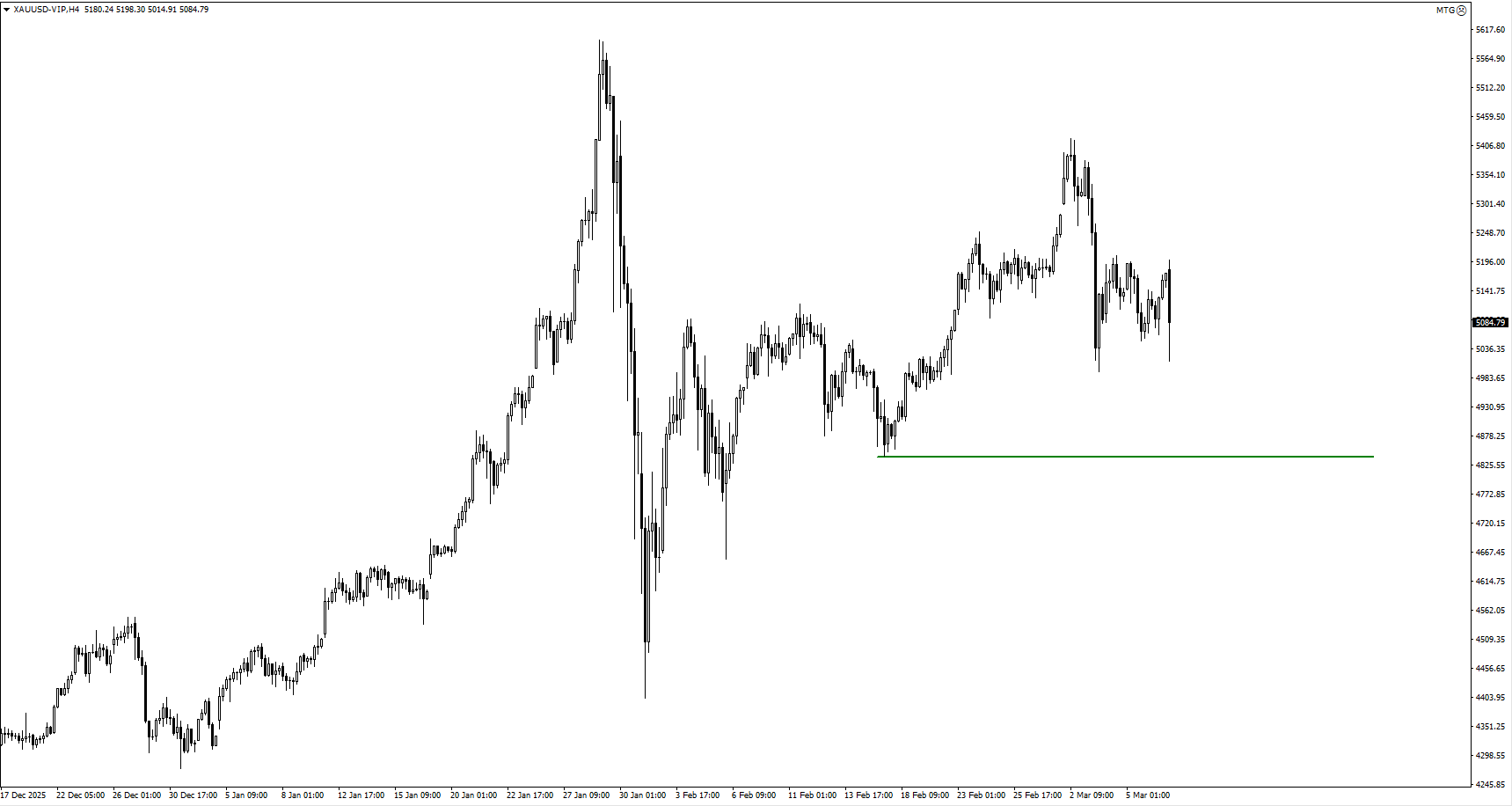
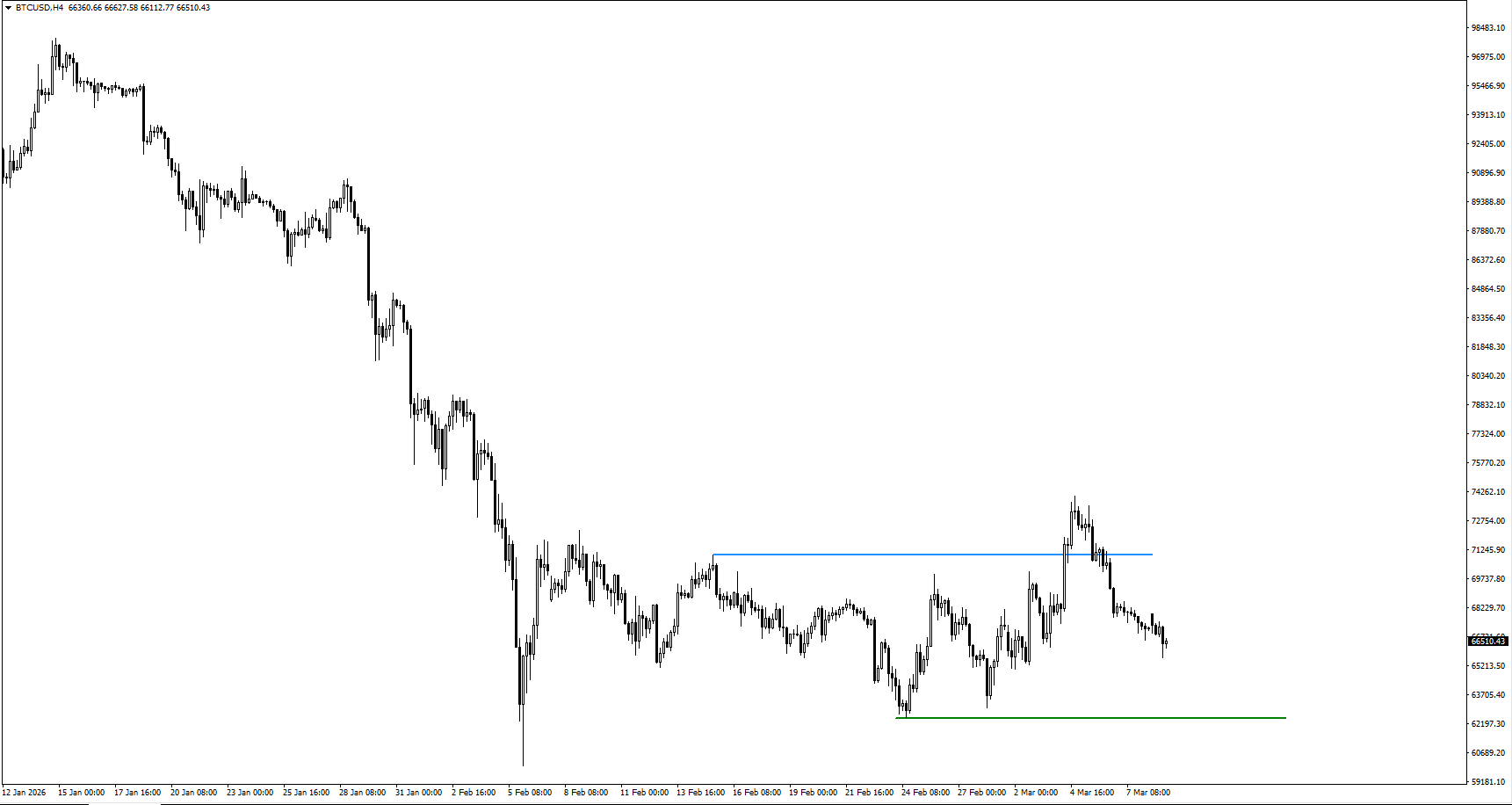
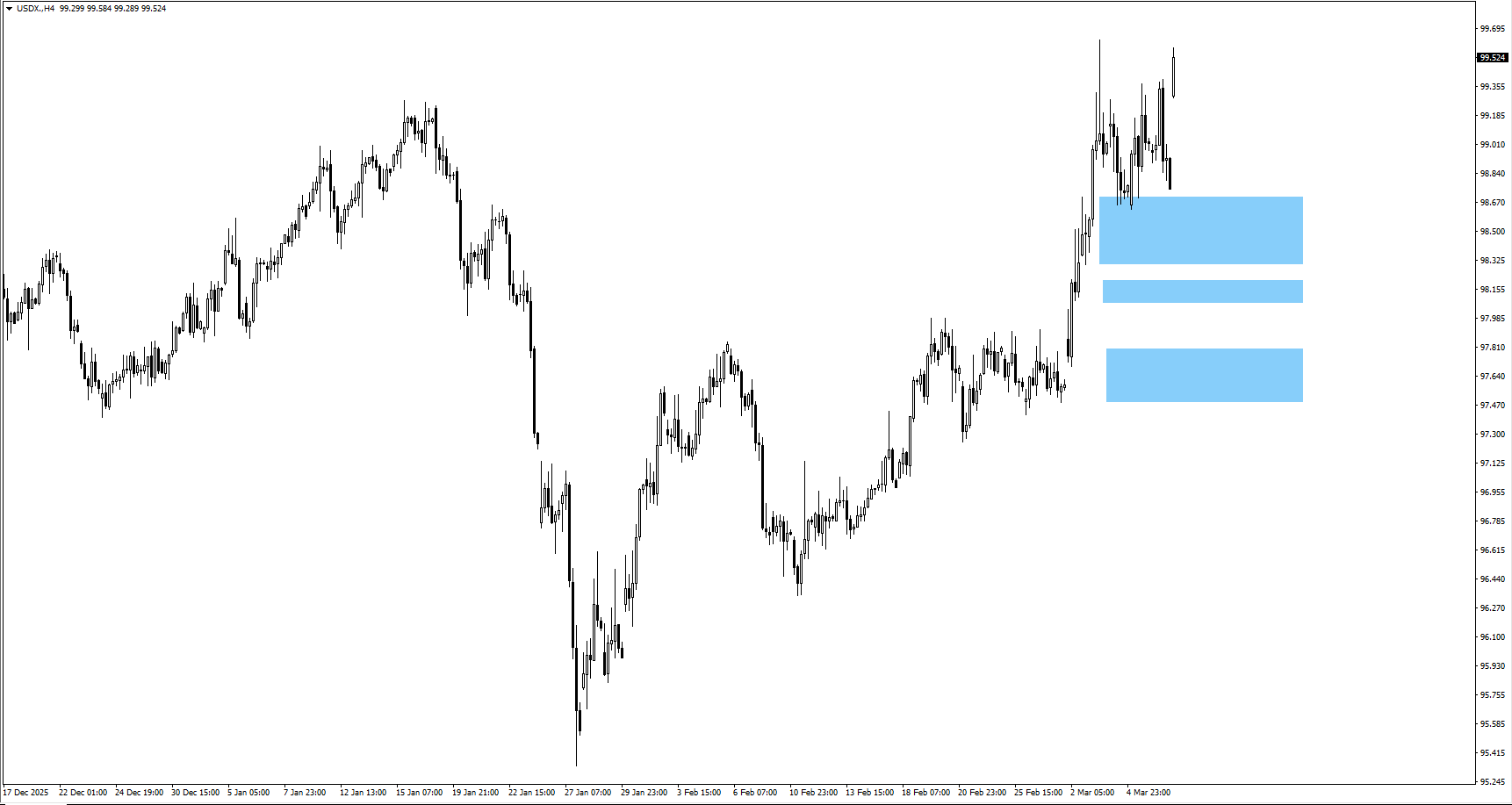
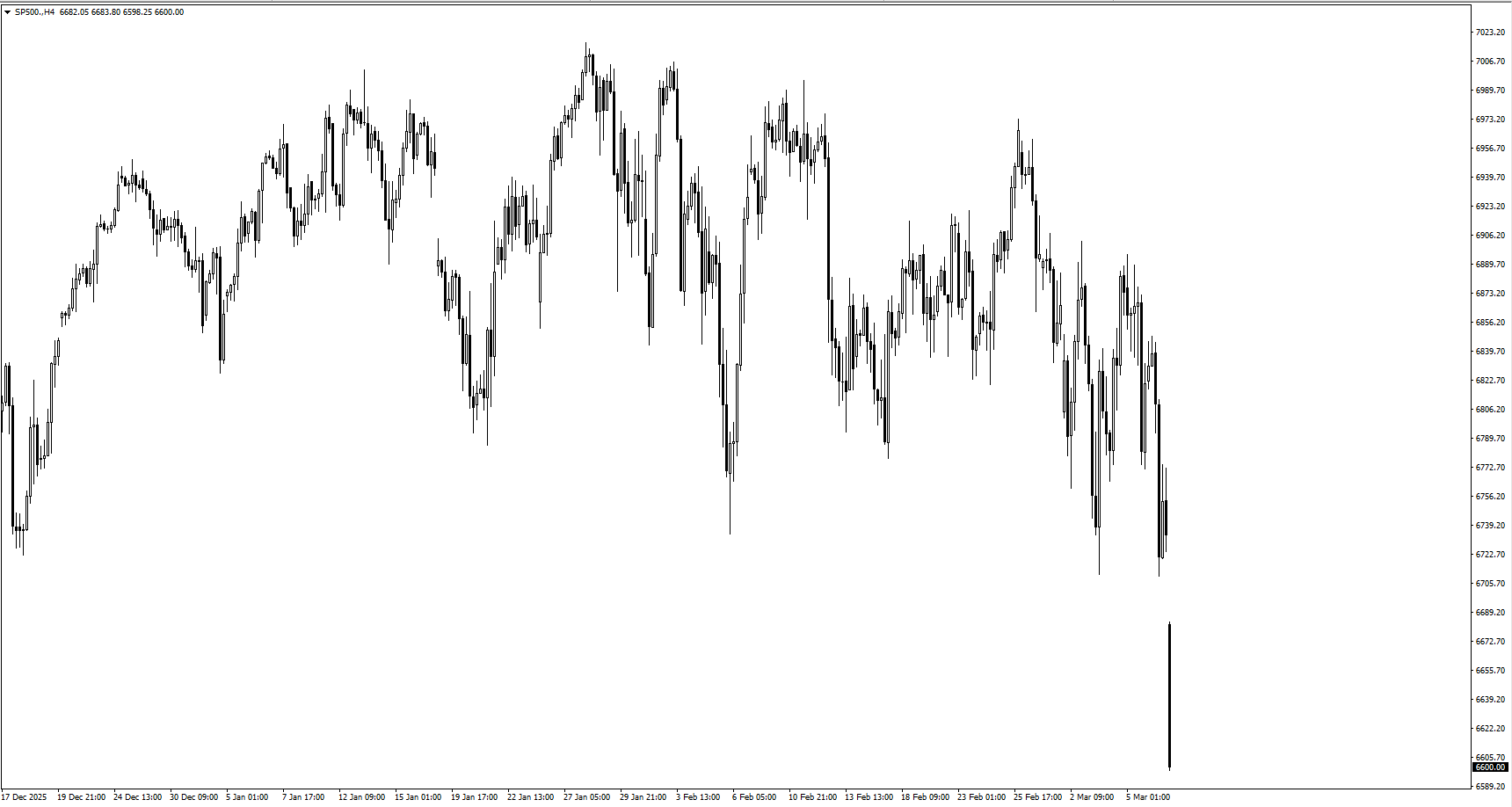
Markets are entering the week with several competing forces shaping price action. Inflation remains the central macro driver, with US CPI expected at 2.5% year on year. A stronger reading could reinforce US dollar strength and delay expectations for Federal Reserve rate cuts.
At the same time, geopolitical tensions and rising oil prices above $100 are adding risk premium to global markets. Technically, gold continues to consolidate above $4,996, Bitcoin is defending the $62,502 support level after a failed breakout above $70,969, and the US Dollar Index is testing resistance near 99.631.
These levels will likely determine the next directional move as traders react to inflation data, regulatory developments in crypto markets, and shifting global risk sentiment.
Create your live VT Markets account and start trading now.
Gold (XAUUSD) is trading in consolidation while markets wait for US CPI data. The key level to watch is $4,996, which currently acts as support. If gold falls below this level, sellers may begin targeting $4,842, where stronger downside momentum could develop. Inflation data and US dollar strength will likely determine the next major move.
The Digital Asset Market Clarity Act aims to define regulatory oversight between the US Securities and Exchange Commission (SEC) and the Commodity Futures Trading Commission (CFTC). However, the bill has stalled in the Senate due to disagreements around stablecoin rewards and banking oversight. This regulatory uncertainty is contributing to volatility in Bitcoin and broader digital asset markets.
Bitcoin briefly broke above the $70,969 swing high, but the move quickly reversed as traders took profit and risk sentiment weakened. The market is now defending $62,502, which has become the most important support level in the current structure. A sustained break below this level could open the door for a deeper correction.
US Consumer Price Index (CPI) data measures inflation and strongly influences expectations for Federal Reserve interest rate decisions. If inflation comes in higher than expected, the Federal Reserve may delay rate cuts, which could strengthen the US dollar and pressure assets such as gold and Bitcoin.
The US Dollar Index recently gapped higher, with traders watching 99.631 as the immediate resistance level. If the dollar breaks above this level, it could move toward 100.321, strengthening the currency further and potentially weighing on commodities such as gold.
Start trading now – Click here to create your real VT Markets account
Start trading now – Click here to create your real VT Markets account

Discussion around the future direction of United States monetary policy has intensified following Donald Trump’s nomination of Kevin Warsh to lead the Federal Reserve, subject to vetting and confirmation by the United States Senate.
While the confirmation has yet to conclude, the nomination itself has already begun to influence market expectations.
Warsh represents a markedly different monetary philosophy from the current Federal Reserve leadership, and his prospective appointment carries meaningful implications for the US dollar, Bitcoin, and global liquidity conditions.
The key issue is not whether money printing will occur. The debate centres on timing, scale, and mechanism.
Markets are attempting to determine whether the next policy regime would continue smoothing every downturn with incremental liquidity or tolerate stress and volatility before deploying decisive intervention. That distinction alone reshapes asset pricing across currencies, bonds, equities, and digital assets.
Kevin Warsh served as a Federal Reserve Governor from 2006 to 2011, placing him directly inside the institution during the Global Financial Crisis. Since leaving the Fed, his commentary has been unusually consistent and direct.
Warsh has repeatedly argued that financial markets have become too reliant on central bank support and that injecting liquidity too early prevents prices from adjusting naturally, while encouraging investors to take excessive risks because they expect to be rescued.
Warsh does not oppose lower interest rates. In fact, he has acknowledged that lower rates are structurally necessary given high debt levels and housing affordability pressures. What he opposes is continuous money creation.
In his framework, markets should be allowed to fall, leverage should be exposed, and only then should policymakers intervene to prevent systemic collapse rather than protect asset prices.
This approach stands in contrast to the policy style associated with Jerome Powell, under whom the Federal Reserve has favoured gradual easing, repeated balance sheet expansion, and rapid deployment of liquidity facilities to dampen volatility.
Both approaches ultimately result in monetary expansion. The difference lies in how pain is distributed. One spreads support consistently through a downturn. The other withholds support until stress forces repricing, then intervenes forcefully.
For Bitcoin and crypto markets, this distinction is critical. Crypto assets are highly sensitive to liquidity conditions. A period of deliberate tightening without immediate intervention is negative for Bitcoin in the short term, as liquidity withdrawal compresses speculative positioning and reduces marginal demand.
For gold and silver, timing is less important than certainty. Whether money printing happens early or late, the long-term erosion of purchasing power remains inevitable. The US dollar may strengthen temporarily during periods of liquidity restraint, but once large-scale printing resumes, real purchasing power erosion follows.
This raises an important political question. If Trump prioritises growth, housing recovery, and domestic manufacturing, why would he favour a figure perceived as liquidity restrictive?
The answer likely lies in the gap between stated philosophy and crisis behaviour. Warsh’s public posture emphasises discipline, but his record during 2008 shows a willingness to support aggressive intervention when systemic stability is threatened.
Credibility calms markets, but policy intentions often change once real pressure hits the system.
If Warsh were to shape monetary policy, the most significant shift would likely be a move away from permanent quantitative easing and toward balance sheet neutral liquidity tools.
Ongoing bond purchases would be curtailed, not because liquidity is unnecessary, but because continuous Federal Reserve balance sheet expansion distorts incentives and crowds out private balance sheets.
Instead, the Standing Repo Facility would play a central role. This facility allows banks to borrow cash overnight against high-quality collateral. By removing effective caps on this facility, banks would gain access to emergency liquidity without the Federal Reserve directly injecting money into markets.
This distinction is important. Quantitative easing functions as a stimulant that encourages risk-taking and asset inflation. The repo facility functions as oxygen that is invisible until necessary and deployed only when stress emerges.
Under this framework, banks use their own balance sheets to distribute liquidity. The Federal Reserve shrinks in footprint while the financial system remains operational. Banks earn spreads, Wall Street benefits, and liquidity flows without constant headline money printing.
This framework, however, depends critically on changes to the Supplementary Leverage Ratio. The SLR was introduced after the 2008 crisis as a blunt but effective safeguard.
It requires banks to hold capital against the total size of their balance sheet regardless of asset composition. The rule exists because pre crisis models underestimated risk by relying on ratings that ultimately failed.
The current problem is that the SLR treats US Treasuries as capital-intensive assets. Since 2020, the US government has issued trillions of dollars in new debt. Banks are the primary buyers of this debt, yet under SLR constraints, every additional Treasury purchase requires raising expensive capital.
As a result, banks have gradually reduced their participation in Treasury absorption, contributing to fragility in the bond market.
Both Warsh and Scott Bessent have criticised this framework. Their argument is that Treasuries are the safest assets in the financial system and should not constrain balance sheets in the same way as risky loans. Removing or relaxing SLR would free bank capacity, restore Treasury demand, and stabilise market plumbing.
This approach carries risk. Removing leverage constraints fixes liquidity but removes the safety belt. Banks could accumulate government debt using high leverage. If inflation resurges and bond prices fall, bank capital could erode rapidly, threatening systemic stability not because assets are toxic, but because leverage is unconstrained.
From a political perspective, the strategy may still be rational.
Trump cannot sustain an economic narrative if mortgage rates remain elevated. Housing affordability is more politically powerful than equity market performance. Sacrificing stock market momentum to restore bond market pricing discipline could ultimately lower long-term yields and mortgage rates.
Ending quantitative easing suppresses equities but restores price discovery in the bond market. If inflation expectations decline, mortgage rates eventually follow. This trade-off prioritises long-term economic stability over short-term asset inflation.
Looking toward 2026, a two-phase scenario emerges.
In the first phase, liquidity discipline dominates if Warsh executes as outlined. Quantitative tightening or restrained liquidity provision strengthens the US dollar, pressures exports, and triggers a correction in risk assets, potentially concentrated around the middle of the year.
In the second phase, the narrative shifts. A rejection of central bank digital currency frameworks combined with a formal acknowledgement of Bitcoin’s role reframes crypto not as a speculative asset but as part of the financial architecture.
Under this framework, Bitcoin benefits not from excess liquidity but from institutional legitimacy and strategic relevance.
Ultimately, the outcome depends less on ideology than on execution. One possibility is that Trump genuinely risks Wall Street to revive Main Street, betting on artificial intelligence-driven productivity, housing recovery, and manufacturing through lower rates.
Another possibility is more tactical. Warsh is appointed for credibility to calm bond markets. Rate cuts are demanded. If markets break and pressure mounts, Warsh, who has supported large-scale emergency intervention before, reverses course and prints aggressively.
In both scenarios, the conclusion converges. Short-term liquidity discipline may strengthen the US dollar and suppress Bitcoin. Long-term monetary reality still favours scarce assets. The path may be volatile, but the destination remains unchanged.
Start trading now – Click here to create your real VT Markets account
Start trading now – Click here to create your real VT Markets account
Start trading now – Click here to create your real VT Markets account
Start trading now – Click here to create your real VT Markets account
Hello there 👋
 On hold
Hello there 👋
Scan the QR code with your smartphone to start a chat with us, or click here.
Don’t have the Telegram App or Desktop installed? Use Web Telegram instead.








