Back

Secure Profits, Minimize Losses: The Forex Trader’s Risk Management Guide 

Welcome to the world of Forex trading, a dynamic marketplace where currencies are bought and sold. This market offers incredible potential for profit, but it’s crucial to understand and manage the risks that come with it. 

A knight in the armour
source: The Writing Train

Read more about the nature of risks and emotional discipline techniques in our previous article. In this guide, we’ll explore practical risk management strategies to help non-professional traders like you navigate the Forex market and make informed trading decisions. 

Stop Loss and Take Profit Orders 

In the fascinating world of Forex trading, mastering risk management isn’t just a good practice—it’s a game-changer. Let’s talk about two powerful allies in this domain: stop loss and take profit orders

These tools are like your trading buddies, keeping you safe from sudden market changes and helping you stay on track. For anyone starting out in Forex and wanting to succeed, knowing how to use these tools is really important. 

Stop Loss Orders 

A stop loss order is a protective tool used in Forex trading to minimise potential losses by automatically closing a trade when the market moves against your position. It serves as a buffer against unexpected market shifts, providing traders with a predefined exit strategy to limit their downside. 
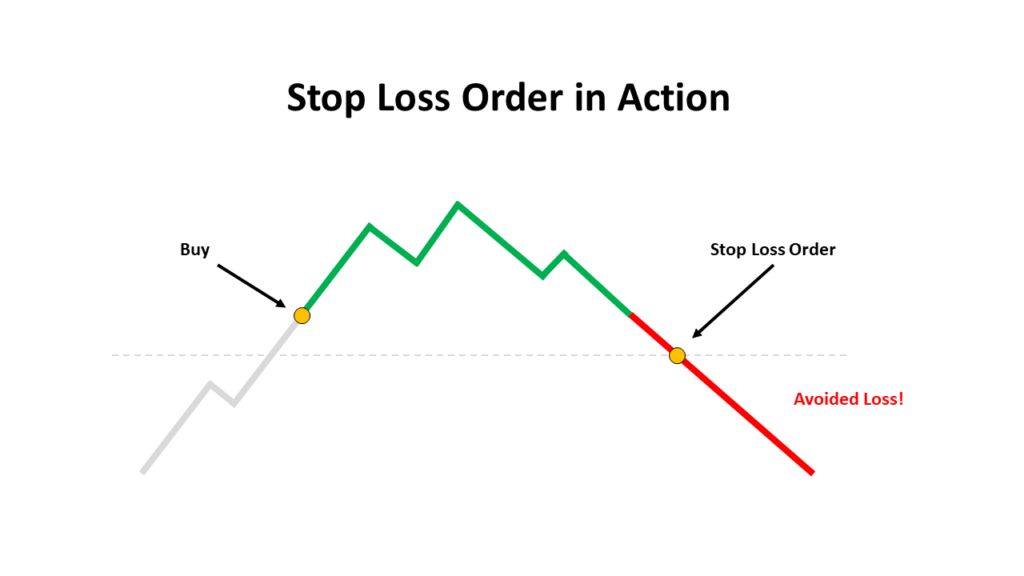
Let’s say you enter a trade to buy EUR/USD at 1.2000. You set a stop loss order at 1.1950. If the market price drops and reaches 1.1950, your trade will automatically close, limiting your loss to 50 pips. 

Take Profit Orders 

A take profit order is a predefined price level at which you choose to close a portion or the entire trade to secure profits. This structured approach enables you to lock in gains, maintaining discipline in your trading strategy by closing the trade at a predetermined profit level and ensuring you secure profits before the market potentially reverses. 
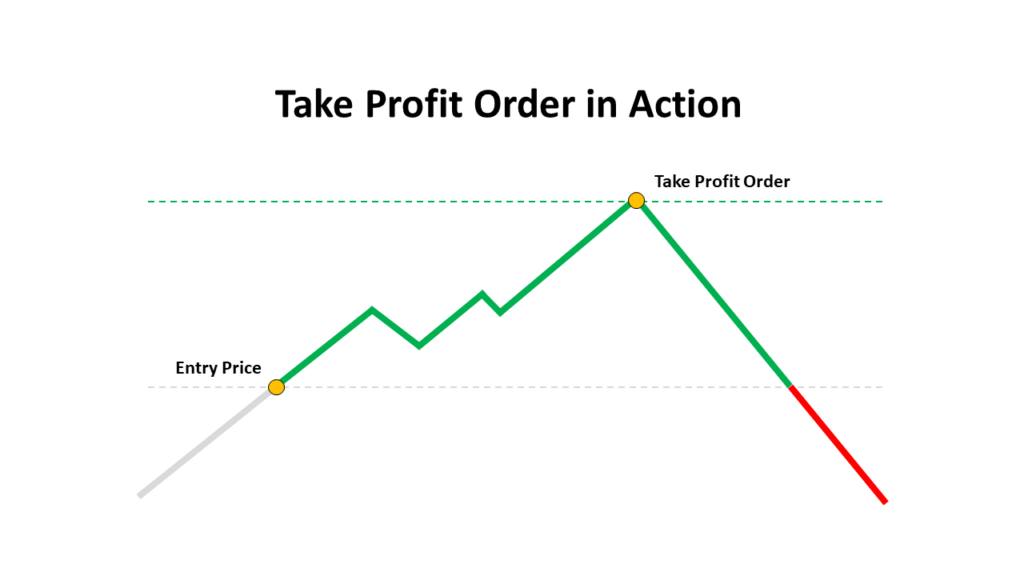
Continuing with the EUR/USD trade, if you set a take profit order at 1.2050, and the market price reaches this level, your trade will automatically close, securing a profit of 50 pips. 

Setting Realistic Levels 

When setting stop loss and take profit levels, consider a comprehensive analysis of the market, historical price data, and your risk appetite. It’s akin to planning your bike ride route based on your fitness level and preferences. Assess the market conditions, recent trends, and your trading goals to determine optimal levels. 

Risk-Reward Ratio 

The risk-reward ratio is a fundamental metric used in trading to measure the potential profit in relation to the potential loss for a specific trade. 

Maintaining an advantageous risk-reward ratio is paramount, ensuring that the potential reward significantly outweighs the potential risk. This balance is key to bolstering the overall profitability of your trades. 

The risk-reward ratio is calculated by dividing the potential profit by the potential loss for a trade: 

Risk-Reward Ratio = Potential Profit / Potential Loss 

Let’s say you are willing to risk $100 on a trade in the hopes of making a potential profit of $300. In this scenario, your risk-reward ratio would be 1:3. This implies that for every $1 you risk, your potential reward is $3. 

A favorable risk-reward ratio helps you assess whether a trade is worth pursuing. For instance, a ratio of 1:3 indicates that you are aiming for a reward three times greater than your risk. This can guide your trade decisions and contribute to a more successful trading strategy over time. 

Diversification 

Diversification, in the context of Forex trading, means spreading your investments across various currency pairs or assets. This approach is aimed at reducing risk and promoting a more balanced investment portfolio. 

Diversification offers a twofold advantage. Firstly, it helps to mitigate the impact of a downturn in a single currency pair. Secondly, it ensures your portfolio is not overly reliant on one particular asset, providing stability in varying market conditions. 

source: Real Simple

Picture diversification like building a well-rounded meal. Just as you’d include a mix of proteins, vegetables, and grains for a balanced diet, diversifying your investment portfolio involves including different currency pairs to create a balanced financial “meal.” This strategic approach aims to minimise the overall risk and maximise potential returns. 

By spreading your trades across different currency pairs, you avoid overconcentration in a single pair. Think of it as not putting all your eggs in one basket. This way, if one currency pair experiences an adverse movement, it won’t drastically impact your entire portfolio, allowing for more consistent and sustainable trading outcomes. 

Using Economic Calendars 

Economic calendars are valuable tools that offer crucial information about upcoming economic events and indicators that could impact the financial markets. 

Leveraging the data from economic calendars allows traders to make informed decisions and adjust their trading strategy in anticipation of significant market movements driven by economic events. 

Imagine you’re planning a cross-country road trip. Before you hit the road, you’d naturally check the traffic conditions, right? Similarly, in trading, economic calendars like the one provided by VT Markets serve as your traffic report for the Forex market. 
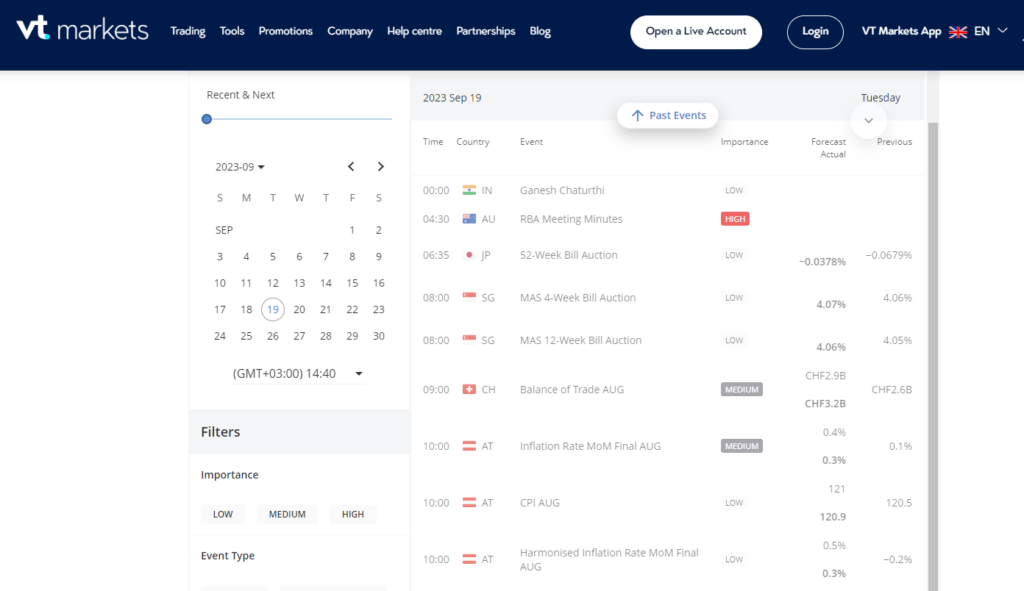
Economic Calendar by VT Markets

They provide advanced knowledge about economic events, helping you navigate the market more effectively. By considering the economic calendar data, you can make informed decisions about when to enter or exit trades, thereby reducing the risk of being caught off-guard by unexpected market volatility. 

Demo Trading 

A demo trading account is a simulated trading environment that allows you to practice trading using virtual funds. The primary purpose of a demo account is to familiarise yourself with the mechanics of the market and the trading platform without risking your actual capital. 

Demo trading offers a multitude of benefits. Firstly, it provides a risk-free environment for refining your risk management skills. Secondly, it allows you to experiment with different trading strategies, helping you identify what works best for you. Lastly, it can boost your confidence as you witness your virtual trades succeeding, offering a valuable learning experience. 

A demo account with VT Markets offers traders a completely risk-free opportunity to hone their skills and test strategies before engaging in live trading. With virtual funds at your disposal, you can gain valuable hands-on experience in a secure environment. To open your demo account with VT Markets and embark on your risk-free trading journey, simply tap on this link: Open Demo Account with VT Markets

Risk Management Tools 

Risk management tools, including position sizing calculators, play a crucial role in the trading world. These tools aid in determining appropriate position sizes for your trades based on various factors like risk tolerance, account balance, and trade specifics. 

Making the most of these tools involves using them strategically to align your position sizes with your risk tolerance and trading objectives. It’s about finding the right balance that allows for potential profits while mitigating potential losses. 

A position size calculator helps traders decide the appropriate trade size considering factors like risk tolerance, account balance, and stop-loss levels. By inputting these parameters, it ensures trades align with their risk strategy, facilitating informed and responsible trading decisions. 

In conclusion, mastering risk management in Forex trading is a journey that requires discipline, knowledge, and continuous learning. By understanding and implementing the strategies outlined in this guide, you’ll be better equipped to navigate the Forex market while preserving and growing your investment. Always remember, successful trading is not about avoiding risks entirely, but managing them wisely to achieve your financial goals. Happy trading! 

Summary: 
  • Key risk management strategies for non-professional traders include stop loss and take profit orders. 
  • Stop loss orders automatically close a trade to limit losses when the market moves against the position. Take profit orders allow traders to secure profits by closing a trade at a predetermined price level. 
  • The risk-reward ratio is crucial, ensuring that potential rewards outweigh potential risks in a trade. 
  • Diversification involves spreading investments across various currency pairs to reduce risk and create a balanced portfolio. 
  • Economic calendars provide information about upcoming economic events and can help traders make informed decisions. 
  • Demo trading allows practicing trading without risking real capital, helping traders refine skills and test strategies. 
  • Risk management tools, including position size calculators, help align trade sizes with risk tolerance and objectives. 
The anatomy of a bubble: How economic booms turn to busts 

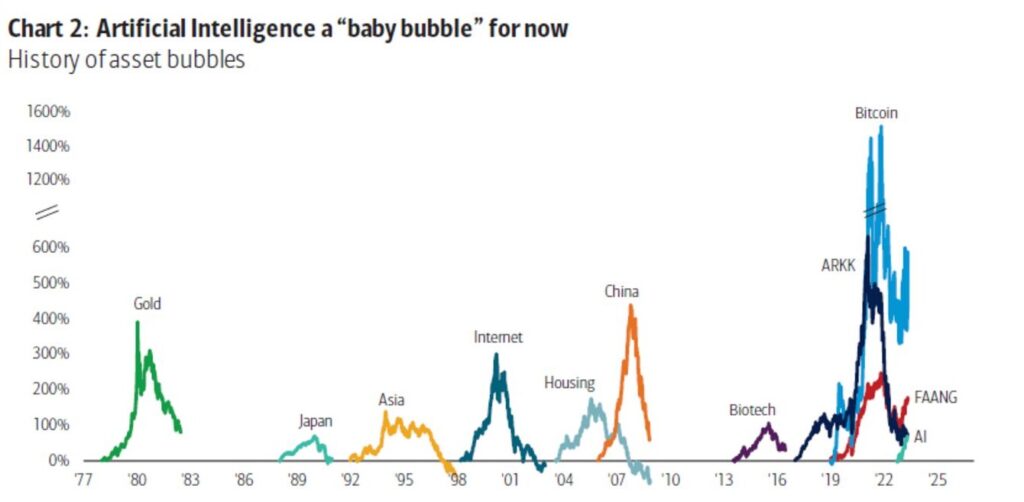
Picture yourself back in the late ’90s, a time when the Internet was just beginning to change the world. Investors were caught in a whirlwind of excitement, dreaming of fortunes to be made. Fast forward to today, and a new sensation is sweeping the investment world: Artificial Intelligence, or AI. 

Much like the dot-com bubble that saw investors captivated by the internet’s promises, AI is now stealing the spotlight. What’s fuelling this AI frenzy? Innovations like ChatGPT, OpenAI’s chatbot, and the skyrocketing stocks of tech giants like Meta Platforms and Nvidia. 

AI Bubble perspective
source: BofA Global Investment Strategy

But amidst this whirlwind of excitement, there’s a whisper of caution. Some are saying that AI might be in a “baby bubble.” Bank of America is raising the alarm, warning that if the Federal Reserve makes a particular mistake, this AI investment craze could burst in a fashion reminiscent of the dot-com era. 

Just as the dot-com bubble rode high on easy money and came crashing down with rate hikes, the same script could unfold with AI. 

In this context, the importance of understanding economic bubbles becomes crystal clear. Whether in technology, housing, or any other sector, these bubbles all share common traits: enthusiasm, speculation, and the potential for boom or bust. 

Recognising the signs and knowing when to tread carefully is essential for investors looking to ride these waves of excitement while safeguarding their financial future. 

AI Bubble
source: BofA Global Investment Strategy

Understanding Financial Bubbles 

Financial bubbles are like wild surges of optimism and enthusiasm that flood through different parts of the economy, sending prices soaring to dizzying heights. These bubbles can pop up in various domains, from real estate and the stock market to cryptocurrencies. To understand them better, let’s explore some real-life examples: 

Tulip Mania Bubble: In 17th-century Netherlands, “Tulip Mania” saw tulip bulbs become a craze. People believed these bulbs could be lucrative investments. Tulip prices skyrocketed to extraordinary levels, with some bulbs costing as much as houses. When the bubble burst, tulip bulb prices plummeted, leaving investors with worthless assets and financial losses. 

The Dot-Com Bubble: Think back to the late 1990s when the internet was all the rage. Companies with “dot-com” in their names saw their stock prices skyrocket, driven by wild speculation. But eventually, the bubble burst, and many of these companies went bankrupt. 

A financial bubble occurs when the prices of assets, such as real estate or stocks, significantly exceed their intrinsic or fundamental value due to excessive buying and investor enthusiasm. It’s a bit like a party that gets too crowded. 

However, these bubbles are not sustainable, and they eventually burst, leading to a sharp decline in asset prices, which can result in financial challenges for overexposed investors. 

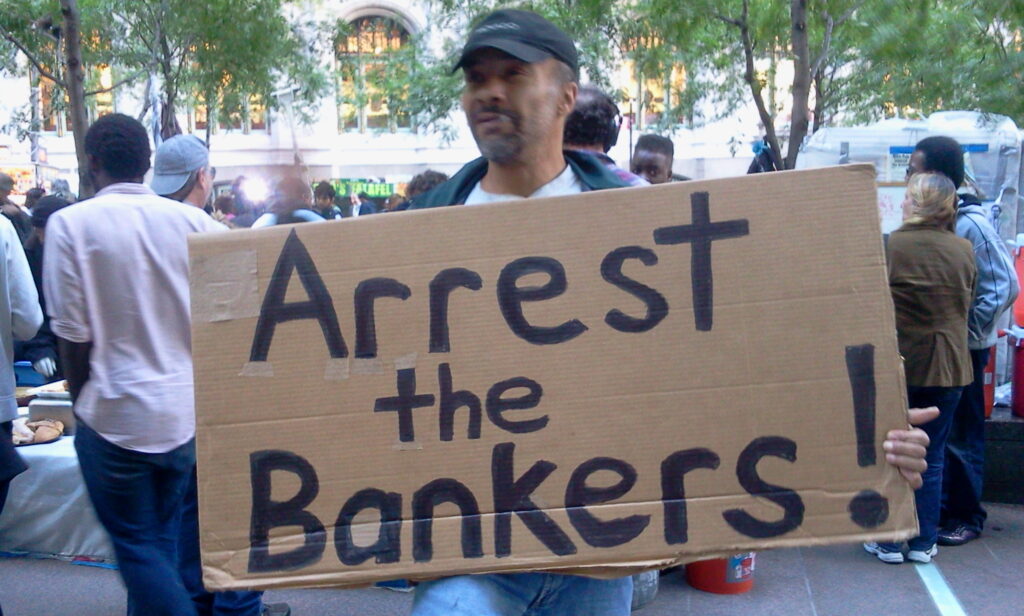
2008 Housing Bubble
source: Internet Archive

Why Do Bubbles Burst? 

Imagine a party that’s been going on for hours, and everyone’s having a great time. Eventually, though, it has to end. Economic bubbles are similar—they can’t last indefinitely. 

Let’s explore the triggers that can bring these bubbles to a dramatic close: 

  • Interest Rate Hikes: Central banks, like the Federal Reserve in the United States, have a significant role in managing the economy. They can raise interest rates to control inflation or cool down an overheated economy. When interest rates go up, borrowing money becomes more expensive. 
  • Regulatory Changes: Governments and financial authorities can introduce new rules and regulations that affect the behaviour of investors and market participants. These changes can have a profound impact on the dynamics of a bubble. 
  • Investor Panic: Just like partygoers leaving when the fun is over, investors can rush for the exit when they doubt a bubble’s sustainability. This mass selling floods the market, driving prices down. Fear and uncertainty worsen the selling pressure, creating a self-perpetuating cycle as falling prices trigger margin calls, forcing leveraged investors to sell even more. 

These triggers can burst a bubble, and the aftermath can vary from one bubble to another. Some bubbles deflate gradually, while others can burst suddenly and dramatically, leading to significant financial repercussions for those caught in the frenzy. 

The Lifecycle of Financial Bubbles 

Let’s follow the financial bubble evolution from the very beginning to the end. Its understanding is essential for investors looking to protect themselves from the downside of phenomenon. 

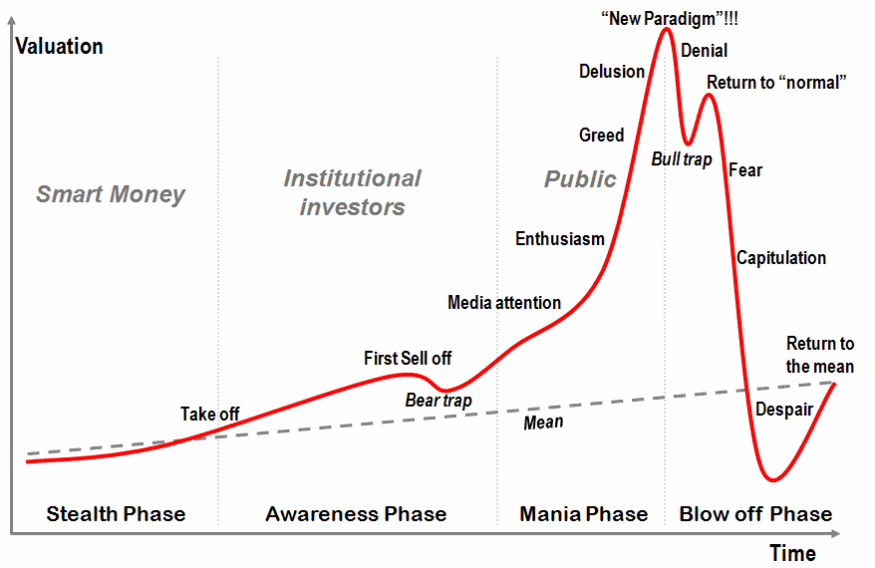
Lifecycle of a Bubble
source: Wikipedia

The mechanism of a financial bubble typically follows a pattern: 

1. Initial Optimism: It begins with a positive economic or financial development that sparks optimism among investors. This could be a new technology, a booming industry, or favorable economic conditions. 

2. Increased Investment: As optimism grows, more investors start pouring their money into the asset class associated with the optimism. This increased demand drives up prices. 

3. Herd Mentality: As prices rise, more investors join the bandwagon, driven by the fear of missing out (FOMO). This herd mentality further inflates prices. 

4. Speculation: Speculators, who are not necessarily interested in the fundamentals of the asset but are looking to profit from price increases, become a significant force in the market. Their activity amplifies price movements. 

5. Media Hype: Media coverage often fuels the frenzy, with positive stories and excessive optimism, attracting even more investors. 

6. Excessive Borrowing: Many investors borrow money to invest in the rising market, further increasing demand and prices. 

7. Peak Prices: Prices reach unsustainable levels, far exceeding the asset’s intrinsic value or earnings potential. 

8. Warning Signs: Some informed investors and analysts begin to voice concerns about overvaluation, but these warnings often go unheeded. 

9. Market Correction or Trigger: Something triggers a shift in sentiment or a realisation that prices are too high. It could be an economic event, a change in interest rates, or simply a collective realisation that prices are unsustainable. 

10. Sell-off: Investors rush to sell their assets to lock in profits, and panic can set in as prices rapidly decline. 

11. Bubble Bursts: The bubble bursts, and prices plummet, often causing significant financial losses for those who bought at the peak. 

12. Economic Impact: The bursting of a financial bubble can have broader economic consequences, affecting consumer confidence, investment, and financial stability. 

The specific triggers and characteristics of financial bubbles can vary, but this general mechanism highlights the key stages that typically occur during a bubble’s lifecycle. 

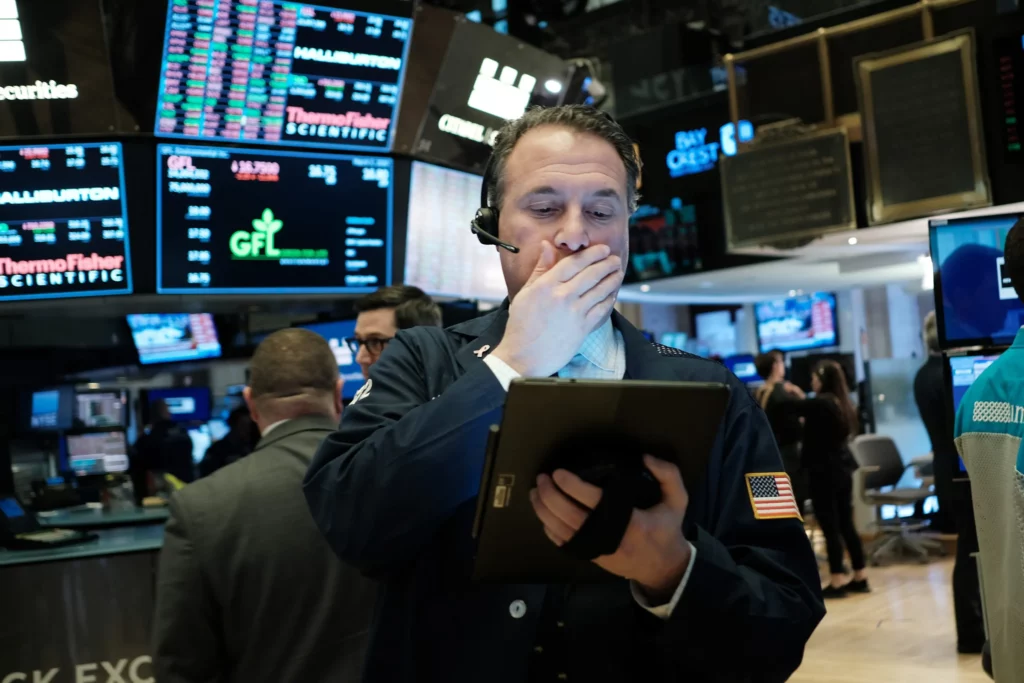
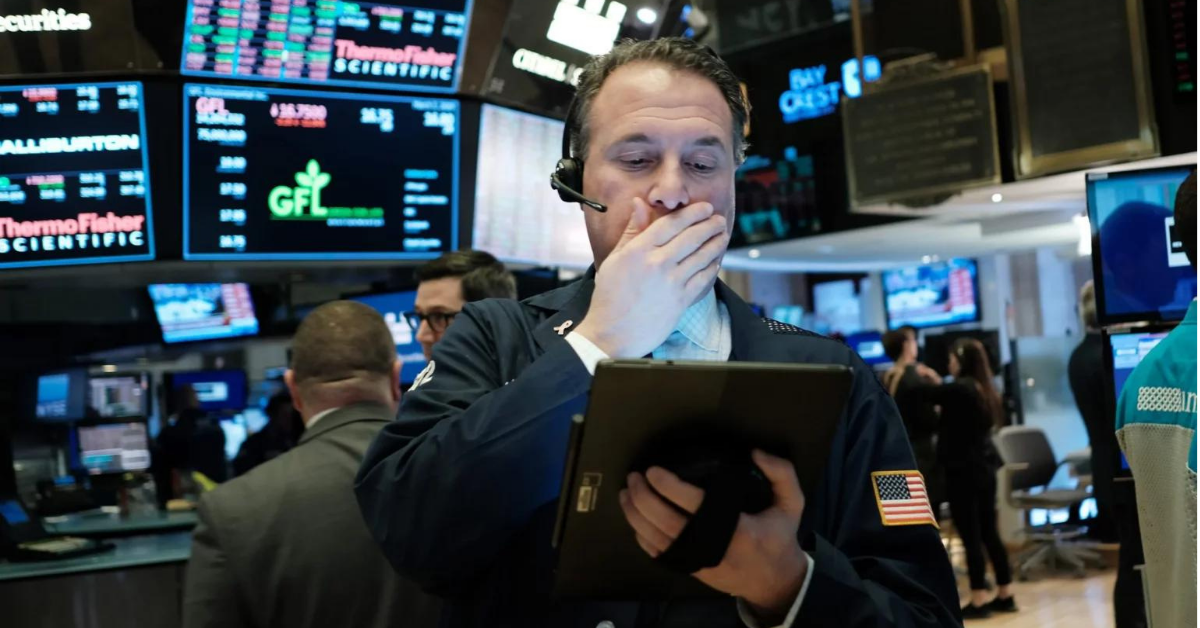
A shocked trader during the market crash
source: Fortune

The Kinds of Financial Bubbles 

Economic bubbles aren’t confined to the stock market. They can manifest in various sectors: 

Stock Market Bubbles: Dot-Com Bubble 

In the late 1990s, internet-related companies saw their stock prices skyrocket. Investors believed the internet would change everything, and they poured money into these companies. However, when the bubble burst, many of these companies went bankrupt, and investors lost fortunes. It’s like buying a ticket for a hot new band without realising they might be a one-hit wonder. 

Real Estate Bubbles: 2008 Housing Bubble 

In the mid-2000s, the U.S. housing market was on fire. People were buying homes at inflated prices, often with mortgages they couldn’t afford. When the bubble burst, home values plummeted, leading to the 2008 financial crisis. It’s like signing up for a mortgage you can’t handle because everyone else is doing it. 

Commodity Bubbles: Mid-2000s Oil Price Spike 

Remember when gas prices skyrocketed seemingly overnight? That was a commodity bubble. People believed oil prices would keep rising, so they bought and hoarded oil. When reality set in, prices crashed, leaving many feeling like they had overpaid at the pump. 

Credit Bubbles: Subprime Mortgage Crisis (2007-2008) 

Banks were lending to people who couldn’t afford to buy homes. These risky loans were bundled together and sold as investments. When people couldn’t pay their mortgages, it triggered a crisis that rippled through the entire financial system. It’s like borrowing money you know you can never repay. 

In conclusion, understanding economic bubbles is like knowing when it’s time to leave the party before it’s too late. These waves of enthusiasm can be thrilling, but they can also lead to financial disaster. So, stay informed reading VT Markets’ Daily market analysis, be cautious, and don’t let the excitement of a bubble carry you away. It’s a skill that can help protect your financial future. 

Stock Market Resilience Amidst Rising Bond Yields and Economic Challenges in September

On Monday, the S&P 500, Nasdaq Composite, and Dow Jones Industrial Average rebounded, breaking a four-day losing streak, with the 10-year Treasury yield reaching its highest level since 2007. Dow Inc. led gains, spurred by an upgrade from JPMorgan, while energy sectors thrived, notably with Amazon’s $4 billion investment in an AI firm. Despite September’s challenges, including signals of higher interest rates and a strengthening U.S. dollar, the energy sector emerged as the top performer. Investors kept a close watch on developments in Washington, with Moody’s warning of the “credit negative” impact of a government shutdown. In the currency market, the U.S. dollar strengthened, while the euro struggled due to bearish sentiments from central banks and weaker German economic data. Other currency pairs experienced fluctuations driven by rising Treasury yields and central bank policies. The outlook remained uncertain, with a keen eye on upcoming economic data and concerns about a potential government shutdown.

Stock Market Updates

In the stock market update, the S&P 500 showed resilience as it gained 0.4% to reach 4,337.44, marking a positive start to the final week of September. The Nasdaq Composite also closed higher, rising by 0.45% to 13,271.32, while the Dow Jones Industrial Average added 43.04 points (0.13%) to close at 34,006.88. This positive momentum broke a four-day losing streak for all three major indices. Notably, the 10-year Treasury yield increased by 10 basis points to 4.542%, its highest level since 2007. Despite the bond market movements, stocks demonstrated strength, with Dow Inc. as the top-performing stock, surging 1.7% following an upgrade from JPMorgan. Energy led the gains in eight of the 11 S&P 500 sectors, with Amazon announcing plans to invest up to $4 billion in an artificial intelligence firm, Anthropic. Investors cited technical support at the 4,300 level and anticipation of rejoining the artificial intelligence (AI) boom trade as factors supporting the market’s robust performance.

Throughout September, the stock market faced challenges, including signals from the Federal Reserve about prolonged higher interest rates, resulting in increased bond yields. These challenges also included a rally in crude oil prices and a strengthening U.S. dollar during the seasonally weaker trading month. The energy sector was the top performer in September, showing a gain of over 2%. The S&P 500 declined by nearly 4% this month, potentially heading for its second consecutive losing month and its most challenging month since December. The Nasdaq Composite, primarily composed of growth stocks, experienced a 5.4% decline in September, marking its largest monthly loss since December. In contrast, the Dow experienced a more modest 2% decline this month. Investors remained watchful of developments related to a budget resolution in Washington, as lawmakers exhibited limited progress on a deal to fund the U.S. government for the remainder of the fiscal year. Moody’s Investors Service warned that a government shutdown would have a “credit negative” impact on the U.S. economy.

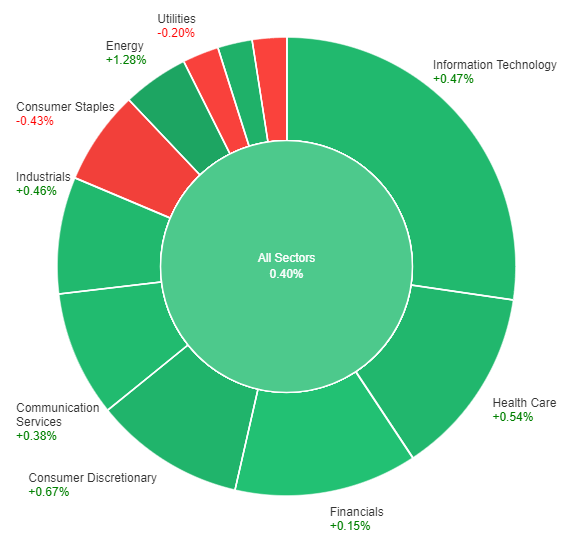
Data by Bloomberg

On Monday, across all sectors, the market saw a positive gain of 0.40%. The energy sector experienced the most significant increase with a rise of 1.28%, followed by materials at 0.80%, consumer discretionary at 0.67%, and health care at 0.54%. Information technology and industrial sectors gained 0.47% and 0.46%, respectively, while communication services and financials saw more modest gains of 0.38% and 0.15%. However, the real estate and utilities sectors declined, with decreases of -0.17% and -0.20%, respectively. Consumer staples experienced the most significant decline at -0.43%.

Currency Market Updates

The currency market updates reveal a strengthening US dollar, which reached new highs in 2023 as the dollar index rose by 0.32%. This surge was partly driven by the Federal Reserve’s commitment to maintain higher interest rates for an extended period. On the other side, the euro struggled as EUR/USD fell by 0.46%, breaking key support levels. This decline was influenced by bearish sentiment from both the Fed and the European Central Bank (ECB) and weaker German economic data. The outlook for the eurozone suggests limited potential for rate hikes in the current cycle. Additionally, the US dollar’s strong performance was driven by favorable economic data and concerns about yield spreads between US Treasuries and German Bunds.

In the broader market, USD/JPY saw a 0.28% increase, mainly due to rising Treasury yields. Meanwhile, the Bank of Japan (BoJ) appeared to maintain its ultra-loose monetary policy, though it expressed concerns about FX moves and intervention risks. Sterling fell by 0.2% as the Bank of England (BoE) put an end to its consecutive rate hikes, following the hawkish stance of the Federal Reserve. The USD/CNH pair rose by 0.23%, influenced by concerns about the property sector and increased bond yields globally. The upcoming release of US consumer confidence and housing data will be closely watched, along with concerns about a potential US government shutdown, which Moody’s has warned could have a “credit negative” impact.

Picks of the Day Analysis
EUR/USD (4 Hours)

EUR/USD Hits Lowest Since March Amidst Euro’s Decline and ECB’s Inflation Control Efforts

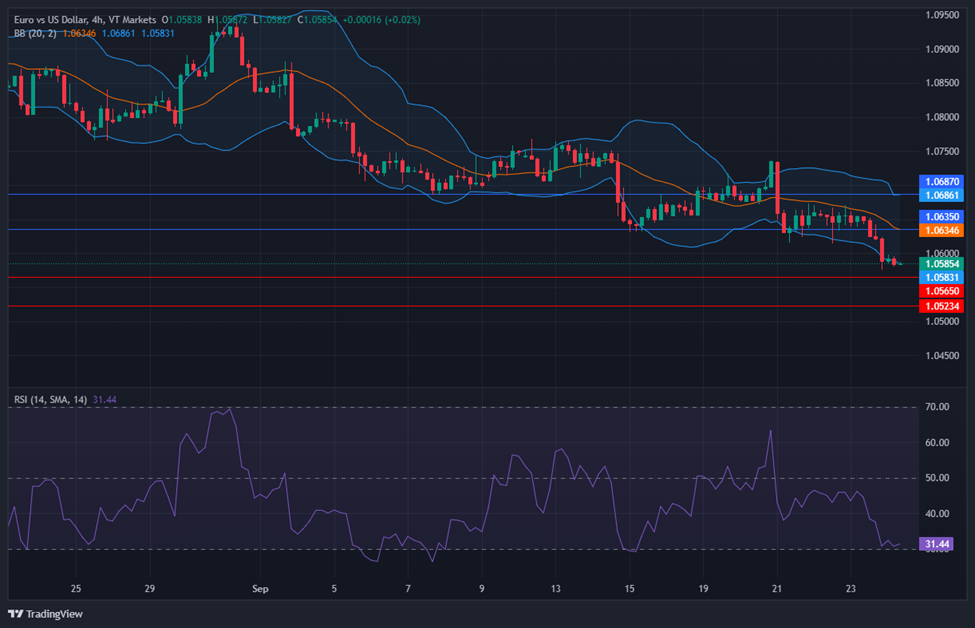
The EUR/USD pair broke below 1.0630, plummeting to 1.0574, marking its lowest point since March. This decline represents the Euro’s fifth consecutive daily loss, primarily due to a strong US Dollar and European Central Bank (ECB) President Christine Lagarde’s commitment to maintaining elevated interest rates for inflation control. Meanwhile, the US Dollar Index reached levels above 106.00, supported by higher US Treasury yields, reaching its highest point since March. US economic data released showed mixed results, with attention turning to housing prices, consumer confidence, and New Home Sales in the upcoming schedule.

Chart EURUSD by TradingView

According to technical analysis, the EUR/USD moved in high volatility on Monday and was able to reach the lower band of the Bollinger Bands. This movement suggests the possibility of further lower movement. The Relative Strength Index (RSI) is currently at 31, indicating that the EUR/USD is in bearish sentiment.

Resistance: 1.0635, 1.0687

Support: 1.0565, 1.0523

XAU/USD (4 Hours)

XAU/USD Faces Selling Pressure Above $1,900 Amid Stronger USD and Rising Treasury Yields

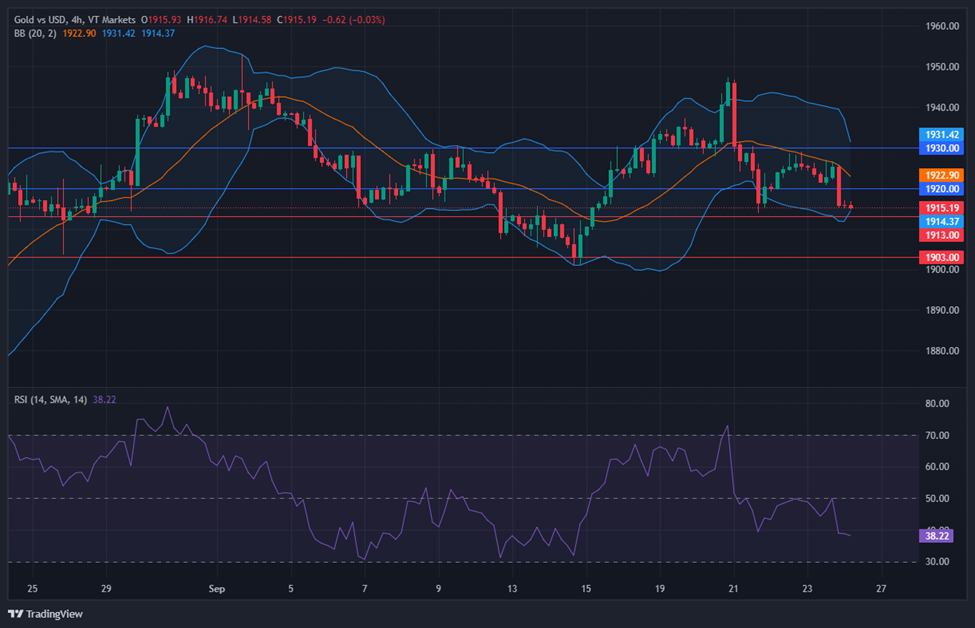
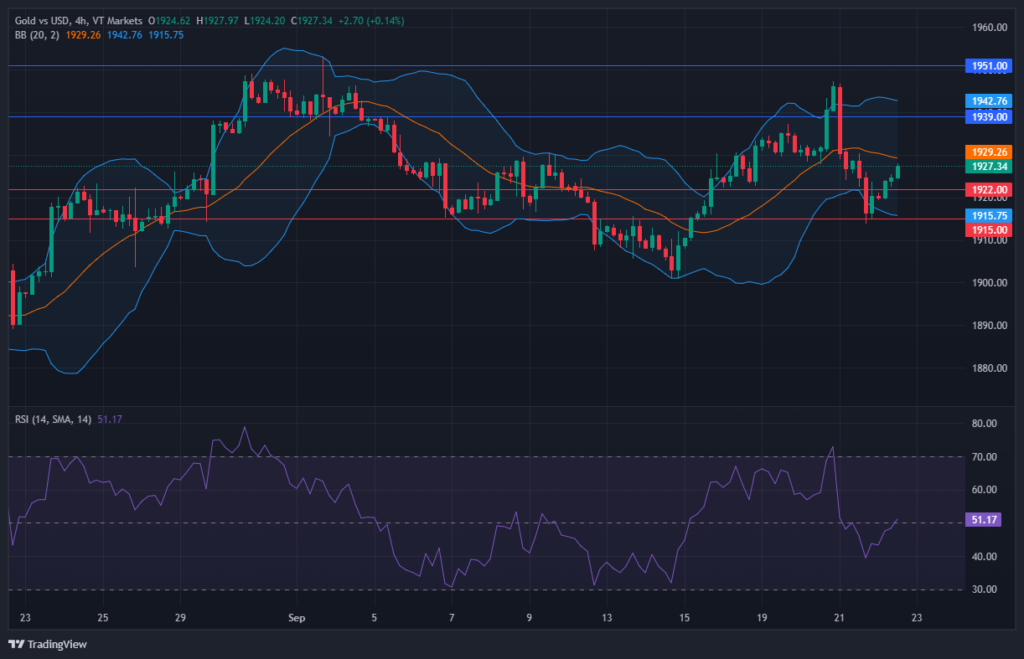
Gold is struggling to maintain its value above $1,900 as it faces selling pressure during the early Asian session. The stronger US Dollar, with the Dollar Index reaching its highest level since November, and rising Treasury yields have contributed to this downward pressure. Technical indicators favor a bearish outlook for XAU/USD, with support at $1,915 and a potential downtrend if it breaks lower. The recent strength of the US Dollar, supported by a strong US economy and elevated Treasury yields, continues to impact the price of Gold as market participants await key US consumer inflation data.

Chart XAUUSD by TradingView

According to technical analysis, XAU/USD moved lower on Monday and was able to move near the lower band of the Bollinger bands. Currently, the price is moving slightly above the lower band showing a potential of moving back higher. The Relative Strength Index (RSI) is currently at 38, indicating that the XAU/USD pair is in a neutral stance with a slight bear bias.

Resistance: $1,920, $1,930

Support: $1,913, $1,903

Economic Data
CurrencyDataTime (GMT + 8)Forecast
USDCB Consumer Confidence22:00105.5

创新方案超越想象 VT Markets将在迪拜外汇博览会大秀品牌实力

9月26日至27日,一年一度的迪拜外汇博览会将在迪拜世界贸易中心隆重举行,众多来自世界各地的行业专家、银行机构、顶尖经纪商和投资者将汇聚于此,通过展示自身产品服务,建立互利互惠关系,同时共探行业发展和趋势。VT Markets作为该地区高度认可的经纪商,将带着创新性交易解决方案亮相本次展会。

开局惊艳 底气源于硬实力

2023年VT Markets一踏入中东北非市场就锋芒毕露,凭借能够满足交易者多样化需求的卓越服务和顶尖平台,迅速斩获《阿联酋最佳外汇平台》、《最佳多资产经纪商》两项重磅大奖,牢牢确立了在该地区的行业地位。

硬核实力加行业认可,VT Markets对于平台在中东北非市场的发展也底气十足。在本次博览会上,VT Markets将展现创新性交易方案和独家促销活动,在满足交易者投资需求的同时,挖掘更多具有潜力价值的产品和服务,为交易者提供更多选择。此外,VT Markets也期待借助这个平台与更多优秀的同业者探讨交流,互促共进,为在线金融交易的发展创新贡献力量。

勇担责任 锻造品牌软实力

一直以来,VT Markets都在努力践行领跑企业应有的责任和担当,如今,VT Markets在企业社会责任 (CSR) 方面也取得了重大进展,正式与南非非营利组织 Cotlands 达成合作。Cotlands专注于儿童早期发展,在为弱势幼儿提供服务方面拥有87年丰富经验,其愿景是通过增加以游戏为基础的早期学习机会,让儿童能够茁壮成长,这与VT Markets的社会责任目标是完美契合的,通过这次合作,VT markets期冀能够充分发挥平台力量,为弱势群体的成长壮大提供助力。

想体验VT Markets优质的产品和服务,想了解VT Markets如何落实对交易者的承诺和社会的责任?9月26日至27日迪拜外汇博览会38号展位,欢迎一探究竟。

创新方案 超越想象 VT Markets将在迪拜外汇博览会大秀品牌实力

9月26日至27日,一年一度的迪拜外汇博览会将在迪拜世界贸易中心隆重举行,众多来自世界各地的行业专家、银行机构、顶尖经纪商和投资者将汇聚于此,通过展示自身产品服务,建立互利互惠关系,同时共探行业发展和趋势。VT Markets作为该地区高度认可的经纪商,将带着创新性交易解决方案亮相本次展会。。

开局惊艳 底气源于硬实力

2023年VT Markets一踏入中东北非市场就锋芒毕露,凭借能够满足交易者多样化需求的卓越服务和顶尖平台,迅速斩获《阿联酋最佳外汇平台》、《最佳多资产经纪商》两项重磅大奖,牢牢确立了在该地区的行业地位。

硬核实力加行业认可,VT Markets对于平台在中东北非市场的发展也底气十足。在本次博览会上,VT Markets将展现创新性交易方案和独家促销活动,在满足交易者投资需求的同时,挖掘更多具有潜力价值的产品和服务,为交易者提供更多选择。此外,VT Markets也期待借助这个平台与更多优秀的同业者探讨交流,互促共进,为在线金融交易的发展创新贡献力量。

勇担责任 锻造品牌软实力

一直以来,VT Markets都在努力践行领跑企业应有的责任和担当,如今,VT Markets在企业社会责任 (CSR) 方面也取得了重大进展,正式与南非非营利组织 Cotlands 达成合作。Cotlands专注于儿童早期发展,在为弱势幼儿提供服务方面拥有87年丰富经验,其愿景是通过增加以游戏为基础的早期学习机会,让儿童能够茁壮成长,这与VT Markets的社会责任目标是完美契合的,通过这次合作,VT markets期冀能够充分发挥平台力量,为弱势群体的成长壮大提供助力。

想体验VT Markets优质的产品和服务,想了解VT Markets如何落实对交易者的承诺和社会的责任?9月26日至27日迪拜外汇博览会38号展位,欢迎一探究竟。

Decoding the euro: Global impact and future scenarios 

The Euro, symbolised by ‘€’, stands as a significant entity in the global economic stage. Initially conceived to enhance economic unity within Europe, its impact now stretches far beyond the confines of the European Union (EU). 

Euro, source: Pymnts

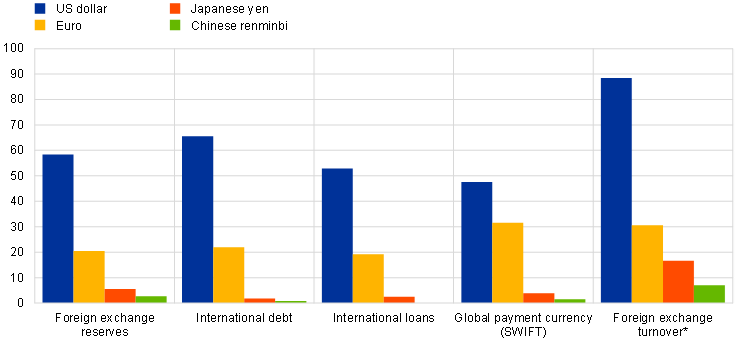
The Euro stands as the world’s second most vital currency. Its presence and influence are substantial, consistently comprising an average share of nearly 20% across various indicators of international currency usage. 

In this article, we will delve into the historical evolution of the Euro, its far-reaching implications on international trade, its revered status as a reserve currency, and its pivotal role in promoting economic stability and integration. 

Moreover, we’ll explore its sway over financial markets and its intricate role in shaping geopolitical dynamics. Looking ahead, we will adopt a forward-thinking perspective, considering potential trajectories that could define the Euro’s role on the global stage. 

Understanding these possible developments is vital, as it equips us to anticipate and adapt to the evolving dynamics of the global economy. 

A Brief Historical Journey 

The Euro’s inception and journey through time have been pivotal in shaping the economic landscape of Europe and beyond. Let’s delve into the key stages that mark this historical evolution. 

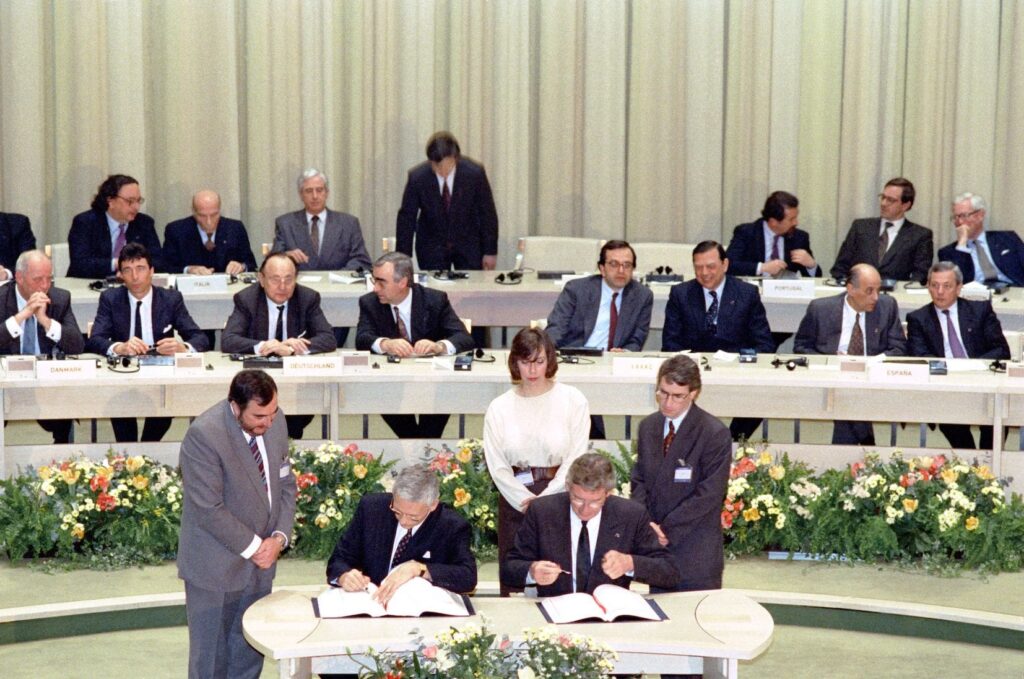
The Euro’s story begins with the signing of the Maastricht Treaty in 1992, which laid the groundwork for the Economic and Monetary Union (EMU). The treaty aimed to foster economic integration among European nations, a crucial step towards establishing a unified currency and a more tightly-knit economic community. 

Signing the of the Maastricht Treaty in 1992, source Studio Europa Maastricht:

The vision set by the Maastricht Treaty came to life on January 1, 1999, when the Euro was introduced as an electronic currency for banking and financial transactions. This virtual beginning was a steppingstone towards creating a seamless financial landscape within the Eurozone. 

Taking a leap forward, the Euro transitioned from the digital realm to the physical world on January 1, 2002, with the introduction of Euro banknotes and coins. This marked a significant milestone, underlining the successful integration of numerous European economies under a singular currency. 

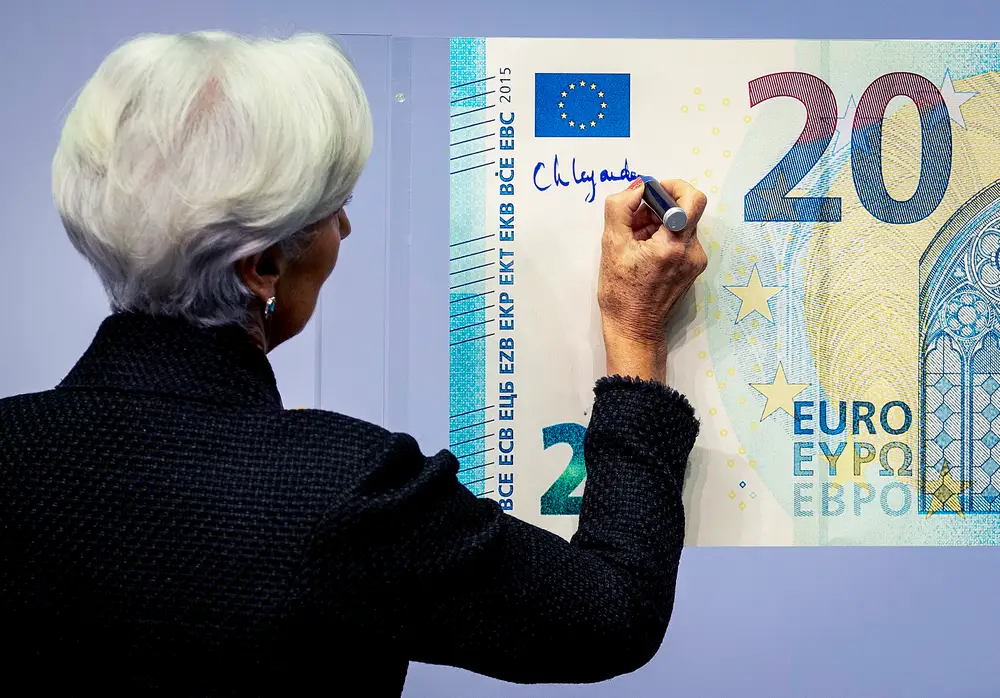
Euro banknote, source Business Insider

This historical journey showcases the deliberate and strategic steps taken to unify Europe economically and integrate its nations into a cohesive entity. The evolution from a treaty to a tangible currency demonstrates the vision and determination of the European nations to embrace a united economic destiny. 

The Euro’s Impact on Global Trade 

The Euro’s impact on international trade is significant and diverse. Presently, the Eurozone represents approximately 15% of global trade, a figure comparable to the United States, albeit slightly lower compared to when the Euro was first introduced. This decline in the Euro’s share is attributed to China’s rise rather than a decrease in extra-Euro area trade, which has remained robust. 

The role of Euro in in the international monetary system 2022, source European Central Bank

As the official currency of the Eurozone, encompassing 19 EU countries, the Euro removes the necessity for frequent currency conversions. This simplification streamlines cross-border trade, reducing transaction costs and facilitating financial transactions within the Eurozone. 

The Euro’s stability, wide acceptance, and low volatility make it a popular choice for trade beyond the Eurozone, simplifying trade with non-Eurozone entities. Utilising the Euro for international trade reduces risks associated with fluctuating exchange rates, ensuring stable transactional value and a secure cross-border trade environment. 

The Euro as a Crucial Reserve Currency 

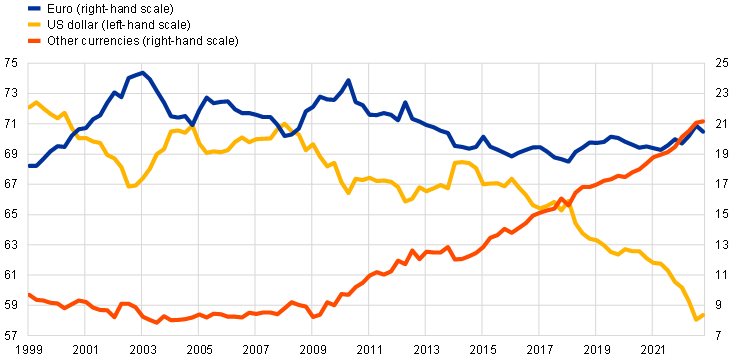
The Euro’s status as a reserve currency underlines its stability and significance in the global financial landscape. In 2022, its share in global foreign exchange reserves increased to 20.5%, emphasising its importance. 

Shares of the Euro, US dollar and other currencies in global official holdings of foreign exchange reserves 2022, source European Central Bank

Being on par with major currencies like the US dollar, Japanese yen, and British pound sterling, the Euro maintains a prominent position as a reserve currency. 

Global central banks and institutions hold significant reserves in Euros, providing liquidity and stability during economic fluctuations or financial crises, thus bolstering the global financial ecosystem. Furthermore, the Euro’s role as a reserve currency influences exchange rates and monetary policies worldwide, impacting trade and financial market dynamics. 

The Euro’s Role in Economic Stability and Integration 

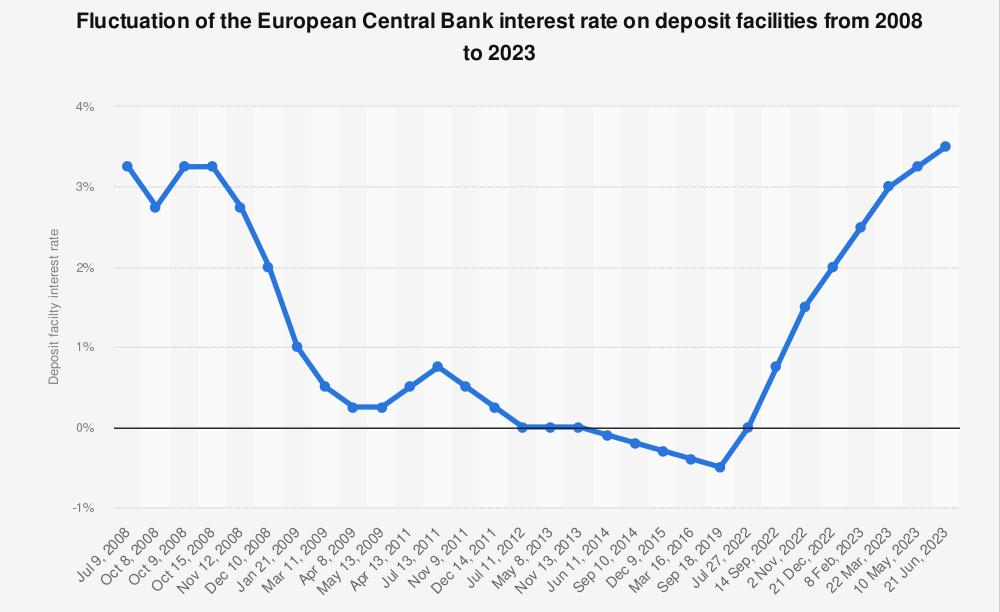
The Euro’s impact on economic stability and integration in the Eurozone is fundamental. Under the guidance of the European Central Bank (ECB), the Eurozone maintains a unified monetary policy. This coordination ensures a consistent approach to managing inflation, interest rates, and money supply, promoting economic stability and predictability. 

European interest rate by ECB, source Statista

The Eurozone strengthens stability by encouraging fiscal discipline among member nations. The Stability and Growth Pact establishes fiscal guidelines, promoting responsible budgeting, debt control, and prudent financial management. This disciplined approach bolsters confidence in the Euro and supports long-term economic stability. 

By establishing a single currency, the Eurozone mitigates exchange rate risks and uncertainties associated with multiple national currencies. This stability is attractive to investors and businesses, encouraging investments and fostering economic growth across the Eurozone. 

Euro’s Impact on Global Financial Markets 

The Euro significantly influences global financial markets. Its exchange rate fluctuations against major currencies – US dollar, Japanese yen, and British pound sterling – impact trade, investment, and capital flows. 

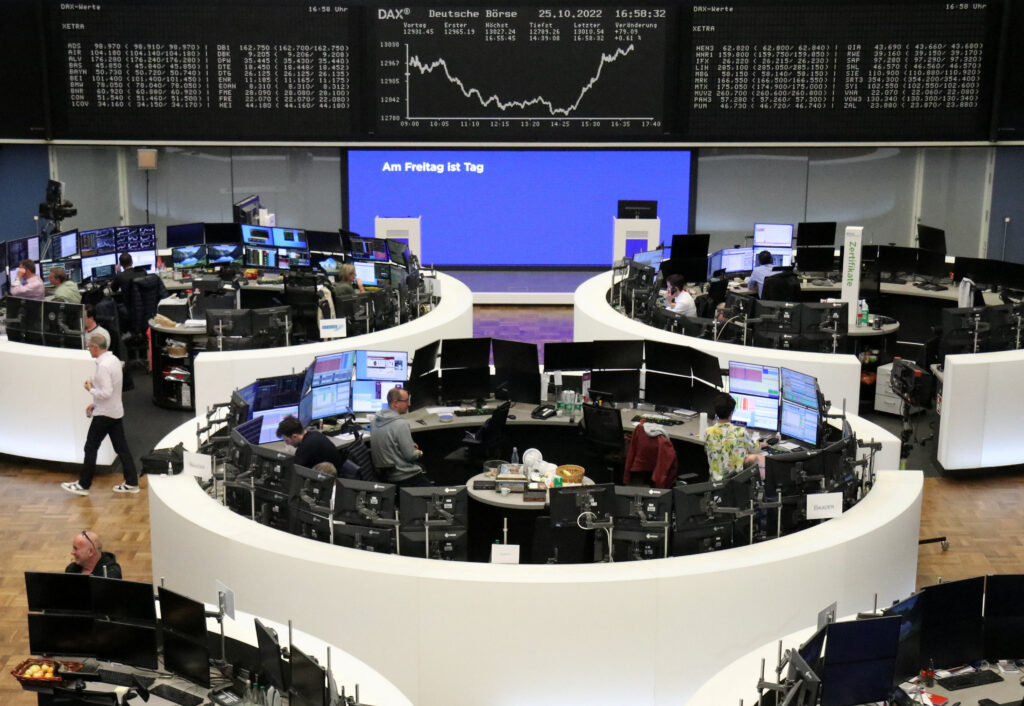
Frankfurt Stock, source: Reuters

The European Central Bank (ECB) is central to Eurozone monetary policy, making decisions on interest rates, quantitative easing, and other monetary tools that directly affect the Euro’s value and, consequently, financial markets. 

Economic indicators from Eurozone countries, covering GDP growth, unemployment rates, inflation, and manufacturing data, offer crucial insights into the region’s economic health, shaping market sentiment and impacting traders’ perceptions of the Euro’s strength. 

The Euro’s movements have a ripple effect across various asset classes, impacting commodities, equities, and bonds. This correlation is vital for investors aiming to manage portfolios and diversify their investments effectively. 

Euro and Geopolitical Dynamics 

The Euro’s role extends beyond the economic realm, exerting a significant influence on geopolitical dynamics. 

One historical example of this influence can be seen in the aftermath of the 2008 global financial crisis. The prominence and strength of the Euro bolstered the European Union’s stature on the global stage during a time of economic upheaval. This example illustrates how the Euro impacts geopolitical landscapes. 

The Euro provides the Eurozone with significant global economic leverage. Its status as a major reserve currency enhances the region’s economic influence and ability to participate in international economic decision-making. 

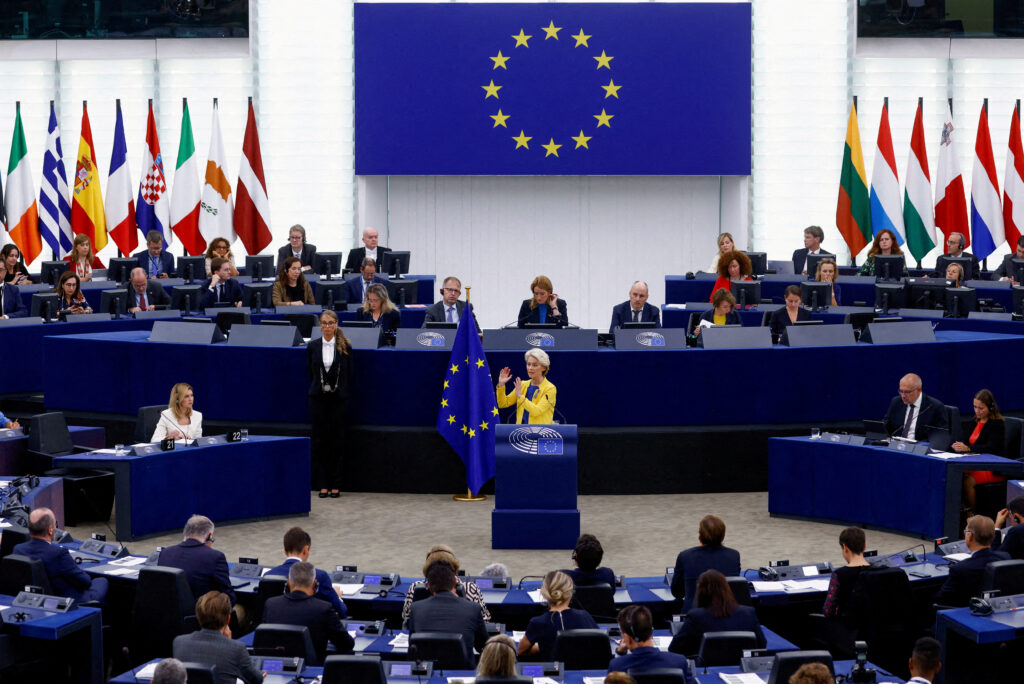
EU Parliament, source Reuters

The Euro’s significance influences diplomatic relations between the Eurozone and other nations. It shapes negotiation dynamics, trade dialogues, and strategic alignments, as the Euro’s strength impacts the bargaining power and perceived stability of the Eurozone in international interactions. 

The Euro’s prominence influences the foreign policy strategies of Eurozone countries. Economic considerations linked to the Euro often guide foreign policy decisions, aligning them with broader economic goals and priorities. 

The Future of the Euro’s Global Role 

The Euro, currently the world’s second-largest reserve currency following the US dollar, is at a turning point.  Let’s break down potential scenarios that could shape its development and influence economics, geopolitics, and institutional frameworks. 

Scenario 1: Business As Usual 

Imagine the Eurozone countries continue with their current approach. Each country independently manages its money, lacking a unified strategy. This could lead to fluctuations in how money moves in and out of the Eurozone. 

Scenario 2: Fiscal Union 

Another possibility is that Eurozone countries decide to collaborate more closely on financial matters. They establish rules to stabilise their individual economies first. However, this could pose challenges and necessitate substantial changes. While it could strengthen the Euro, it’s not guaranteed. 

Scenario 3: Minimum Model 

In this scenario, countries commit to maintaining stability domestically and not constantly assisting each other during financial hardships. They agree on adaptable plans to assist during challenging periods. This might result in a strong and stable Euro, albeit potentially less influential on a global scale. 

Scenario 4: Enhancing Attractiveness 

The concept here is to make the Euro more appealing to a global audience. This could be achieved by introducing more secure and appealing Euro-based investments. However, this could be complex, especially if certain major countries face financial difficulties, prompting significant alterations. 

Why Does It Matter? 

You might wonder about the significance of these scenarios. Understanding the future is vital because the Euro is a major player in the global financial landscape. Its influence impacts us all, albeit indirectly. 

The aim of experts and policymakers is to position the Euro as a strong and dependable currency on the global financial stage. However, determining the best path forward remains a work in progress. Striking the right balance is crucial to ensure the Euro is potent, stable, and beneficial for everyone involved. 

Ultimately, the Euro’s future role will depend on how effectively Eurozone countries collaborate and manage their finances. It’s akin to a vast jigsaw puzzle, and everyone is diligently striving to find the perfect fit. The decisions made in the coming years will shape the Euro’s trajectory, impacting economies and individuals across the globe. 

Week Ahead: Markets to Focus on US Final GDP and US CPI

As we approach the last week of September, two crucial economic indicators for the US will be released: the final Gross Domestic Product (GDP) and the Consumer Price Index (CPI).

These can strongly affect currency values, so we recommend traders to be cautious and stay informed about the latest news to make wise trading decisions this week.

Germany’s Ifo Business Climate Index (25 September 2023)

The Ifo Business Climate indicator for Germany declined for the fourth consecutive month to 85.7 in August 2023, the lowest level since October 2022.

Analysts expect a reading of 85.2 for the upcoming data, which will be released on 25 September.

Australia Consumer Price Index (27 September 2023) 

Australia’s CPI increased by 4.9% in July 2023, slowing from a 5.4% gain in June.

The next CPI data will be released on 27 September, with analysts predicting a 5.2% increase.

Germany’s Prelim Consumer Price Index (28 September 2023) 

Consumer prices in Germany rose by 0.3% month-over-month in August 2023, maintaining the same pace as in the previous two months.

The CPI data for September will be published on 28 September, with analysts predicting a 0.4% increase.

US Final Gross Domestic Product (28 September 2023) 

The US economy grew at an annualised rate of 2.1% in Q2 2023 compared to the first quarter’s expansion of 2%.

The US final GDP for Q3 2023 will be published on 28 September, with analysts predicting a 2.3% growth rate.

US Core PCE Price Index (29 September 2023) 

Core Personal Consumption Expenditures (PCE) prices in the US, which exclude food and energy, increased by 0.2% in July 2023, maintaining the same pace seen in June.

Analysts expect another 0.2% increase in the figures for August 2023, set to be released on 29 September.

Canada Gross Domestic Product (29 September 2023)

Canada’s GDP contracted by 0.2% in June 2023. 

The next GDP data will be released on 29 September, with analysts anticipating a slower growth of -0.1%.

Stocks Decline Amid Rising Treasury Yields and Government Shutdown Fears

On Thursday, stock markets witnessed a notable decline driven by mounting concerns over surging Treasury yields and the looming threat of a government shutdown. Major indexes, including the Dow Jones, S&P 500, and Nasdaq, posted significant losses for the third consecutive day, with the S&P 500 recording its worst session since March. This anxiety was exacerbated by the U.S. 10-year Treasury yield reaching its highest level since 2007 and news of the House going into recess, heightening worries of a government shutdown. The Federal Reserve’s recent announcement of maintaining interest rates but signaling potential future hikes further added to investor unease, particularly regarding prolonged higher interest rates. Tech stocks, such as Tesla and Nvidia, faced substantial declines, while FedEx stood out with strong gains. In the currency markets, the yen emerged as a safe-haven asset, gaining against major currencies amid central banks’ commitment to elevated interest rates, impacting stock markets and risk sentiment.

Stock Market Updates

Stocks experienced a significant decline on Thursday as concerns mounted over rising Treasury yields and the potential for a government shutdown. The Dow Jones Industrial Average dropped by 370.46 points, equivalent to a 1.08% decrease, closing at 34,070.42, while the S&P 500 saw a substantial slide of 1.64% to reach 4,330. The Nasdaq Composite also retreated by 1.82% to end the day at 13,223.98. These losses marked the third consecutive day of declines for these three key indexes, with the S&P 500 recording its worst session since March. Investors were increasingly anxious about the possibility of the Dow and S&P 500 closing the week down by more than 1% and 2%, respectively, while the Nasdaq faced a potential drop of over 3%. Adding to the market’s unease, the U.S. 10-year Treasury yield reached a multiyear high of 4.494%, its highest level since 2007. This surge was fueled by robust labor market data, as weekly jobless claims dropped to 201,000, significantly lower than the expected 225,000 claims, indicating continued strength in the job market. The 2-year yield also soared to 5.202%, levels not seen since 2006, further raising concerns among investors.

Market jitters were exacerbated by news that House Republican leaders had sent the chamber into recess, heightening fears that lawmakers would fail to pass a bill to prevent a government shutdown. Investors worried that such an event could negatively impact fourth-quarter GDP. These developments followed the Federal Reserve’s announcement the previous day, in which it decided to maintain interest rates at their current levels but signaled the possibility of another rate hike before the year’s end. The central bank also hinted at fewer rate cuts in the coming year, reflecting its need to keep rates elevated due to persistent inflation concerns. The clash between market expectations and the actual economic landscape raised concerns among investors, particularly with the prospect of a prolonged period of higher interest rates. Tech stocks, in particular, bore the brunt of these concerns, with companies like Tesla, Alphabet, and Nvidia experiencing declines of over 2%. However, FedEx stood out with a 4.5% gain after reporting better-than-expected earnings for its fiscal first quarter.

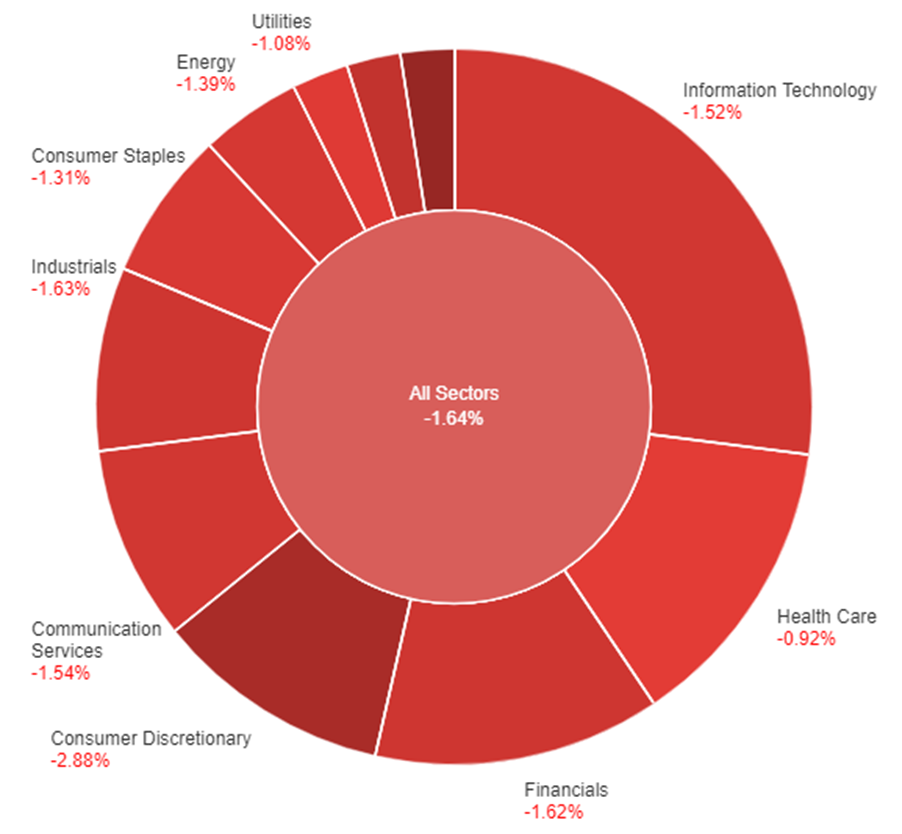
Data by Bloomberg

On Thursday, the overall market experienced a decline of -1.64%. Among the various sectors, the Health Care sector performed relatively better with a decrease of -0.92%, while the Real Estate sector saw the largest drop at -3.48%. Other notable sector declines included Consumer Discretionary (-2.88%), Materials (-2.04%), and Information Technology (-1.52%). The Financials sector also faced a notable decrease of -1.62%. In summary, it was a day of general market decline, with Real Estate and Consumer Discretionary sectors being the hardest hit.

Currency Market Updates

In the currency markets, the US dollar index saw a slight retreat after approaching its 2023 peak, primarily due to post-Federal Reserve reactions. EUR/USD remained stable, but USD/JPY and yen crosses experienced declines as risk-off sentiment prevailed. Meanwhile, the British pound weakened after the Bank of England’s somewhat surprising decision to refrain from raising interest rates for the first time since December 2021. EUR/USD dipped to 1.0617, its lowest level since March, before rebounding just above the 38.2% Fibonacci retracement level of the 2022-23 uptrend at 1.0608. This reversal was partly attributed to Treasury yields failing to sustain their recent highs following an unexpected drop in US jobless claims. Additionally, remarks from ECB policymakers about the potential need to raise rates in the upcoming meeting contributed to the market dynamics.

The standout performer of the day was the safe-haven Japanese yen, which gained 0.6% against the US dollar, 0.5% against the euro, and nearly 1% against the British pound and the Australian dollar. The overarching theme in the currency markets was the central banks’ consistent messaging about keeping interest rates at elevated levels for an extended period, leading to a retreat in stock markets and risk appetite. This shift in sentiment prompted investors to turn to the low-yielding yen for carry trades. USD/JPY initially surged to a new 2023 high at 148.465, driven by widening yield spreads between US Treasuries and Japanese government bonds, but later dipped to its lowest level in five days due to risk-off flows. Ongoing efforts by the Japanese Ministry of Finance to support the yen against excessive volatility, coupled with risk management ahead of the Bank of Japan’s meeting and Japan’s CPI report, contributed to the consolidation of the uptrend. Meanwhile, USD/CNH rose slightly as concerns about global growth, prompted by major central banks’ commitment to higher interest rates, led to a decline in Chinese stocks and weighed on copper prices. Looking ahead, the market will closely watch data events such as Japan’s August inflation report, UK retail sales, and global flash PMI readings for September on Friday.

Picks of the Day Analysis
EUR/USD (4 Hours)

EUR/USD Falls as FOMC Meeting Spurs Stronger US Dollar, Fed Signals Hawkish Stance

The EUR/USD experienced a significant decline, dropping from its weekly highs above 1.0730 to 1.0650 in response to the FOMC meeting’s outcome. The Federal Reserve unanimously maintained its interest rate target range at 5.25-5.50%, with minimal changes in the statement compared to the previous month. The Summary of Economic Projections suggests the likelihood of another rate hike by year-end, although Fed Chair Powell emphasized that the dot plot is not a firm plan. The market perceived the meeting as hawkish, causing US bond yields to surge to multi-year highs and Wall Street to turn bearish, subsequently strengthening the US Dollar. Upcoming US data releases and decisions from central banks like the Swiss National Bank and the Bank of England will remain pivotal for market dynamics.

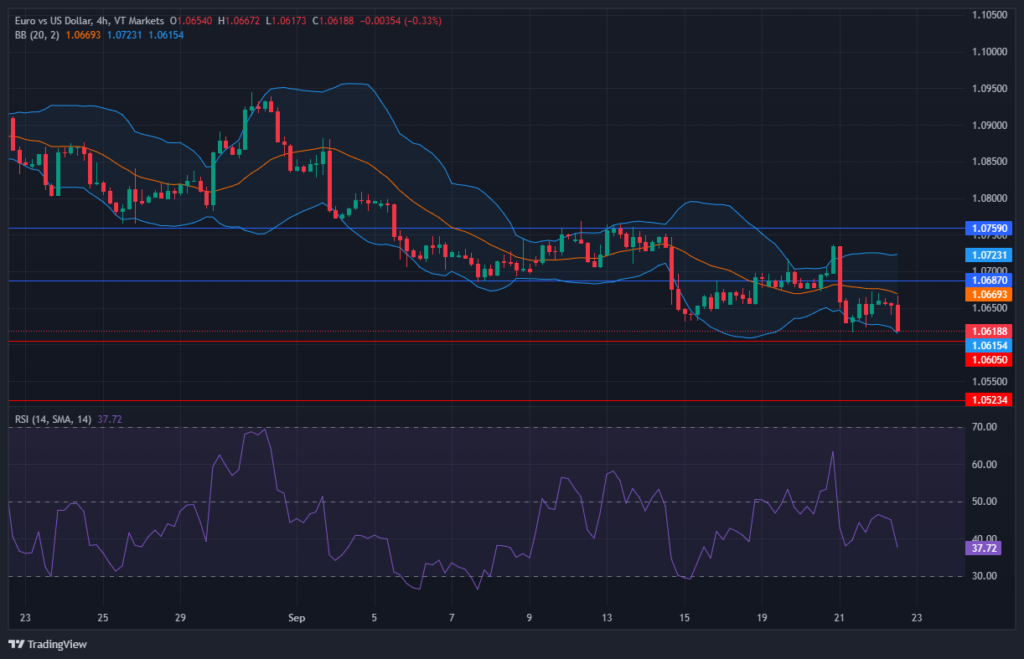
Chart EURUSD by TradingView

According to technical analysis, the EUR/USD moved in high volatility on Thursday and was able to reach the middle band but then moved back lower and reached the lower band of the Bollinger Bands. This movement suggests the possibility of further consolidation. The Relative Strength Index (RSI) is currently at 37, indicating that the EUR/USD is in a neutral stance with a slight bearish bias.

Resistance: 1.0687, 1.0759

Support: 1.0605, 1.0523

XAU/USD (4 Hours)

XAU/USD Drop Amid Fed’s Hawkish Stance on Rates

Gold prices fell for the third consecutive day, trading around $1,925 during Asia’s early trading hours on Thursday. The US Federal Reserve (The Fed) kept its benchmark interest rate at 5.5%, but projected more rate hikes in 2023, leading to pressure on precious metals. The Fed’s revision of 2024 interest rate projections, from 4.6% to 5.1%, unexpectedly boosted the US Dollar, causing the US Dollar Index (DXY) to reach a six-month high at 105.60. US bond yields also rose, with the 10-year bond hitting 4.43%, its highest since 2007. Precious metals slipped after Fed Chair Jerome Powell’s press conference, where he reiterated The Fed’s commitment to a 2% inflation target and emphasized data-driven future decisions. More US data, including Weekly Jobless Claims, the Philadelphia Fed Manufacturing Survey, and Existing Home Sales Changes, will impact markets on Thursday.

Chart XAUUSD by TradingView

According to technical analysis, XAU/USD moved in high volatility on Thursday and was able to reach the lower band and then move back higher. Currently, the price is trading between the middle and lower bands. The Relative Strength Index (RSI) is currently at 51, indicating that the XAU/USD pair is back in a neutral stance.

Resistance: $1,939, $1,951

Support: $1,922, $1,915

Economic Data
CurrencyDataTime (GMT + 8)Forecast
GBPRetail Sales14:000.5%
EURFrench Flash Manufacturing PMI15:1546.2
EURFrench Flash Services PMI15:1546.0
EURGerman Flash Manufacturing PMI15:3039.5
EURGerman Flash Services PMI15:3047.2
GBPFlash Manufacturing PMI16:3043.3
GBPFlash Manufacturing PMI16:3049.3
USDFlash Manufacturing PMI21:4548.2
USDFlash Manufacturing PMI21:4550.7

服务器升级维护通知 – 2023年09月21日

尊敬的用户:

您好! VT Markets 致力于为客户提供更快速且稳定的交易环境,我们将于周末进行服务器 (MT4/MT5) 升级维护。

维护时段:
2023 年 09 月 23 日 (星期六) 07:00 至 12:00

上述时段采用 GMT+8

维护期间请您务必留意下列事项:

1. 服务器报价将会暂停,客户将无法建立新仓位或是关闭既有持仓。

2. 维护前后的市场价格可能发生跳空,在跳空范围内的挂单或止损/止盈设置将在维护结束后的市场价格成交。

3. 具体维护完毕与开盘时间请依据MT4/MT5软件为准。

望您谅解因此次升级维护为您所带来的不便,我们将继续为您提供更优质的服务。

如您有任何疑问,我们的团队将十分乐意为您解答。
请留言或发邮件至 [email protected] 或联系在线客服。

开局即惊艳 VT Markets进军中东北非获重磅认可

与中东北非这片充满生命力的土地一样,在金融投资领域,这里也蕴藏了无限探索机遇,随着市场准入的增加、技术的进步以及人们对多元化投资的渴望,外汇和差价合约 (CFD) 交易的需求也在爆发性增长。正是在这样的背景下,全球创新型经纪商平台VT Markets发出“进军”号角,正式布局中东北非(MENA),再一次以实际行动履行品牌的目标和承诺。

进军“蓝海” 先进平台与新阵地的碰撞

回顾以往,能够进入中东北非市场的通常是机构投资者或高净值客户,如今得益于互联网的普及和在线交易平台的出现,这个市场的访问率也在不断提高,成为外汇和差价合约交易在该地区日益普及的主要驱动力之一。现在,中东和北非地区的零售交易者可以轻松参与全球金融市场,这一转变不仅使交易趋向民主化,更为寻求投资组合多元化的个人带来了新的机会。

作为金融领域的后起之秀,中东北非市场因低企业税率和明确法规吸引了众多经纪商来开疆辟土,VT Markets就是其中之一。当全球领先的交易平台遇上充满潜力的新锐市场,又将碰撞出什么样的火花?

强势资源补足新兴市场需求

VT Markets,行业顶尖的创新型交易平台,深耕外汇和差价合约在线交易服务近10年,业务范围覆盖全球160多个国家和地区,活跃账户超过200,000个,拥有平均日交易量超过400万笔的傲人成绩,以丰富多元的产品和优质服务出圈,是具有极高声誉的经纪商平台;中东北非市场,一个充满潜力的新阵地,正经历科技和数字化的强劲发展,具有较高的经济增长动能,用户对投资的兴趣迅速增长,但由于投资经验相对较少,需要更多优质的交易平台进驻以满足其日渐增长交易需求。

随着VT Markets的进驻,强势的产品和服务资源将迅速补足中东北非市场的缺口,其中也包括众多投资新手对便捷交易平台的需求。

便捷交易平台 新手轻松驾驭

近年来移动交易APP的需求一直在飙升,据统计,有超过50%的交易者偏好通过APP进行交易。2022年,仅在美国就产生了惊人的220亿美元收入,在外汇这个拥有1000万交易者的庞大市场,移动交易APP的发展应用蕴藏着不可估量的潜力,自然也成为各大交易平台竞逐的领域。

VT Market作为创新型经纪商,在多元交易平台的开发上早已走在行业前列,短短几年时间成功打造了交易平台“矩阵”,不仅提供全球最受欢迎的MT4 和 MT5 平台,还有WebTrader、WebTrader+以及VT Markets独家开发的交易APP,全方位满足交易者的不同偏好,这些平台具有操作简单,功能强大,使用便捷等多重优势,无论什么级别的交易者都能轻松驾驭,特别是中东北非地区刚接触金融投资的交易者,他们可以利用这些平台随时随地访问全球市场并交易,并使用实时市场数据、图表工具和教育资源,做出明智的投资决策。

除了出色的平台和产品服务,VT Markets良好的声誉也让交易者信心倍增。

口碑加持 提升投资信心

进军中东北非短短时间,VT Markets就获得了多项国际殊荣,包括《南非最佳多资产经纪商》、《阿联酋最佳外汇平台》和中东北非地区的《最佳多资产经纪商》,这些奖项不仅反映出平台在中东北非市场的认可度,更凸显了VT Market 致力于提供卓越服务和平台的承诺,提升交易者的投资信心。

Back To Top
server

您好 👋

我能帮您什么吗?

立即与我们的团队聊天

在线客服

通过以下方式开始对话...

  • Telegram
    hold 维护中
  • 即将推出...

您好 👋

我能帮您什么吗?

telegram

用手机扫描二维码即可开始与我们聊天,或 点击这里.

没有安装 Telegram 应用或桌面版?请使用 Web Telegram .

QR code