
Back

Empower Your Portfolio: How to Trade Energies 

Energy commodities are like the unsung heroes behind our everyday routines, quietly driving the world forward. 

Imagine this: the energy in a single gallon of gasoline can power a bicycle for two weeks straight. Now, let’s think big—when you flip a light switch, charge your phone, or start your car, you’re tapping into the huge energy sources that keep our modern lives running. 

Now, here’s the eye-opening part: every day, a massive 100 million barrels of oil are used around the world. Wrap your head around that number—it fuels millions of homes, keeps countless vehicles on the move, and supports industries making everything from clothes to gadgets. This unending demand is what makes energy trading so captivating. 

In this guide, we’ll dive into the nitty-gritty of energy trading, making the confusing stuff simple and highlighting the tactics used by smart investors to navigate this ever-changing market. Whether you’re trying to improve your trading skills or expand your investments, this guide is here to give you the knowledge you need to make good choices. Join us as we explore the energy trading world, breaking down its complexity to uncover the amazing potential hidden in energy resources—one barrel at a time. 

Energy Commodities 

Think of commodities as the building blocks of the global economy—the things that make everything tick. We can split them into two main groups: hard commodities and soft commodities. And each of these groups has its own little subdivisions: 

  • Energies: This is where we find stuff like crude oil, heating oil, gasoline, and natural gas. 
  • Precious Metals: This includes valuable things like gold, silver, and palladium, dug up from deep within the Earth. 
  • Agriculture: This is all about the crops we grow for food, like sugar and wheat, as well as stuff like timber for building. 
  • Livestock and Meat: This is about raising animals like cattle, sheep, and hogs. They can end up as food or be used for things like gelatine and leather. 

Among these, energy is the real star. It’s super popular to trade because it’s what keeps our world spinning. Imagine if there was no energy—we’d be stuck without transportation, phones, computers, and all sorts of machines. That’s why energy trading is a big deal for investors like you. 

On the global stage, we have both renewable and non-renewable energy sources. These are things we can trade all over the world: 

  • Renewable Energy: This is stuff like solar power, wind power, hydropower (that’s power from water), and geothermal power (from the Earth’s heat). 
  • Non-renewable Energy: This covers things like crude oil, petroleum products, natural gas, coal, and nuclear energy. 
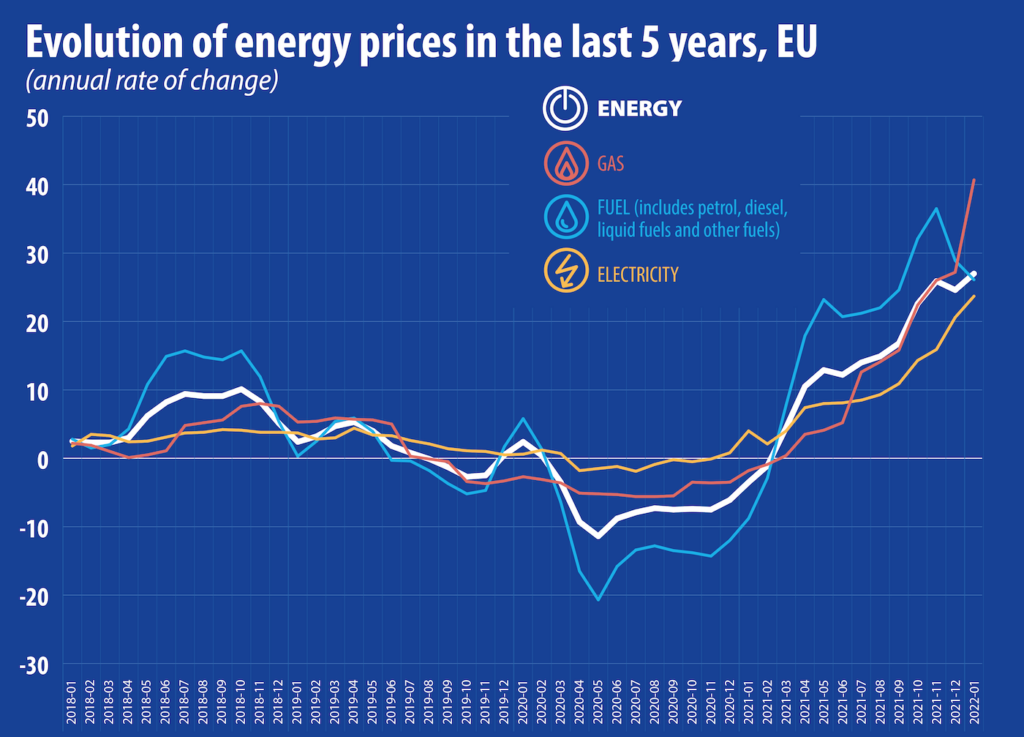
source: europa.eu

Understanding the Energy Trading Market 

The world of energy trading is a dynamic space where the exchange, buying, selling, and predictions about energy commodities unfold across the global financial stage. 

Through these interactions, benchmarks for the value of different commodities are set, influenced by a dance of factors that tug at the balance between supply and demand. Traders, guided by their predictions of energy price shifts, jump into or wrap up trading positions accordingly. 

When we dig into the factors driving the rollercoaster of energy prices, a few key points come to light: 

  • Growth in emerging markets: While developed countries tend to have steady energy demands, emerging markets paint a different story. These up-and-coming regions are on a fast track of growth, and their energy needs are shooting up. This surge in demand is set to have a big say in how energy commodities are priced, especially for resources favoured by rapidly growing economies. 
  • Population growth: The path of global population growth has a hefty impact on energy prices. With Earth’s population expected to keep climbing, the race for available energy resources heats up. While this affects all countries, it’s a particularly big deal for giants like China and India. These places are dealing with booming populations and people flocking to cities, which cranks up their energy usage. 
  • Energy penetration: Despite energy having a wide reach, large chunks of the developing world still lack access to electricity. As these regions take steps forward economically and industrialise, energy access spreads like wildfire, and you guessed it—demand shoots up. 
  • Industrialisation and developing economies: The rise of new global players marks an era of supercharged industrialisation and the matching hunger for energy. The energy choices these rising powers make are pivotal, adding to the buzz around certain energy sources. For traders looking ahead, understanding the energy paths countries like China and India take to meet their energy needs is a must. 
  • Energy efficiency: On the horizon, energy trading faces the challenge of the developed world’s relentless quest for more energy-efficient ways. This involves swapping out old-school energy sources for clean, renewable options. The ripple effects include a possible slowdown in demand for non-renewable resources in developed countries, contrasted with a growing appetite for sources like solar and wind power. 

source: forgedcomponents.com

How Energy Trading Works 

Navigating the energy trading market offers a multitude of paths for investors to explore, each with its distinct advantages and intricacies. Let’s embark on a journey to uncover these diverse approaches: 

Physical Commodities Trading 

One route involves direct engagement with tangible energy commodities such as oil, natural gas, or heating oil. This entails buying and selling the actual materials. However, this path is often less chosen by individual traders due to the challenges associated with logistics and storage. 

Energy Stocks 

Another avenue is investing in the stocks of energy companies. For instance, purchasing shares in major oil corporations lets you indirectly partake in the shifts of the energy market itself. 

Derivatives Trading 

Derivatives like energy CFDs (contracts for difference) and spread betting provide a way to speculate on energy price movements without having to own the underlying assets. These tools offer flexibility and the potential for gains in both upward and downward markets. 

Energy ETFs 

Exchange-traded funds (ETFs) are like investment bundles that group together energy-related stocks. This strategy grants you diversification by allowing you to invest in a broader slice of the energy market without needing to handpick individual stocks. 

How to Trade Energies with VT Markets? 

Energy commodity markets are known for their high volatility, offering opportunities for short-term gains and often serving as a safe haven for investors in uncertain times. 

To begin trading energy stocks, commodities, or ETFs, consider practicing in a risk-free environment. VT Markets provides an obligation-free demo account, allowing you to simulate opening and closing positions. With 90 days to explore, you can learn about energy trading dynamics and understand how factors affect prices, including oil CFDs and energy company stocks. 

In addition to monitoring price charts and trends, a robust energy trading strategy includes staying informed about breaking energy commodity news. Keeping up with the latest developments impacting the energy sector and reading expert analyses is crucial. 

Remember, trading energy stocks may require in-depth analysis, as stock movements don’t always directly mirror commodity prices. VT Markets offers daily market analysis to help you gauge the impact of breaking news on your portfolio. 

Ready to trade energies in a user-friendly live trading environment? VT Markets can have you up and running, opening your first position in just minutes. Create your live trading account today and explore the potential opportunities the energy market holds to elevate your portfolio. 

Summary: 
  • Energy trading offers potential rewards due to constant demand and volatility. 
  • Energy commodities encompass hard and soft commodities, with energies like oil, natural gas, and renewables being prominent. 
  • Energy prices are influenced by factors like emerging markets, population growth, energy penetration, and industrialisation. 
  • Strategies for trading energy include physical commodities trading, energy stocks, derivatives trading (CFDs), and energy ETFs. 

Stocks Rebound as August Nears End, Tech Seeks Recovery

Stocks started the final trading week of August on a positive note, with Wall Street striving to recover from a month of losses. The Dow Jones Industrial Average surged by 0.62%, gaining 213.08 points to close at 34,559.98. The S&P 500 climbed 0.63% to reach 4,433.31, and the Nasdaq Composite advanced by 0.84% to finish at 13,705.13. August has witnessed losses across all three indexes, with the S&P 500 declining by 3.4%, and the Nasdaq and Dow slipping by about 4.5% and 2.8% respectively. The tech sector, which suffered a 4.6% drop this month, made efforts to recover as certain tech giants like Meta, Apple, and Nvidia showed slight gains. Meanwhile, other sectors, such as 3M, made notable moves driven by company news.

The rally on Monday was characterized by a broader market participation, with 10 of the 11 sectors in the S&P 500 showing positive momentum. Notably, the rally appeared to favor cyclical stocks over tech, as investors responded to stronger-than-expected growth beyond the U.S. borders. The positive sentiment followed Federal Reserve Chair Jerome Powell’s recent remarks, in which he indicated cautiousness in proceeding with further interest rate hikes despite signs of ongoing economic growth and robust consumer spending. Traders were assigning over a 20% probability of another rate hike during the upcoming September meeting. The week ahead holds significance with the release of the Fed’s preferred inflation gauge, the personal consumption expenditures index, and fresh non-farm payroll data.

Data by Bloomberg

On Monday, the overall market saw a positive movement of 0.63%. The Communication Services sector led the gains with a notable increase of 1.05%, followed by Information Technology at 0.81% and Industrials at 0.78%. Real Estate, Materials, and Energy sectors also displayed positive growth, each rising by 0.77%, 0.74%, and 0.73% respectively. Financials experienced a moderate gain of 0.59%, while Consumer Staples and Consumer Discretionary sectors showed more modest increases of 0.46% and 0.37%. Health Care saw a slight uptick of 0.23%, while the Utilities sector had a minor decrease of -0.04%.

Major Pair Movement

The dollar index showed a slight decline on Monday as London observed a bank holiday. Investors grappled with mixed messages from central bankers following the Jackson Hole symposium. While the Bank of Japan (BoJ) Governor leaned dovish, other central banks left their stance ambiguous. The market eagerly awaited upcoming key data releases for clearer guidance.

A rebound in risk appetite, partially triggered by China’s efforts to bolster its slowing growth and curb investment outflows, had a minor impact on safe-haven currencies like the dollar and yen. Meanwhile, risk-sensitive currencies such as the Australian dollar and sterling received support, rising by 0.27% and 0.19% respectively. EUR/USD gained 0.12%, and USD/JPY remained relatively stable.

Following the Jackson Hole event, the Federal Reserve is likely to raise rates by 25 basis points at its November meeting if U.S. data remains robust. The European Central Bank (ECB), facing weaker euro zone data and inflation concerns, may raise rates by 25 basis points as early as September. Fed Chair Jerome Powell emphasized the need for more data before considering rate hikes, while ECB President Christine Lagarde highlighted potential inflation risks. With the focus on upcoming euro zone and U.S. data, market attention is on economic indicators, including CPI, core PCE, employment data, and ISM manufacturing reports for August. The dollar’s trajectory against the yen depends on U.S. data and Treasury yields, while sterling remained relatively unaffected by hawkish comments from the Bank of England Deputy Governor, already priced in due to inflation concerns.

Picks of the Day Analysis
EUR/USD (4 Hours)

EUR/USD Rises Amid Weaker US Dollar, Markets Anticipate Key Economic Data

The EUR/USD currency pair experienced a modest increase on Monday, benefitting from a softened US Dollar after recording its lowest close since mid-June following Jerome Powell’s Jackson Hole speech. As crucial economic reports loom, there’s potential for increased market volatility.

The US Dollar started the week on a weaker note, driven by an improved market sentiment supported by China’s additional measures. This led to gains in US and European stocks and a decline in government bond yields. This environment weighed on the US Dollar, causing the US Dollar Index to retreat towards 104.00.

In terms of economic data, the Dallas Fed Manufacturing Index exhibited improvement, albeit not overwhelmingly positive. Attention is now focused on forthcoming employment and inflation data. The week’s agenda includes the release of the JOLTS Job Openings report. Similarly, European markets are keenly awaiting inflation reports, with preliminary August Consumer Price Index (CPI) data set to be unveiled across Eurozone countries. Additionally, the German Gfk Consumer Confidence survey is due for release. The convergence of these data points suggests the potential for market-moving shifts.

Chart EURUSD by TradingView

In line with technical analysis, the EUR/USD moves slightly higher on Monday, reaching the middle band of the Bollinger Bands. Currently, the price is moving slightly above the middle band, showing that there’s potential for another higher movement to target the upper band. The Relative Strength Index (RSI) is currently at 49, signaling that EUR/USD is trying to move back to the neutral stance.

Resistance: 1.0874, 1.0935

Support: 1.0789, 1.0740

XAU/USD (4 Hours)

XAU/USD Surges to Three-Week High as China Initiates Measures, Market Eyes Economic Data

Spot Gold experienced a surge against the US Dollar, propelling the XAU/USD pair to a three-week high at $1,926.04 per troy ounce. The week commenced with financial markets closely observing China’s moves to bolster the Yuan. China’s economy, grappling with challenges since abandoning the zero-covid policy in December 2022, has struggled to regain pre-pandemic growth levels.

China’s reduction of the stamp duty on stock trading by 50% over the weekend, coupled with a higher-than-expected fixed rate for USD/CNY set by the People’s Bank of China (PBoC), exerted downward pressure on the USD, leading to minor losses against major counterparts. Despite this, the USD maintained its position near recent highs across currency markets. Gold experienced an uptick during the American session, partly influenced by rising government bond yields and a retreat in US indexes from their intraday highs.

However, Gold’s intraday gains were mostly reined in as market participants await key news for clearer market direction. The upcoming macroeconomic calendar features significant data releases, including Germany and the Euro Zone’s preliminary estimates of the Harmonized Index of Consumer Prices (HICP) for August. Likewise, the United States is set to publish the July Core Personal Consumption Expenditures (PCE) Price Index, a preferred inflation gauge by the Federal Reserve, along with multiple employment indicators leading up to the eagerly anticipated August Nonfarm Payrolls report on Friday.

Chart XAUUSD by TradingView

Using technical analysis, the XAU/USD moves slightly higher on Monday and trying to widen the bands for the Bollinger Bands. Currently, the price is trying to push the upper band higher showing there’s potential for Gold to move even higher. The Relative Strength Index (RSI) is at 65 currently, showing that the XAU/USD pair is still in a positive mode.

Resistance: $1,926, $1,945

Support: $1,910, $1,896

Economic Data

CurrencyDataTime (GMT + 8)Forecast
AUDRBA Gov-Designate Bullock Speaks15:40 
USDCB Consumer Confidence22:00116.0
USDJOLTS Job Openings22:009.49M

Week Ahead: All Eyes on Australia’s CPI, US Core PCE Price Index, and US Jobs Report

This week, keep a close watch on Australia’s Consumer Price Index (CPI), the US Core Personal Consumption Expenditure (PCE) Price Index, and the US Jobs Report. These indicators could substantially impact market sentiment, amplifying the need for traders to exercise caution and stay well-informed to optimise their trading efforts throughout the week.

Here are some market highlights for the upcoming week:

US JOLTS Job Openings (29 August 2023) 

Figures from the US Job Openings and Labour Turnover Survey (JOLTS) indicate that the number of job openings in the US fell by 34,000 to 9.58 million in June 2023, the lowest level since April 2021.

The figures for July 2023 will be released on 29 August, with analysts expecting a slight drop to 9.57 million.

Australia’s CPI (30 August 2023)

Australia’s Consumer Price Index was up by 5.4% in June 2023, easing from the 5.5% rise observed in May 2023. 

Analysts predict a slower growth rate of 5.2% in the figures for July 2023, set to be released on 30 August.

US Core PCE Price Index (31 August 2023) 

Core PCE prices in the US, excluding food and energy, experienced a 0.2% increase in June 2023, easing from the 0.3% rise seen in May 2023.

The data for July 2023 is set to be released on 31 August, with analysts expecting a 0.2% growth.

US Jobs Report (1 September 2023)

The US economy created 187,000 jobs in July 2023, while the unemployment rate decreased to 3.5%. 

The figures for August 2023 will be released on 1 September, with analysts forecasting the addition of 180,000 more jobs. The unemployment rate is expected to maintain its level at 3.5%.

ISM Manufacturing PMI (1 September 2023 )

The ISM Manufacturing Purchasing Managers’ Index (PMI) for the US rose to 46.4 in July 2023 from 46 in June 2023. 

Analysts predict a reading of 46.6 in the index for August 2023, scheduled for release on 1 September.

Tech Rally Fizzles as Stocks Tumble Amidst Fed Chairman’s Speech Anticipation

In a dramatic turn of events, the stock market experienced a sharp decline following a brief surge triggered by Nvidia’s impressive quarterly results. As the tech rally faded, investors also braced themselves for a significant address from Federal Reserve Chairman Jerome Powell. The Dow Jones Industrial Average closed with a hefty loss of 373.56 points, marking a 1.08% drop to settle at 34,099.42. Similarly, the S&P 500 witnessed a substantial decline of 1.35%, concluding the day at 4,376.31, while the Nasdaq Composite, renowned for its tech-heavy constituents, plunged by 1.87% to reach 13,463.97.

This Thursday brought forth the Dow’s most challenging day since March, while the S&P 500 and Nasdaq encountered their most significant single-day losses since August 2nd. Nvidia, a prominent tech player, reported better-than-expected earnings and revenue, propelling its shares to an all-time high. Although the company’s leadership projected a remarkable third-quarter revenue increase of 170% year-over-year, the stock only managed a meager 0.1% gain by the closing bell. Meanwhile, the tech sector faced a notable setback, causing the S&P 500’s largest loss of 2.15%. Renowned tech giants like Amazon, Apple, and Netflix saw their shares decrease during the session, with losses ranging from 2.6% to 4.8%. As the market awaits Powell’s speech, U.S. Treasury yields climbed, touching 4.241% for the benchmark 10-year Treasury note.

Data by Bloomberg

On Thursday, all sectors of the stock market experienced a decline of 1.35%. Among the various sectors, technology and communication services were hit the hardest, both dropping by 2.15% and 2.04% respectively. Consumer discretionary also faced a substantial decrease of 2.01%. Industrials followed with a decline of 1.22%. Health care, energy, and utilities sectors recorded losses of 0.76%, 0.74%, and 0.63% respectively. Financials, real estate, and materials sectors had more modest declines, each decreasing by 0.24%, 0.41%, and 0.43%. The consumer staples sector also saw a decrease of 0.77% in its value.

Major Pair Movement

The US Dollar Index rebounded and surged above 104.00, marking its highest point since early June after a brief correction. This resurgence was fueled by fundamental factors, risk aversion, and higher US Treasury yields, all of which contributed to the strengthening of the Greenback. All eyes are on the Jackson Hole event, with European Central Bank President Christine Lagarde and Federal Reserve Chair Jerome Powell scheduled to speak. Their speeches are anticipated to induce volatility and potentially lead to significant movements in financial markets. Despite mixed data from the US on Thursday, including a 5.2% decline in July’s Durable Goods Orders (versus an expected -4%) and a lower than expected initial Jobless Claims of 230K (versus 240K expected), the US Dollar remained resilient. The University of Michigan’s Consumer Sentiment report is expected to be released on Friday. Additionally, Federal Reserve officials’ comments varied, with some suggesting that policy actions may have been sufficient, while others warned of the possibility of further rate hikes.

The 10-year US Treasury yield rebounded to 4.2%, though it remained below recent peaks, while the 2-year yield climbed back above 5%. These rising yields exerted pressure on the Japanese Yen, causing USD/JPY to rise from 144.65 to 145.85, poised for Jerome Powell’s speech. Meanwhile, EUR/USD retreated to 1.0800, trading with a bearish bias just above the 200-day Simple Moving Average (SMA). ECB President Christine Lagarde’s speech at Jackson Hole and upcoming data on German Q2 GDP and the IFO Survey are awaited. USD/CHF consolidated above 0.8800, achieving its highest daily close in a month around 0.8850, as Switzerland prepared to release Q2 employment data. Conversely, GBP/USD resumed its downtrend, slipping below 1.2600 after failing to hold above the 20-day SMA at 1.2740. In the Antipodean region, AUD/USD reversed its gains from Wednesday and neared the 0.6400 mark, while NZD/USD struggled to regain 0.6000 and dropped to 0.5920, both currencies facing pressure amidst cautious market sentiment.

Picks of the Day Analysis
EUR/USD (4 Hours)

EUR/USD Nears Crucial Levels Amidst Dollar’s Resurgence Ahead of Powell’s Jackson Hole Speech

The EUR/USD currency pair has edged back towards significant technical thresholds following a brief rebound that faltered near 1.0870. This pullback occurred as the US Dollar regained strength in anticipation of Federal Reserve Chair Jerome Powell’s imminent address at Jackson Hole on Friday. Despite mixed data from the US and no definitive cues from Fed officials, the Greenback managed to strengthen. US stocks saw declines, while US Treasury yields rebounded, contributing to the Dollar’s resurgence. US economic indicators revealed a notable 5.2% drop in Durable Goods Orders for July, exceeding the anticipated 4% decrease. Furthermore, Initial Jobless Claims declined to 230,000, surpassing the projected 240,000 figure.

European Central Bank (ECB) Governing Council member Mario Centeno delivered a cautionary stance on Thursday, expressing the need for prudence in upcoming meetings. He highlighted the realization of downside risks to the economy, aligning with the prevailing downtrend in expectations for additional monetary policy tightening from the ECB. These dovish remarks have potentially contributed to the EUR/USD’s weakness. As the week progresses, Germany is set to release updated data on Q2 GDP and the ZEW Survey, while the University of Michigan’s Consumer Sentiment Survey will be a focal point in the US. However, all eyes remain fixed on Jackson Hole, where ECB President Christine Lagarde will speak at 11:00 GMT, followed by Fed Chair Jerome Powell at 14:00 GMT. These speeches have the potential to trigger substantial market movements across various sectors.

Chart EURUSD by TradingView

In line with technical analysis, the EUR/USD declined on Thursday, reaching the lower boundary of the Bollinger Bands. At present, the price is hovering close to this lower boundary. The Relative Strength Index (RSI) is currently at 34, signaling a return to bearish sentiment for the EUR/USD.

Resistance: 1.0874, 1.0935

Support: 1.0789, 1.0740

XAU/USD (4 Hours)

XAU/USD Maintains Rally Near $1,923 Amid Dollar’s Volatile Performance

Spot Gold continued its weekly ascent, reaching $1,923.34 per troy ounce and sustaining modest intraday progress, just below this mark during the mid-American session. The US Dollar experienced selling pressure throughout the first half of the day, influenced by a decline in government bond yields and favorable stock market performance.

The USD briefly garnered demand following the release of mixed US data. Durable Goods Orders endured a substantial 5.2% plunge in July, significantly worse than anticipated. Conversely, Initial Jobless Claims for the week concluding on August 18 displayed improvement at 230K, surpassing the expected 240K. The July Chicago Fed National Activity Index also signaled a shift, rising to 0.12 from the previous month’s -0.33.

Macro figures triggered a decline in stock markets, causing Wall Street to further retreat after the opening bell. Despite optimistic remarks from Federal Reserve (Fed) officials, including Boston Federal Reserve President Susan Collins mentioning a possible steadying of the policy rate and Federal Reserve Bank of Philadelphia President Patrick Harker suggesting the Fed might have “done enough” with monetary policy, the market mood dampened. The USD found strength amid this sentiment, further supported by improved Treasury yields, which in turn curbed the extension of gains for XAU/USD (the Gold/US Dollar pair).

Chart XAUUSD by TradingView

Using technical analysis, the XAU/USD didn’t change much on Thursday and stayed between the higher and middle bands of the Bollinger Bands. Right now, the price is still in that same zone between the middle and upper bands. The Relative Strength Index (RSI) is at 61 currently, showing that the XAU/USD pair is still in a positive mode.

Resistance: $1,926, $1,945

Support: $1,910, $1,896

Economic Data
CurrencyDataTime (GMT + 8)Forecast
EURGerman ifo Business Climate16:0086.8
USDRevised UoM Consumer Sentiment22:0071.2
USDFed Chair Powell Speaks (Jackson Hole Symposium)22:05 
EURECB President Lagarde Speaks (Jackson Hole Symposium)03:00 (26th) 

Stocks Rise on Nvidia Earnings Anticipation and Yield Decline, Athletic Apparel Struggles

Stocks closed higher on Wednesday as investors awaited Nvidia’s latest quarterly earnings report, with the company being a top performer in the S&P 500 due to its association with the artificial intelligence trend. The Dow Jones Industrial Average rose by 0.5%, the S&P 500 had its best daily performance since June 30 with a 1.1% gain, and the Nasdaq Composite climbed 1.6% for a third consecutive day of gains. Nvidia’s report was anticipated to show substantial year-over-year increases in profit and revenue. Investors are keen on the results to gauge the continued momentum of the AI trend, which has propelled Nvidia’s significant stock gains. The benchmark 10-year Treasury yield’s decline by over 11 basis points to 4.21% was also well-received by traders, while concerns over inflation and slowing demand negatively affected athletic apparel stocks like Nike and Foot Locker.

Investors are keeping an eye on Nvidia’s earnings report as the company’s stock has surged over 200% in 2023, largely due to its AI-related prospects. The positive sentiment on Wall Street was further boosted by a decline in the 10-year Treasury yield, which fell by more than 11 basis points to 4.21%. However, athletic apparel stocks faced challenges amidst worries about inflation and decreasing demand, with Nike experiencing its longest losing streak on record and Foot Locker reporting shrinking sales and reducing its forecast. The anticipation of the Federal Reserve symposium in Jackson Hole, Wyoming, and Fed Chair Jerome Powell’s upcoming remarks also drew attention from investors. The market’s short-term direction is seen to hinge significantly on Nvidia’s earnings and how it reflects the AI trend’s momentum, with cautionary notes about stretched valuations and potential market implications in the face of changing economic conditions.

Data by Bloomberg

On Wednesday, across all sectors, the market witnessed a positive movement with a gain of 1.10%. The Information Technology sector showed strong growth, leading with a substantial increase of 1.92%, closely followed by the Communication Services sector, which also surged by 1.90%. The Real Estate sector experienced a notable rise of 1.46%, while the Industrials sector saw a more moderate gain of 0.99%. Financial and Consumer Discretionary sectors exhibited growth of 0.93% and 0.83% respectively. The consumer Staples and Utilities sectors showed smaller yet positive increases of 0.63% and 0.45% respectively. The Health Care and Materials sectors saw minor gains of 0.29% and 0.18% respectively. However, the Energy sector faced a decline of -0.30% on the same day.

Major Pair Movement

The US Dollar saw a significant decline, marking its weakest performance since early August, with the Dollar Index (DXY) falling below 103.50 from its recent high around 104.00. This correction was driven by weaker-than-expected US PMI figures and a pullback in US Treasury yields, notably the 10-year yield dropping below 4.20%. The risk-on sentiment was boosted, leading to gains in major indices like the Dow Jones and Nasdaq. The anticipation of Fed Chair Powell’s speech at the Jackson Hole Symposium is notable, as it could shape upcoming policy directions. The Eurozone experienced a drop in the Composite PMI, indicating a contraction, likely impacting ECB projections and hinting at potential policy adjustments. Similarly, the UK’s Composite index fell below 50, weakening GBP/USD and boosting EUR/GBP. The Japanese yen gained ground against the US dollar due to lowered expectations of tightening by central banks, and the Australian dollar rebounded despite disappointing PMI data. Precious metals like gold and silver surged, while cryptocurrencies, including Bitcoin and Ethereum, enjoyed gains due to improved risk sentiment.

Despite its recent highs, the US Dollar weakened notably due to disappointing US PMI data and a decrease in US Treasury yields. The risk-on sentiment was evident in the positive performance of stock indices, and market participants are looking forward to Fed Chair Powell’s speech. The Eurozone and the UK both showed signs of economic contraction, influencing currency dynamics. The Japanese yen benefited from reduced tightening expectations, while the Australian dollar rebounded despite weak data. Precious metals and cryptocurrencies also experienced positive shifts in line with the risk sentiment.

Picks of the Day Analysis
EUR/USD (4 Hours)

EUR/USD Rebounds on Weaker Dollar, Eurozone PMI Impact, and Upcoming Central Bank Speeches

The EUR/USD exhibited a rebound, finding support above the 200-day Simple Moving Average and driven by a weakened US Dollar. The recovery from the 1.0800 level has brought the pair to test the 1.0870 area, although the overarching trend remains downwards. The Euro’s decline was initially triggered by the Eurozone’s preliminary August PMI figures, with the Composite dropping from 48.6 to 47, indicating contraction. Surprisingly, Services PMI dipped to 48.3 while Manufacturing PMI rose to 43.7. This data has dampened expectations for a September rate hike from the European Central Bank (ECB), influencing the Euro’s performance.

In the US, Wednesday’s data revealed a drop in the S&P Global Composite PMI from 52 to 50.4, with Manufacturing PMI falling to 47, contrary to expectations. The Services PMI also slipped from 52.3 to 51. These figures led to losses in the US Dollar, prompting a corrective movement. Additionally, US Treasury yields retreated, contributing to a weakened Dollar and aiding the EUR/USD pair’s rebound. Looking ahead, attention remains on the Jackson Hole Symposium, particularly speeches by Fed Chair Powell and ECB President Lagarde on Friday, even as Thursday’s data includes weekly Jobless Claims and Durable Goods Orders.

Chart EURUSD by TradingView

According to technical analysis, the EUR/USD moved higher on Wednesday and managed to reach the middle band of the Bollinger Bands. Currently, the price is slightly below the middle band of the Bollinger Bands. The Relative Strength Index (RSI) currently stands at 47, indicating that the EUR/USD is currently back in a neutral mode.

Resistance: 1.0935, 1.1038

Support: 1.0837, 1.0789

XAU/USD (4 Hours)

XAU/USD Surges as Dollar Softens Amidst Retreat in Yields and Positive Asian Markets

On Wednesday, spot gold experienced a notable shift, surging towards the $1,920 price range. The US Dollar exhibited a weakened stance through the first half of the day, influenced by declining government bond yields. Despite negative cues from American stock markets, Asian markets demonstrated resilience and moved higher.

European indices maintained an optimistic outlook despite unfavorable news for the Euro Zone. S&P Global’s preliminary August PMI estimates indicated a much worse situation than anticipated, revealing the region’s fastest contraction in business activity in over two years. The USD’s decline continued after the release of US figures, where the Manufacturing PMI reached a two-month low of 47.0, and services output dropped to a six-month low of 51.0. American stocks held their ground in positive territory, while Treasury yields retreated further, with the 10-year Treasury note now offering 4.20%, down by 12 basis points (bps).

Chart XAUUSD by TradingView

Based on technical analysis, the XAU/USD moved higher on Wednesday and was able to reach the upper band of the Bollinger Bands. Currently, the price is moving just around the upper band of the Bollinger Bands. The Relative Strength Index (RSI) is currently at 67, indicating that the XAU/USD pair is now in bullish mode.

Resistance: $1,926, $1,945

Support: $1,910, $1,896

Economic Data
CurrencyDataTime (GMT + 8)Forecast
USDUnemployment Claims20:30239K

Market Slide Fueled by Yield Concerns and Fed Anticipation: Powell’s Speech Awaited

The S&P 500 experienced a 0.3% decline driven by concerns over rising Treasury yields and upcoming remarks from Federal Reserve Chairman Jerome Powell. The decline was also impacted by a drop in banking and retail shares. The Dow Jones Industrial Average followed suit, slipping by 0.5% to 34,288.83, while the Nasdaq Composite managed a small gain at 13,505.87. Notably, Nvidia’s stock dipped 2.9%, offsetting an earlier increase.

Bank ratings adjustments and challenging operating conditions caused several banks, both regional and larger, to witness declines. Consequently, the financial sector saw a 0.9% drop, making it the day’s poorest-performing sector within the S&P 500. Major banks like KeyCorp, Comerica, and JPMorgan Chase faced declines of 4.1% and 2.1% respectively. Meanwhile, Dick’s Sporting Goods and Macy’s tumbled by 24% and 14%, leading to a downward trajectory for the SPDR S&P Retail ETF. Nike also recorded over a 1% slide, marking its ninth successive daily loss. Wall Street’s attention has been on the bond market, particularly the 10-year Treasury yield, which reached its highest point since 2007 during the week. The yield dipped slightly to 4.33% on Tuesday.

Market analysts anticipate a continued market pullback. They point to the influence of climbing yields and a cautious consumer sentiment as drivers of this trend. Investors are eagerly awaiting Federal Reserve Chairman Jerome Powell’s speech at the Jackson Hole economic symposium on Friday, which is expected to provide insights into the central bank’s future monetary policy decisions.

Data by Bloomberg

On Tuesday, most sectors experienced a slight decline, with the overall market slipping by 0.28%. The Real Estate sector managed a 0.28% gain, while Utilities and Communication Services saw increases of 0.26% and 0.18% respectively. On the positive side, Consumer Discretionary showed a marginal uptick of 0.09%. However, several sectors faced losses, including Energy and Financials, which saw declines of 0.77% and 0.88% respectively. The Consumer Staples sector had the largest drop at 0.53%, followed by Health Care at 0.37%, Information Technology at 0.24%, and Industrials at 0.20%.

Major Pair Movement

The dollar index exhibited a 0.24% increase, led by a 0.36% decline in EUR/USD, pushing the euro close to breaking its pivotal lows from July. The possibility of this break is tied to Federal Reserve Chair Jerome Powell’s upcoming speech at Jackson Hole and the potential for its content to align with statements from Richmond Fed President Barkin. Despite a temporary alleviation from recent events that might have contributed to the Treasury yield’s retreat from post-GFC highs, the 2-year bund-Treasury yield spreads hit new lows for 2023. This shift coincided with the Treasury curve inverting further due to the attraction of high 10-year yields and short-covering. Barkin’s comments, which deviated from his generally dovish stance, introduced the risk that Powell could emphasize relative U.S. economic strength and the importance of achieving the Fed’s 2% inflation mandate.

The uncertainty centers on the potential length of elevated interest rates by the Fed and the implications for inflation. The conversation also includes evaluating the impact of China’s economic challenges. Jens Eskelund, President of [unspecified institution], weighed in on these matters. Despite the Fed’s stance based on strong economic growth and a tight labor market, both S&P and Moody’s have expressed concerns, leading to a market prediction of almost 100 basis points of Fed rate cuts next year, coinciding with one of the most rapid rate increases in decades. The USD/JPY pair dropped by 0.25%, reflecting a retreat in Treasury yields, while sterling faced a 0.13% decline due to factors including the dollar’s broader rebound from Barkin’s comments and an equities pullback. USD/CNH saw a 0.22% rise, in contrast to USD/CNY’s 0.09% gain. The focus now shifts to the global PMIs scheduled for Wednesday and Powell’s upcoming presentation on Friday.

Picks of the Day Analysis
EUR/USD (4 Hours)

EUR/USD Hits Mid-June Lows Amidst Dollar’s Strength and Economic Concerns

The EUR/USD currency pair experienced a significant drop, marking its lowest daily close since mid-June. The decline came after a brief two-day recovery, highlighting the persistent pressure on the pair driven by a strong US Dollar. The Eurozone’s current account surplus of €35.8 billion in June, attributed to reduced imports due to lower energy prices, is juxtaposed against expectations of a slight dip in the August PMI composite index. The Eurozone’s economic concerns are further fueled by a cautious market atmosphere, contrasting the robustness of the US economy. As the US Dollar Index (DXY) surged above 103.50 and US Treasury yields rose, data from the US housing market added to the narrative. Attention now turns to the forthcoming Jackson Hole Symposium, where addresses by Federal Reserve Chair Powell and European Central Bank President Lagarde are eagerly anticipated.

Chart EURUSD by TradingView

According to technical analysis, the EUR/USD moved lower on Tuesday and managed to reach the lower band of the Bollinger Bands. Currently, the price is slightly above the lower band of the Bollinger Bands. The Relative Strength Index (RSI) currently stands at 39, indicating that the EUR/USD is currently back in a bearish mode.

Resistance: 1.0935, 1.1038

Support: 1.0837, 1.0789

XAU/USD (4 Hours)

XAU/USD‘s Volatile Rally Amidst Dollar’s Rebound and Market Uncertainty

The XAU/USD currency pair experienced a fluctuating rally, surging to $1,904.44 in London trading before reversing due to renewed US Dollar demand, prompted by S&P Global Ratings’ downgrade of US bank ratings following a similar move by Moody’s. Equities maintained a bullish tone as Wall Street and European indexes held onto gains despite retracements from intraday highs, and XAU/USD recovered from its low of $1,889.12. The Dollar’s performance was influenced by rising government bond yields, with the 10-year Treasury note hitting 4.366% and the 2-year note reaching 5.01%. Market unease prevailed ahead of the Jackson Hole Symposium, where speeches by US Federal Reserve Chair Jerome Powell and European Central Bank President Christine Lagarde are anticipated.

Chart XAUUSD by TradingView

Based on technical analysis, the XAU/USD moved higher on Tuesday and was able to reach the upper band of the Bollinger Bands. Currently, the price is moving just below the upper band of the Bollinger Bands. The Relative Strength Index (RSI) is currently at 55, indicating that the XAU/USD pair is now in a neutral stance with a slight bull mode.

Resistance: $1,907, $1,916

Support: $1,896, $1,885

Economic Data
CurrencyDataTime (GMT + 8)Forecast
EURFrench Flash Manufacturing PMI15:1545.1
EURGerman Flash Services PMI15:1547.5
EURFlash Manufacturing PMI15:3038.9
EURFlash Services PMI15:3051.5
GBPFlash Manufacturing PMI16:3045.1
GBPFlash Services PMI16:3050.9
USDFlash Manufacturing PMI21:4548.9
USDFlash Services PMI21:4552.1

Stock Futures Stabilize as Nasdaq and S&P 500 Break Losing Streak Amid Rising Yields

U.S. stock futures held steady after a month marked by losses across major indices, as the Nasdaq Composite and S&P 500 finally halted their four-day negative streak. Futures tied to the Dow Jones Industrial Average dipped slightly by 0.1%, while S&P 500 and Nasdaq 100 futures also saw marginal declines of the same magnitude. During the main trading session, the Nasdaq Composite posted its most significant gain of the month, surging by 1.6%, and the S&P 500 recorded a nearly 0.7% increase. Impressively, these advances occurred even as the 10-year Treasury yield reached its highest level since November 2007, climbing by around 9 basis points to 4.34%. This simultaneous rise of tech-heavy stocks and yields drew attention in Wall Street, where the historically challenging relationship between tech shares and higher interest rates was defied. Despite the current optimism, analysts remain cautious, highlighting potential vulnerabilities associated with the recent Treasury yield surge, including impacts on refinancing and concerns for tech and growth stocks with high price-to-earnings ratios.

Looking ahead, market watchers await crucial corporate earnings releases from prominent retail giants Lowe’s and Macy’s, as well as Nvidia, a significant tech gainer that plays a pivotal role in gauging sentiment within the AI sector. Economic data releases, such as the Philadelphia Fed’s nonmanufacturing survey, Richmond Fed’s manufacturing survey results, and July’s existing home sales data, will also be scrutinized for insights into the health of the economy. Additionally, all eyes are on Fed Chairman Jerome Powell’s forthcoming remarks at Jackson Hole, expected to provide further clarity on the central bank’s perspective regarding inflation trends. This context underscores the delicate balancing act investors face as they assess the interplay between market performance, interest rates, and economic indicators in the months ahead.

Data by Bloomberg

On Monday, the overall market displayed a positive trend with all sectors collectively gaining 0.69%. The Information Technology sector led the way with an impressive surge of 2.26%, followed by Consumer Discretionary at 1.15% and Communication Services at 0.80%. Health Care experienced a marginal uptick of 0.09%, while Materials and Financials saw minimal gains of 0.02% and -0.09% respectively. On the other hand, Industrials and Utilities witnessed slight declines of -0.14% and -0.60%, while Energy, Consumer Staples, and Real Estate faced more substantial decreases, sliding by -0.62%, -0.64%, and -0.88% respectively.

Major Pair Movement

On Monday, the US Dollar faced a slight decline as major currency pairs remained relatively stable due to a lack of significant macroeconomic events. Market sentiment stayed negative, causing government bond yields to rise. The US Treasury yield reached its highest point since 2007, reflecting concerns that global central banks might extend monetary tightening measures to control inflation.

China continued to face challenges, with reports showing a continued decline in government land sales revenue for the 19th consecutive month in July. The People’s Bank of China (PBoC) made a minor expected adjustment by reducing the one-year Loan Prime Rate by 10 basis points to 3.45%. However, this fell short of more aggressive expectations, causing the Yuan to weaken. UBS also lowered China’s 2023 real GDP growth forecast from 5.2% to 4.8%.

The German Bundesbank’s monthly report indicated that inflation might persist above central bank targets for a while, while Q3 growth is predicted to remain largely flat.

Currency pairs displayed varied trends: EUR/USD struggled to surpass 1.0900, GBP/USD appeared better positioned for gains at around 1.2740, the Australian Dollar gained against the US Dollar alongside rising Gold prices, and USD/CAD rose due to decreased oil prices impacting the Canadian Dollar.

USD/JPY traded above 146.00 and near its recent high of 146.53, with growing speculation that the Bank of Japan might need to adjust its ultra-loose monetary policy soon.

The upcoming week’s macroeconomic calendar had limited offerings, with attention turning to the Jackson Hole Symposium starting next Thursday. Federal Reserve Chair Jerome Powell and European Central Bank President Christine Lagarde were scheduled to speak on Friday, raising anticipation for potential hints about future policy decisions.

Picks of the Day Analysis

EUR/USD (4 Hours)

EUR/USD Holds Near 1.0900 Amid USD Struggles and Chinese Woes

The EUR/USD pair remains steady around 1.0900 as the US Dollar faces challenges despite a sour mood. Asian stocks dip due to ongoing Chinese real estate concerns, while the People’s Bank of China (PBoC) cuts rates as expected, impacting the Yuan. Global bond yields rise, led by the US 10-year Treasury note hitting a 2007 high. Germany sees mixed economic news, with Producer Price Index (PPI) decline but Bundesbank’s caution on inflation. Upcoming data includes Euro Zone’s June Current Account and US July Existing Home Sales and August Richmond Fed Manufacturing Index, alongside insights from Fed officials.

Chart EURUSD by TradingView

According to technical analysis, the EUR/USD moved higher on Monday and managed to reach the upper band of the Bollinger Bands. Currently, the price is slightly below the upper band of the Bollinger Bands. The Relative Strength Index (RSI) currently stands at 51, indicating that the EUR/USD is currently back in a neutral stance.

Resistance: 1.0935, 1.1038

Support: 1.0865, 1.0789

XAU/USD (4 Hours)

XAU/USD Recovers Briefly as USD Strengthens Amid Economic Uncertainties

Spot Gold hit a low of $1,884.77 on Monday before recovering slightly as XAU/USD responded to reduced US Dollar demand, eventually stabilizing around $1,890. The USD rebounded due to a deteriorating market sentiment, causing US indexes to dip and government bond yields, including the 10-year Treasury note, to surge to their highest levels since 2007, with the 2-year note nearing 5%. Growing concerns about a potential economic setback persist as global central banks remain cautious about ending the ongoing monetary tightening cycle, and worries intensify due to China’s currency struggles and limited action. The macroeconomic calendar offers little this week, heightening anticipation for insights from Federal Reserve Chair Jerome Powell and European Central Bank President Christine Lagarde at the Jackson Hole Symposium on Friday, as investors seek guidance on future directions.

Chart XAUUSD by TradingView

Based on technical analysis, the XAU/USD moved higher on Monday and was able to move near the upper band of the Bollinger Bands. Currently, the price is moving just below the upper band of the Bollinger Bands. The Relative Strength Index (RSI) is currently at 48, indicating that the XAU/USD pair is now in a neutral stance.

Resistance: $1,899, $1,912

Support: $1,892, $1,885


Week Ahead: Markets to Focus on Manufacturing PMI and Services PMI

This week, key economic players such as Germany, the UK, and the US will publish their flash manufacturing PMI and flash services PMI figures. These releases have the potential to impact market volatility. We advise traders to stay cautious and keep an eye on the latest updates.

Here are some notable highlights for the week:

Flash Manufacturing PMI for Germany, the UK, and the US (23 August 2023)

Germany’s manufacturing PMI declined from 40.6 in June 2023 to 38.8 in July 2023, marking deteriorating business conditions within the country’s manufacturing sector. This figure for July is also the lowest reading since May 2020.

Meanwhile, the UK’s manufacturing PMI for the same period fell from 46.5 to 45.3. In contrast, the US’ manufacturing PMI for the same period increased from 46.3 to 49.

The next set of data will be released on 23 August. Analysts predicted manufacturing PMIs are 38.6 for Germany, 46.2 for the UK, and 49.5 for the US.

Flash Services PMI for Germany, the UK, and the US (23 August 2023) 

Germany’s services PMI declined from 54.1 in June 2023 to 52.3 in July 2023, indicating the slowest growth in five months. Similarly, the UK’s services PMI declined from 53.7 to 51.5 during this period, making July the third consecutive month of slowing activity across the country’s service sector. Finally, the US’ services PMI also fell from 54.4 to 52.3 during the same period. 

Analysts’ predicted services PMIs for August 2023 are as follows: Germany at 51.5, the UK at 53, and the US at 52.

Germany’s Ifo Business Climate Index (25 August 2023)

Germany’s Ifo Business Climate Index fell for the third consecutive month in July 2023, indicating pessimistic expectations for the coming months. The July figure of 87.3 is also the lowest level since November 2022. 

The figure for August 2023 will be released on 25 August, with analysts expecting a reading of 86.9.

Jackson Hole Economic Symposium (25–27 August 2023) 

The Jackson Hole Economic Symposium is an annual symposium that focuses on key economic issues affecting the world.

Its participants include prominent financial figures and leading market players from all around the globe. Proceedings from the symposium might hence have an impact on market sentiment and movements.

Stock Market Slides as Rates Rise and Earnings Data Digs In

The stock market endured its third consecutive session of decline as investors grappled with the latest earnings reports and economic indicators, compounded by a surge in interest rates to new highs. The Dow Jones Industrial Average experienced a notable drop of 290.91 points, or 0.84%, marking its first close below the 50-day moving average since early June. This downturn raised concerns about a potential downtrend. Similarly, the S&P 500 and Nasdaq Composite also faced losses of 0.77% and 1.17%, respectively, exacerbating the market’s unease.

The unsettling trend was exacerbated by the 10-year U.S. Treasury yield’s climb to levels unseen since October 2022. The rise in rates followed the Federal Reserve’s release of minutes from its July meeting, which highlighted lingering concerns about the risk of inflation surging upward. The market witnessed a mix of outcomes among major companies, with retail giant Walmart’s stock dipping over 2%, despite exceeding expectations for earnings, revenue, and revised annual projections. Conversely, computer networking company Cisco Systems bucked the trend, gaining more than 3% thanks to its better-than-anticipated quarterly earnings report. As the market faced a turbulent August, characterized by losses and a broad index slump of over 4%, analysts like Chris Fasciano from Commonwealth Financial Network acknowledged the pullback as a potentially healthy recalibration after an earlier robust rally.

While some respite was found in the form of lower jobless claims and a positive uptick in the Philadelphia Federal Reserve’s manufacturing index for August, the overarching narrative remained one of caution and uncertainty as investors navigated through the intricate interplay of earnings releases, economic data, and interest rate fluctuations.

Data by Bloomberg

On Thursday, the stock market witnessed a mixed performance across various sectors. Energy saw a notable gain of +1.11%, while materials experienced a slight decline of -0.18%. The utilities and financial sectors also dipped, with losses of -0.33% and -0.50% respectively. Communication services and real estate faced setbacks of -0.59% and -0.75%, while health care and industrials both saw decreases of -0.76% and -0.84%. The information technology sector experienced a larger drop of -0.96%, while consumer staples and consumer discretionary sectors recorded more significant declines of -1.01% and -1.58% respectively.

Major Pair Movement

Amidst risk aversion and rising Treasury yields, the US Dollar surged across the board during the American session. The Dow Jones index faced a third consecutive day of losses, sliding by 0.85% and registering its lowest close in a month. Concerns about China’s economic prospects combined with expectations of prolonged higher interest rates contributed to market unease.

US Treasury yields displayed a mixed performance, with the 10-year yield hitting 4.32%, its highest since 2007, before retracting, while the 30-year yield rose to 4.42%, its peak since 2011. The US Dollar Index ended the day steady at 103.40 after briefly touching two-month highs at 103.59.

US Initial Jobless Claims dropped to 239,000 for the week ending August 12, surpassing expectations. However, Continuing Jobless Claims increased to 1.716 million in the week ending August 5, reaching their highest point in four weeks. The Philadelphia Fed Manufacturing Survey provided a positive surprise by climbing from -13.5 to 12.

Looking forward, attention shifted to the upcoming Jackson Hole Symposium, as Friday’s US releases were not anticipated to be top-tier. The EUR/USD initially rose before declining during American trading hours, marking a six-week low. The Japanese Yen recovered ground despite rising government bond yields, benefiting from equity market declines and a slight US Dollar slowdown. GBP/USD experienced significant gains but failed to hold above the 20-day Simple Moving Average, while the Australian jobs report impacted the Aussie’s performance. USD/CAD continued its upward trajectory, and NZD/USD fell before slightly recovering from its lows.

Picks of the Day Analysis

EUR/USD (4 Hours)

EUR/USD Extends Losses Amidst Dollar Strength and Market Caution

During the American session, the EUR/USD currency pair faced its fifth consecutive day of decline, shifting into negative territory. The US Dollar maintained its robust stance, benefiting from risk aversion and higher Treasury yields. Initially rising to approximately 1.0920, the pair later weakened, settling around the 1.0860 range.

The Euro’s initial surge in the American session gave way to a reversal, driven by the diminishing yield difference between US and German bonds, which exerted downward pressure on the EUR/USD. Furthermore, a drop in equity values amplified demand for the US Dollar. Looking ahead, Eurostat is set to release the final July Consumer Price Index, expected to hold no significant surprises with an annual rate of 5.3%. Additionally, Construction Output data for June will also be reported.

The prevailing narrative continues to favor the US Dollar, supported by recent US economic indicators and a climate of general market caution. As such, any potential recoveries in the EUR/USD are likely to be restricted until a shift in market sentiment occurs.

Chart EURUSD by TradingView

Based on technical analysis, the EUR/USD moves lower on Thursday, creating a push for the lower band of the Bollinger Bands. Currently, the price is moving around the middle band of the Bollinger Bands. The Relative Strength Index (RSI) presently stands at 44, signifying that the EUR/USD is currently in a bearish sentiment with a potential to goes back to neutral stance.

Resistance: 1.0935, 1.1038

Support: 1.0865, 1.0789

XAU/USD (4 Hours)

XAU/USD Hits Lowest Levels Since March Amid Gloomy Market Mood and Central Bank Concerns

Gold prices are facing downward pressure, falling to their lowest since March and hovering around the $1,890 mark, as a somber market sentiment persists. The risk-averse stance among investors was triggered by the US Federal Reserve’s recent release of the August meeting minutes, revealing apprehensions regarding inflation risks and potential for further rate hikes. This uncertainty extends beyond the Fed, with the Bank of England hinting at prolonged rate hikes and the Reserve Bank of New Zealand considering potential increases in the future. Amid these central bank concerns, gold’s value remains under strain.

Chart XAUUSD by TradingView

Based on technical analysis, the XAU/USD witnessed a slight decrease on Thursday, the price managed to create a push for the lower band of the Bollinger Bands during this movement. Currently, the price is moving near the middle band of the Bollinger Bands. The Relative Strength Index (RSI) is currently at 39, indicating that the XAU/USD pair is exhibiting a somewhat bearish sentiment.

Resistance: $1,899, $1,912

Support: $1,892, $1,885

服务器升级维护通知 – 2023年08月17日

尊敬的用户:

您好! VT Markets 致力于为客户提供更快速且稳定的交易环境,我们将于周末进行服务器 (MT4/MT5) 升级维护。

维护时段:
2023 年 08 月 19 日 (星期六) 07:00 至 12:00

上述时段采用 GMT+8

维护期间请您务必留意下列事项:

1. 服务器报价将会暂停,客户将无法建立新仓位或是关闭既有持仓。

2. 维护前后的市场价格可能发生跳空,在跳空范围内的挂单或止损/止盈设置将在维护结束后的市场价格成交。

3. 具体维护完毕与开盘时间请依据MT4/MT5软件为准。

望您谅解因此次升级维护为您所带来的不便,我们将继续为您提供更优质的服务。

如您有任何疑问,我们的团队将十分乐意为您解答。
请留言或发邮件至 [email protected] 或联系在线客服。

Back To Top
server

您好 👋

我能帮您什么吗?

立即与我们的团队聊天

在线客服

通过以下方式开始对话...

  • Telegram
    hold 维护中
  • 即将推出...

您好 👋

我能帮您什么吗?

telegram

用手机扫描二维码即可开始与我们聊天,或 点击这里.

没有安装 Telegram 应用或桌面版?请使用 Web Telegram .

QR code