Such unpredictability in policy direction introduces challenges for those assessing market stability. If tariffs can be reversed or softened based on short-term pressures, assumptions about long-term trade commitments become unreliable. Market participants relying on consistent frameworks to model risk must now reassess core expectations.
Impact On Market Stability
Tariff uncertainty affects commodity prices, supply chain planning, and broader investment decisions. Adjustments in exemptions will likely alter cost structures for producers, especially those reliant on cross-border trade. If agricultural products receive leniency, other industries may demand similar concessions, making future shifts harder to forecast. Market reactions will hinge on whether these exemptions signal a broader retreat or remain confined to agriculture.
The CBA predicts three interest rate reductions by the Reserve Bank of Australia (RBA) in 2025, specifically in May, August, and November.
TD analysts expect a rate cut in May due to signs of reduced rental inflation, which may help alleviate overall inflation and allow the RBA to lower rates.
Expected Rate Cut In August
Following the anticipated May cut, another decrease is predicted for August to support economic growth and maintain inflation within target levels.
TD also notes that global trade dynamics and tariff issues are influencing market conditions, increasing the demand for safe-haven assets and lowering bond yields, thereby supporting expectations for further monetary easing.
The Commonwealth Bank of Australia (CBA) forecasts three reductions in the cash rate by the Reserve Bank of Australia (RBA) in 2025, scheduled for May, August, and November. Expectations for these adjustments stem from economic indicators suggesting a slowdown in inflationary pressures, particularly in rental costs.
Strategists at TD Securities anticipate that the first reduction in May will be prompted by easing rental price growth, which could contribute to a broader moderation in inflation. A decline in price pressures would provide the RBA with room to bring rates down, aligning policy with shifting economic conditions.
Beyond the first adjustment, another reduction is projected for August. This move would aim to bolster economic activity while ensuring inflation remains within official targets. A measured approach to policy changes allows for consistency in supporting economic stability.
Global Trade And Market Influence
In addition to domestic conditions, external factors are shaping market expectations. TD analysts highlight that global trade policies and changes in tariffs are exerting influence on financial markets. Investors seeking stability have increased demand for lower-risk assets, leading to a decline in bond yields. This reinforces the argument that further monetary easing could be appropriate.
Given these developments, the direction of monetary policy in the coming months is becoming clearer. Expectations around inflation, external trade considerations, and financial market movements will continue to guide decisions. Actions taken by policymakers will likely reflect the shifting balance between inflation control and economic growth.
Trading is full of uncertainties. Markets move fast, sentiment shifts in an instant, and what looked like a winning trade can turn against you before you blink. But if there’s one thing that separates seasoned traders from those who burn out, it’s risk management.
It’s not about playing scared—it’s about staying in the game long enough to win. Because the truth is, no one has a perfect success rate. What really matters is how well you protect your capital, limit your losses, and manage your exposure when things don’t go as planned.
Know How Much You’re Willing to Lose—Before You Trade
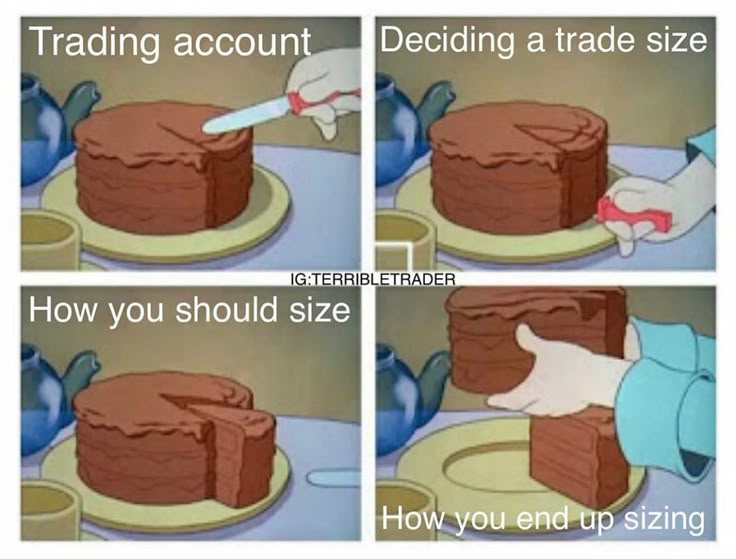
Successful traders don’t take wild bets. They have rules. One of the most important? Never risk more than 1-2% of your capital on a single trade.
Don’t be that guy.
It’s simple math. If you go all-in on one trade and it tanks, your entire account takes a hit. But by managing risk, you ensure that a single bad trade doesn’t wipe you out.
Use Stop-Loss Orders—And Don’t Second-Guess Them
No trader wants to take a loss, but holding onto a bad position, hoping for a reversal, is a fast track to bigger losses. That’s why stop-loss orders aren’t optional—they’re essential.
Set a stop-loss based on technical levels, market conditions, and your personal risk tolerance. Then stick to it. The goal isn’t to be right all the time—it’s to make sure that when you’re wrong, the damage is minimal.
Pain is temporary. Trading without a stop loss? A lifelong lesson.
Because markets don’t always move the way you expect.
Putting everything into one asset, one trade, or one strategy might work—for a while. But long-term success comes from spreading risk. That could mean balancing different asset classes, currency pairs, or even trading strategies.
Diversification doesn’t eliminate risk, but it ensures you’re not overly exposed to a single market event.
Make Sure Every Trade is Worth It
A well-planned trade isn’t just about how much you might win—it’s also about how much you’re willing to lose to get there.
A risk-reward ratio of at least 1:2 means that for every $1 you risk, you have the potential to make $2. Sticking to this mindset prevents you from taking impulsive, low-reward trades that aren’t worth the downside.
The Best Traders Know When to Walk Away
Sometimes, the best trade is no trade at all. If market conditions look unpredictable, if a setup isn’t quite right, or if emotions are clouding your judgment, stepping back is the smartest move.
Risk management isn’t just about protecting your money—it’s about protecting your mindset. A trader who burns out or lets emotions take over won’t last long. The ones who do? They trade with discipline, patience, and a clear plan.
No strategy, no indicator, no market insight will work without strong risk management. It’s what keeps you in the game, lets you take opportunities with confidence, and ensures that even on bad days, you live to trade another.
If you’re serious about trading, make risk management your priority. Because in the long run, it’s not just about making money—it’s about keeping it.
A spokesperson from the Chinese foreign ministry responded to tariffs imposed by the U.S. on China regarding the fentanyl issue. The spokesperson stated that addressing this problem requires consultation based on equality and mutual respect.
They further asserted that if the U.S. is pursuing a confrontational approach, China is prepared to respond accordingly to any form of conflict.
Economic Relations And Fairness
The comment from the foreign ministry calls attention to a broader pattern in economic relations. The statement suggests that any effort to resolve disputes must be based on fairness and dialogue rather than one-sided measures. That stance implies that attempts to pressure China could result in stronger pushback rather than cooperation.
This kind of rhetoric from officials is not new, but the firm wording serves as a reminder that tensions between the two economies are not easing. If anything, it indicates that trade measures will continue to be met with direct responses rather than quiet acceptance. Given past actions, that could mean countermeasures in various industries, which might not be immediate but could emerge over time.
From our perspective, such developments do not operate in isolation. Broader shifts in policy between the U.S. and China tend to spill over into market movements, particularly in commodities, currencies, and industrial sectors closely tied to cross-border trade. Traders should be aware that threats of retaliation are not always empty words. They frequently translate into real policy adjustments, which in turn affect pricing, expectations, and risk calculations.
Past responses to similar disputes suggest that measures could involve targeted restrictions on certain goods, adjustments in regulatory oversight, or even indirect financial mechanisms designed to counteract imposed tariffs. Timing is often difficult to nail down, but historical patterns show that China tends to act when it perceives its position to have been directly challenged in a way that undermines its economic or political standing.
Monitoring Diplomatic Language
For those assessing potential impacts, attention should be given to official comments coming from both governments in the days ahead. Specific phrasing in responses can indicate whether the situation is escalating towards harsher actions or if there is room for discussions to reduce pressure. Market sensitivity to such statements often results in quick price reactions, even before policies take effect.
Changes in sentiment are sometimes enough to alter trading patterns well in advance of actual economic shifts. Monitoring how media within China frames the discussion may provide additional signals about the likely direction of future steps. The language used internally to describe U.S. policy often differs from that used in direct diplomatic interactions, offering insight into whether public positioning is being hardened or left with room for adjustment.
Broader economic indicators should not be overlooked either. If tensions continue to rise without resolution, the effects will not remain confined to isolated sectors. Larger disruptions in financial flows, investment decisions, and trade allocations could emerge, influencing multiple asset classes in ways that extend beyond short-term fluctuations.
Canada’s Foreign Minister Joly has indicated that the country may consider using oil and gas exports as a response to ongoing US tariffs. This approach has been referenced since the initial imposition of tariffs by former President Trump.
What this means, in no uncertain terms, is that Canada is weighing energy exports as leverage in trade discussions. Foreign Minister Joly has pointed to oil and gas as possible countermeasures. This is not a new idea—tariffs imposed during the Trump administration sparked earlier conversations about such a strategy.
Impact On Energy Markets
For traders, this is not just rhetoric. Canada remains one of the largest energy suppliers to the United States, and any disruption or shift in policy could affect prices. If Ottawa moves ahead with restrictions or finds alternative buyers, prices in both North American crude and gas markets would react. Those with exposures tied to these commodities need to factor this into upcoming decisions.
The timing of this statement is just as telling. Recent tariff announcements from Washington indicate growing friction between the two nations. If Canada escalates, it would not be the first time energy has been used in a wider trade dispute. History provides multiple examples of countries leveraging natural resources in response to economic measures. Production levels, export commitments, and logistical dependencies between the two economies must now be examined closely.
This is not an isolated issue. Broader shifts in energy policy, ongoing supply concerns, and global demand fluctuations will play a role in how this develops. If Canada signals a firmer stance, market reactions could extend beyond North America. Those making forward-looking positions should also consider how other energy-exporting nations might respond.
Future Considerations
Joly’s remarks do not mean immediate action, but they do indicate that Canada is weighing its options seriously. Any further statements from Ottawa, especially from ministries overseeing trade and energy, should be watched carefully. Pricing movements, hedging strategies, and long-term commitments in oil and gas markets could all be affected depending on how this unfolds.
Canada’s Deputy Prime Minister and Minister of Finance, Chrystia Freeland, stated that discussions with the USA about tariffs are currently ongoing. She noted that the situation is very dynamic, with more updates expected to be released after the stock market closes.
Freeland’s comments highlight that trade policy discussions between Canada and the United States remain active. The mention of ongoing talks implies there is potential for adjustments, which could affect market conditions. The timing of future announcements, set for after markets close, suggests that authorities are aware of the possible market reaction and are attempting to minimise volatility during trading hours.
Impact Of Trade Tariffs
Market participants should not overlook the weight of these discussions. Trade tariffs have long influenced the relationship between both countries, shaping business costs and supply chains. If any new measures are introduced or adjusted, they could directly impact prices, influencing a broad range of sectors. Liquidity conditions may shift as a result, requiring careful evaluation of the potential effects these policy decisions may have on short-term price movements.
Freeland’s remarks suggest that updates will arrive soon. With confirmed developments expected, there is little reason to speculate on incomplete information. Instead, staying prepared for any policy shifts by examining past tariff decisions and their impact on markets may be the most sensible course of action. If past cases are any indication, shifts in trade policy have tended to cause short bursts of uncertainty before the details settle into market pricing.
In the current setting, attention should also be directed towards how the US administration approaches this issue. Washington’s stance will likely influence the pace and direction of future negotiations. Should any measures be announced, reviewing the broader policy direction from both governments will provide deeper insight into how these potential decisions align with previous patterns.
Market Reactions And Future Outlook
It remains necessary to observe how related assets react once the official announcements come through. Reactions from key officials in both governments might further clarify intentions and potential next steps. Actions taken in the coming days could set expectations for future trade relations between the two countries. Ensuring that decisions are driven by available facts rather than speculation will make navigating any changes far more manageable.
USD/CAD has decreased by 51 pips to 1.4337, reaching its lowest levels of the week. Market sentiment appears optimistic as anticipation builds around US tariffs on Canada.
The pair has dropped 200 pips since the announcement of potential levies on Canada and Mexico. A double top was identified at 1.4540, and the current movement has breached previous weekly lows, suggesting a potential target of 1.4200.
Market Confidence And Trade Policies
This decline reflects mounting confidence that the proposed tariffs could weigh on the US dollar against the Canadian dollar. Despite broader strength in the dollar against other currencies, pressure on USD/CAD has increased following the initial announcement. Market participants are reassessing the implications of trade policies, focusing on how potential restrictions might affect supply chains, pricing, and overall trade dynamics between the two economies.
Technical patterns play a critical role in these movements. The double top formation near 1.4540 signals a resistance level that the pair failed to break, reinforcing downward momentum. Now that previous weekly lows have been broken, bearish sentiment is gaining traction. If selling continues, 1.4200 appears well within reach. Traders might look for signs of exhaustion in this move, but until a reversal pattern forms, downside risks remain.
Volatility in this pair does not occur in isolation. While trade policies receive much attention, changes in expectations for interest rates could introduce competing forces. The Bank of Canada’s stance on monetary policy remains aligned with inflation concerns, and recent data has pointed to persistent pricing pressures. Should the central bank maintain a firm tone, this would support the Canadian dollar further. On the other hand, if incoming data softens, rate-cut expectations could limit the current trend.
Meanwhile, US data releases in the coming weeks will offer more clarity on the Federal Reserve’s path forward. Inflation figures, employment reports, and consumer sentiment indicators will help shape interest rate expectations, which directly impact the dollar’s direction. If markets begin pricing in a more accommodative stance from policymakers, downward pressure on USD/CAD could accelerate. However, any surprise resilience in US economic data may counteract the current trajectory.
Short Term Trading Considerations
Short-term traders are likely keeping a close eye on momentum indicators and support levels. With 1.4200 emerging as a near-term target, reactions near that level will determine whether the move extends further or finds a temporary floor. If sellers maintain control, further declines could expose areas not seen in months. However, should buyers step in with conviction, a retracement toward prior resistance is not out of the question.
Broader sentiment remains skewed in favour of the Canadian dollar for now, but external factors could introduce unexpected shifts. Trade negotiations, central bank communications, and incoming data all hold the potential to disrupt prevailing trends. In the meantime, technical signals provide a structured framework for assessing potential turning points in the days ahead.
Crude oil prices fell by 2.88% today, settling at $66.31, a decrease of $1.95. This drop marks the largest since November 25, driven by concerns over a tariff-related economic slowdown.
OPEC+ plans to resume halted production in April, adding 138,000 barrels per day to global supply, which adds additional pressure on prices. The decline briefly tested the September 2024 low of $65.27 before recovering slightly at settlement.
Key Support Levels
Key support levels are at $65.27, $64.36, and $63.64. If prices can break above the November low of $66.53, it may encourage buyers and lead to further upward movement.
The decline in crude oil prices reflects deeper concerns about future demand, especially as the possibility of slower economic growth influences market sentiment. A 2.88% drop is no small movement, particularly given that it represents the steepest single-day fall in over three months. The latest downward shift was fuelled by worries that tariffs may restrain economic activity, cutting into consumption forecasts. As a result, selling pressure accelerated, pushing the market dangerously close to breaking key technical levels.
Production decisions by OPEC+ remain a central factor in how supply expectations shape the pricing environment. With an additional 138,000 barrels per day set to enter global markets from April, more downward pressure could emerge, particularly if demand projections weaken further. The temporary dip to $65.27 earlier today—matching the low from September—demonstrates how traders reacted swiftly to shifting fundamentals, though a modest recovery by the close signals some hesitancy among sellers.
Market Sentiment And Future Outlook
For now, price levels at $65.27, $64.36, and $63.64 act as areas where buying interest may return if selling continues. A failure to hold above these figures could attract further momentum from bearish participants. However, should prices reclaim $66.53—the lowest point from November—sentiment may improve as buying strengthens. If that happens, it would likely reinforce a view that recent declines were excessive, setting up the potential for more gains.
The coming weeks demand greater attention to supply changes and tariff-related economic signals. Any new developments could provoke fresh volatility, testing the resolve of those positioning for either a rebound or further losses. With OPEC+ expected to reintroduce supply soon, positioning will need to account for both immediate technical considerations and shifting long-term expectations.
The White House indicated that Trump is willing to consider further tariff exemptions. Market reactions are anticipated as developments unfold.
Canada has lodged a complaint with the World Trade Organisation, although its effectiveness is questioned. There are also suggestions that Democrats may initiate a vote in the House concerning emergency tariffs.
Potential Tariff Exemptions
The statement from the White House suggests that there may be room for negotiation on tariff exemptions, meaning some industries or trade partners could be spared from added costs. This flexibility introduces an element of uncertainty into the market, as participants now have to assess both which exemptions might be granted and how long it might take for them to be confirmed. If businesses believe that additional exemptions will follow, they may adjust pricing models and supply chain commitments accordingly.
The complaint from Canada, while notable, does not guarantee immediate changes. Past filings with the World Trade Organisation have demonstrated that disputes of this nature often take months or even years to reach a resolution, limiting their short-term effect on market pricing. Given that timing plays a central role in trade-based forecasts, the effectiveness of such a legal challenge remains questionable in terms of shifting sentiment in the coming weeks.
Meanwhile, opposition lawmakers appear to be considering a vote to push back against emergency tariffs. Should this effort gain traction, traders will need to assess its likelihood of success. Political pressure alone may not be enough to force a reversal, particularly given divided support on trade policies. However, if the proposal progresses through preliminary stages, market reactions could follow.
Market Volatility Considerations
Taken together, these factors contribute to near-term volatility. Existing positions will need to account for the potential back-and-forth between government decisions and industry responses. With tariffs, legal challenges, and legislative efforts all unfolding at once, pricing models must reflect the possibility of quick adjustments. Those who rely on price stability in key sectors will need to keep an eye on policy statements, as any shift in tone from leadership figures could cause protective measures or speculative positioning to rise.
The White House confirmed that a one-month exemption for automobiles under the USMCA will be implemented. This decision follows discussions with major auto manufacturers, allowing them to avoid reciprocal tariffs set to take effect on April 2.
Additionally, concerns were raised regarding fentanyl trafficking from Canada, prompting the need for consequences. Currently, while autos are subject to reciprocal tariffs, there are no existing tariffs on autos within the USMCA framework, leading to some confusion regarding foreign parts in vehicles.
Temporary Relief For Automakers
The decision to grant a one-month exemption for automobiles under the USMCA offers temporary relief to car manufacturers that had anticipated additional costs from retaliatory tariffs. By delaying these measures, companies have a short window to adjust their operations or seek further negotiations. The discussions preceding this decision suggest that industry concerns were taken into account, though the broader trade conditions remain unchanged.
This adjustment means some immediate price hikes expected from tariff enforcement will not materialise just yet. However, this does not alter the fundamental aspect of the agreement, which still lacks a direct provision for auto tariffs under normal circumstances. As a result, questions persist regarding how vehicles with a mix of foreign and domestic components will be classified in the future. Any further modifications to the agreement could alter sourcing decisions and production strategies moving forward.
Beyond trade matters, attention has shifted to fentanyl trafficking concerns, particularly from Canada. Officials have made it clear that measures will be taken in response. While specifics remain open-ended, the indication that consequences are forthcoming suggests enforcement actions or policy shifts could be introduced soon. Precisely how these developments will affect broader diplomatic and economic relations remains uncertain, but it is clear that trade and security considerations now overlap in North American discussions.
Monitoring Future Developments
For those monitoring exchanges in the coming weeks, staying attuned to any extensions, adjustments, or retaliatory responses is essential. A delay does not equate to a resolution, and the possibility of long-term modifications to how tariffs are applied still lingers. With a clear signal from authorities that enforcement remains on the table, any future shifts will need to be factored into expectations.