Optimistic Data Spurs Stock Market Rise Amid Inflation Concerns

Stocks experienced a notable upswing on Wednesday as investors found hope in newly released data indicating the Federal Reserve’s potential to manage inflation without triggering a recession in the U.S. economy.

The S&P 500 reached its highest level of the year 2023, reflecting the overall positive sentiment in the market. Bank stocks, including Citigroup and Goldman Sachs, saw significant gains, contributing to the upward momentum.

Although the consumer price index for June rose 3% year-over-year, it fell slightly below economists’ expectations, while the core CPI, which excludes volatile food and energy prices, also rose less than anticipated.

While this was viewed as a positive sign, analysts emphasized that the Federal Reserve remains vigilant about areas such as service inflation, wage inflation, and housing inflation, which still persist at uncomfortably high levels.

Investors are closely watching both the consumer price index and the producer price index for insights into future interest rate adjustments by the Federal Reserve. The market currently indicates a strong probability of approximately 92% for a Fed interest rate increase during the July meeting.

As the economy continues to navigate the path of inflation, analysts remain cautiously optimistic, acknowledging that despite positive developments, the Federal Reserve’s decision to cut rates is not yet certain.

The market eagerly awaits the release of the upcoming producer price index data for June, which will provide further clarity on inflation trends and potentially impact the central bank’s future moves regarding interest rates.

All sectors' performance showing positive performance amid inflation concerns.

Data by Bloomberg

On Wednesday, the stock market showed positive performance across various sectors. The Communication Services sector saw the highest gain, rising by 1.51%, followed closely by Utilities with a 1.47% increase. Materials and Information Technology sectors also performed well, both gaining 1.29% and 1.25% respectively.

Consumer Discretionary and Energy sectors saw moderate gains of 0.96% and 0.90% respectively. Financials and Real Estate sectors experienced smaller increases of 0.63% and 0.44% respectively. Consumer Staples sector had a modest gain of 0.23%. However, Industrials and Health Care sectors faced slight declines, dropping by 0.20% and 0.28% respectively.

Major Pair Movement

On Wednesday, the U.S. dollar index dropped by 1% as the U.S. CPI data came in below expectations. This led to a significant decrease in Treasury yields and pushed the dollar below its prior lows for 2023. Two-year Treasury yields fell by 15 basis points, outpacing the 12 basis point drop in 10-year yields. This shift in yields suggests a potential signal that the Federal Reserve’s hiking cycle may be coming to an end.

The CPI data, along with a relatively positive beige book report, did not change the market’s expectation of a 25 basis point rate hike in July, which has been priced in since the Fed’s pause in June. However, it did reduce the likelihood of further tightening and increased expectations of rate cuts in 2024 by at least 150 basis points.

The euro to U.S. dollar exchange rate (EUR/USD) increased by 1.1% following a breakout above its prior peak for 2023. EUR/USD is approaching its pivotal 200-week moving average at 1.1183, but further disinflationary U.S. data and the Fed’s stance on 2024 rate cuts may impact its future movements.

The U.S. dollar to Japanese yen exchange rate (USD/JPY) fell by 1.47%, trading below June’s low. It briefly dipped below the 38.2% retracement level of its uptrend for 2023. While USD/JPY is oversold on daily studies, there is a possibility of a corrective bounce if it fails to indicate further decline and closes above 138.25.

The significant recovery of the yen could reduce the need for the Bank of Japan (BoJ) to raise its cap on 10-year JGB yields. As a result, pricing by the Fed and Treasury yields remain crucial factors. Sterling (GBP) rose by 0.44%, but its boost was smaller compared to EUR/USD, as it had already broken out above its prior peak for 2023 earlier in the week.

Picks of the Day Analysis

EUR/USD (4 Hours)

EUR/USD Surges on Weakening US Dollar Amidst Inflation Data, Awaited Economic Reports and Central Bank Minutes

The EUR/USD extended its upward momentum, driven by a sharp decline in the US Dollar following disappointing US inflation data. The pair reached monthly highs as Treasury yields dropped and stocks rallied on Wall Street, boosting risk sentiment.

Market participants anticipate the Federal Reserve’s rate hike in July, but the lower-than-expected inflation figures have sparked optimism that this could be the final increase. Traders are now eagerly awaiting the US Producer Price Index report and the European Commission’s economic forecast, Industrial Production data, and the release of the European Central Bank’s latest meeting minutes.

With ongoing volatility, the pair faces the potential for both continued gains and significant corrections.
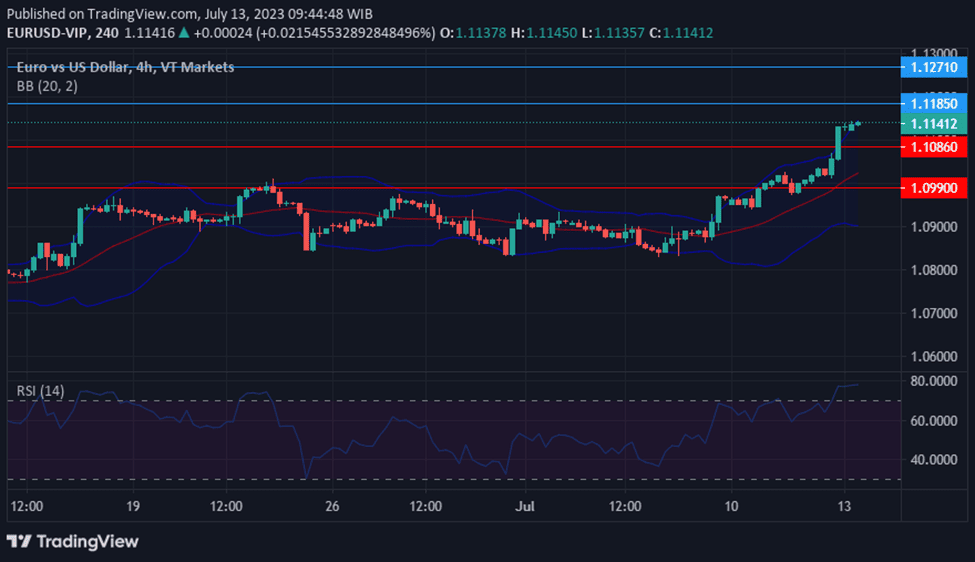
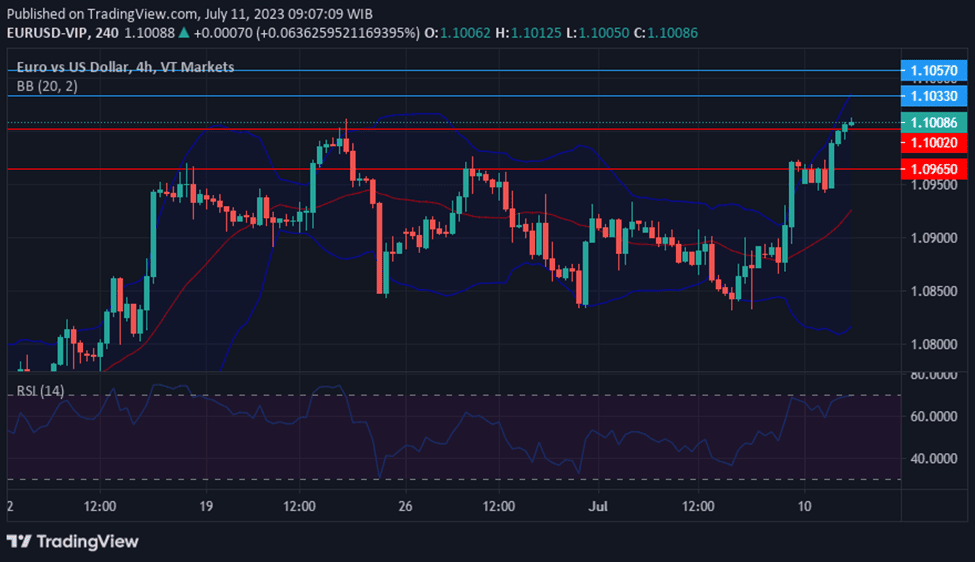
EURUSD surges on weakening US dollar amidst inflation data.

Chart EURUSD by TradingView

According to technical analysis, the EUR/USD pair is experiencing an upward movement on Wednesday, pushing towards the upper band of the Bollinger Bands. Presently, the price is still near the upper bands of the Bollinger Bands, and the bands themselves indicate the potential for further upward movement.

This suggests that the price has the potential to reach the upper band of the Bollinger Bands. Additionally, the Relative Strength Index (RSI) is currently at 78, which is within the overbought area, indicating a bullish trend for the EUR/USD.

Resistance: 1.1185, 1.1271

Support: 1.1086, 1.0990

XAU/USD (4 Hours)

Gold (XAU/USD) Surges as Disappointing US Inflation Data Weighs on Dollar

XAU/USD experienced a strong rally, hitting an intraday high of $1,959.30 per troy ounce during the American session, as the US Dollar faltered due to lower-than-anticipated inflation figures. The Consumer Price Index (CPI) for June rose by a modest 0.2% month-on-month, falling short of the expected 0.3%, while the year-on-year CPI increase was 3%.

Additionally, the core annual reading came in at 4.8%, both below forecasts, indicating a continued easing of price pressures. This development bolstered risk appetite, leading to a surge in global stocks and further weakening of the US Dollar across foreign exchange markets.

The prospect of a potential shift in the Federal Reserve’s tightening cycle gained traction, suggesting a potential easing or conclusion of rate hikes, which could potentially mitigate the risk of a severe recession in the United States.
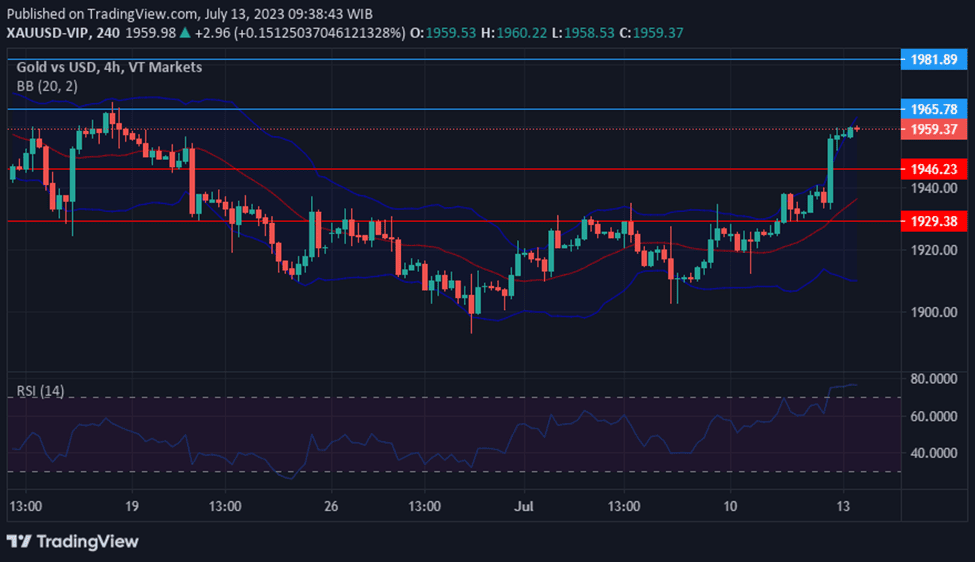
XAUUSD surges as disappointing US inflation data weighs on Dollar

Chart XAUUSD by TradingView

According to technical analysis, the XAU/USD pair underwent an upward movement on Wednesday, pushing towards the upper band of the Bollinger Bands. Currently, the price is close to the upper bands of the Bollinger Bands, and the bands themselves suggest the possibility of further upward movement.

This indicates the potential for the price to reach the upper band of the Bollinger Bands. Furthermore, the Relative Strength Index (RSI) is currently at 76, within the overbought area, indicating a bullish trend for the XAU/USD.

Resistance: $1,965, $1,981

Support: $1,946, $1,929

Economic Data
CurrencyDataTime (GMT + 8)Forecast
GBPGross Domestic Product m/m14:00-0.3%
USDUnemployment Claims20:30251K
USDProducer Price Index m/m20:300.2%
USDCore Producer Price Index m/m20:300.2%

Start trading now — click here to create your live VT Markets account.

七月期货合约展期通知 – 2023年07月12日

尊敬的用户:

您好!

VT Markets 平台的期货产品:VIX (恐慌指数) , CL-OIL (西德州原油期货) , FRA40ft (巴黎 CAC 40期貨) , UKOUSDft (布兰特原油期货) , HK50ft (港指期货) , CHINA50ft (新华富时 A50期货) 即将于以下时间展开新合约,如持仓过夜将会收取展期费用。

由于并非市场因素所造成的价格波动,若投资者的仓位于合约切换期间包含期货原油的未平仓头寸,将依据展期方向产生相应的费用扣补,以此反映新旧合约之间的价差。

请留意:

• 展期时,合约将自动切换,所有持仓中的订单将可继续持有。

• 展期日未平仓的订单将通过展期费进行调整,以反映到期合约和新合约之间的价格差异。

• 为避免差价合约展期,客户可以选择在展期日之前关闭任何未平仓的订单。

• 投资者应在展期前妥善控制仓位或调整相应的止盈止损设置。

• 同时,由于展期需做调整,在展期当天开盘前后半小时,我们会禁止所有同名账户内部转账。

如您有任何疑问,我们的团队将十分乐意为您解答。
请留言或发邮件至 [email protected] 或联系在线客服。

US Stocks Rise as Traders Await Inflation Data

U.S. stocks experienced a rebound on Tuesday, following a three-session decline, as investors eagerly awaited the release of crucial inflation data later in the week. The Dow Jones Industrial Average closed with a 0.93% gain, rising by 317.02 points to reach 34,261.42.

Similarly, the S&P 500 ended the day with a 0.67% increase at 4,439.26, while the Nasdaq Composite, focused on technology, gained 0.55% and closed at 13,760.70.

In related news, Salesforce’s stock soared by almost 4% after the company announced its plans to implement a price increase across all its offerings in August.

Furthermore, Activision Blizzard witnessed a 10% surge in its shares following a federal judge’s decision to deny the Federal Trade Commission’s request to halt Microsoft’s acquisition of the video game company. This ruling brought the two companies closer to finalizing their deal.

The upcoming release of the June consumer price index report on Wednesday and the June producer price index on Thursday is expected to provide insights into the trajectory of inflation and guide the future direction of interest rates.

Economists surveyed by Dow Jones project a 3.1% rise in the index on a year-over-year basis for last month. While investors anticipate another quarter-point increase at the Federal Reserve’s July meeting, uncertainty looms regarding the central bank’s actions in September, particularly after robust jobs data raised concerns about a potential resumption of rate hikes.

Looking ahead, the second-quarter earnings season is set to commence, with key reports expected from “systemically important financial institutions” such as JPMorgan Chase, Wells Fargo, and Citigroup, as well as BlackRock, PepsiCo, Delta Air, and UnitedHealth, a component of the Dow index, which will release its earnings on Friday.

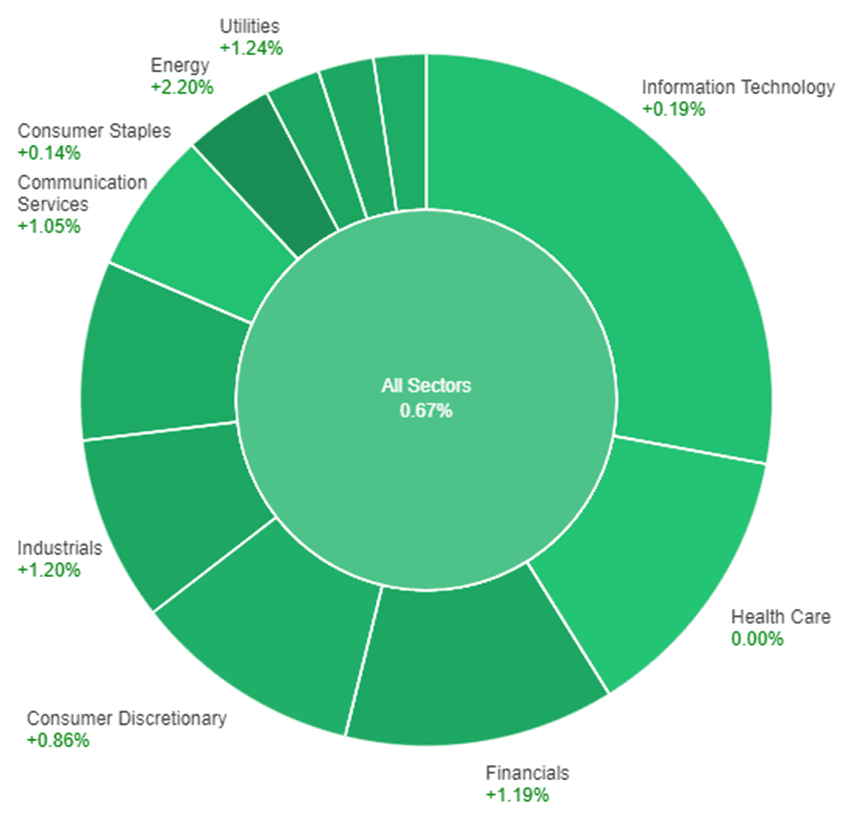
All sectors performance showed a positive trend with a 0.67% increase.

Data by Bloomberg

On Tuesday, across all sectors, the stock market showed a positive trend with a 0.67% increase. The Energy sector performed exceptionally well, rising by 2.20%. Utilities and Industrials also experienced notable gains, with increases of 1.24% and 1.20% respectively.

Financials, Real Estate, and Communication Services sectors saw healthy gains of 1.19%, 1.17%, and 1.05% respectively. Materials and Consumer Discretionary sectors also contributed to the positive sentiment, with increases of 0.97% and 0.86% respectively.

However, the Information Technology and Consumer Staples sectors had more modest gains of 0.19% and 0.14% respectively. The Health Care sector remained relatively stable, showing no change at 0.00%.

Major Pair Movement

This downward trend comes ahead of the U.S. Consumer Price Index (CPI) report on Wednesday, with market sentiment remaining skeptical about the Federal Reserve’s ability to raise interest rates beyond one more hike, especially as other central banks are moving forward with their tightening cycles.

The upcoming inflation report will be closely watched to shape expectations regarding the Fed’s actions, which will have a significant impact on the value of the dollar. Forecasts indicate that the CPI is expected to decrease from 4.0% to 3.1%, mainly due to a favourable base effect that will turn unfavourable after July.

Additionally, on a monthly basis, a 0.3% increase is anticipated for both the CPI and core inflation, compared to 0.1% and 0.4% respectively in May. The year-on-year rate is projected to slide from 5.3% to 5.0%.

It’s worth noting that core inflation reached its peak last year in October, which will reduce the impact of the Fed-friendly base effect as we approach the end of the year. Regarding currency pairs, the EUR/USD remained stable after breaking above June’s peak and preparing for a pullback before the CPI release.

If the CPI results maintain the bund-Treasury yield spreads on the rebound, the next significant obstacle for the EUR/USD would be April’s 2023 peak at 1.1096. Market expectations currently include at least two additional 25bp European Central Bank (ECB) rate hikes before reaching a plateau, while the Federal Reserve rates are predicted to decrease by 1% between November and September of next year.

External factors like China’s actions and Brent crude oil prices reaching 10-week highs may influence growth, inflation, and currency movements. Furthermore, sterling experienced a substantial increase of 0.45%, reaching its highest level since April 2022 and approaching 76.4% of the dive observed in 2022-23 at 1.2941.

The market has priced in an additional 150bp of Bank of England (BoE) rate hikes by March. USD/JPY also saw a 0.6% increase following its recent decline, with expectations of a potential recovery in the coming months.

Picks of the Day Analysis
EUR/USD (4 Hours)

EUR/USD Gains Momentum Ahead of US Inflation Data

The EUR/USD pair rallied to a two-month high at 1.1027 before retracing slightly and finding support around 1.0980. Later, it regained strength above the 1.1000 level as the US Dollar weakened, while market participants eagerly awaited crucial US data.

Tuesday’s German ZEW survey revealed a decline in expectations and current conditions, aligning with a contraction in economic activity in the Eurozone. With the final German inflation numbers unchanged and an empty calendar for Wednesday, all eyes are now focused on the release of the US Consumer Price Index (CPI) for June.

Analysts anticipate a 0.3% monthly increase, a drop in the annual rate from 4% to 3.1%, and a decrease in the core index from 5.3% to 5%. The outcome of this data will likely impact market sentiment and potentially determine whether the EUR/USD pair can maintain its bullish bias or face downward pressure as attention shifts to the struggling Eurozone economy.

EUR/USD gains momentum ahead of US Inflation Data.

Chart EURUSD by TradingView

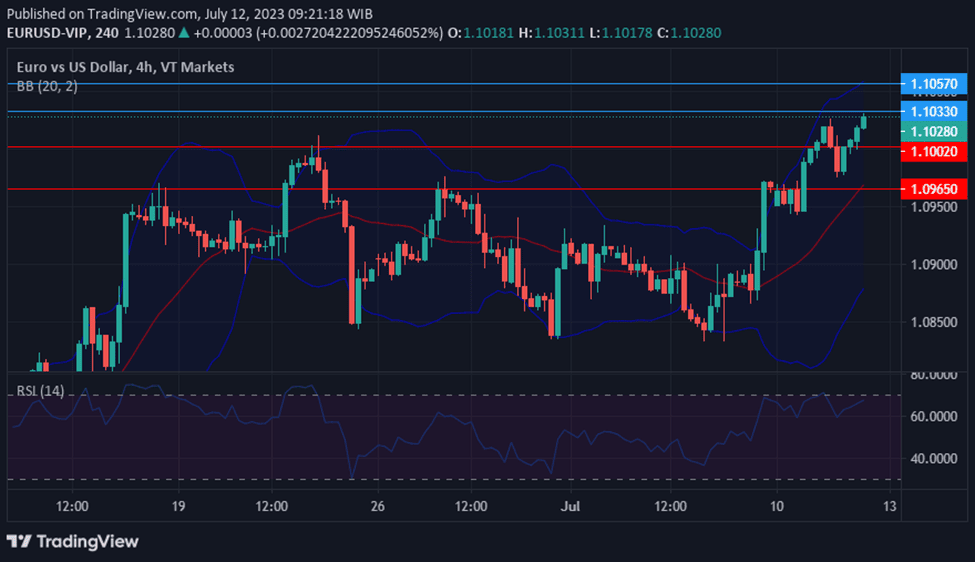
According to technical analysis, the EUR/USD pair experienced an upward movement on Tuesday, although it has not yet reached the upper band of the Bollinger Bands. Presently, the price is situated between the middle and upper bands of the Bollinger Bands, while the bands themselves are indicating a likelihood of further upward movement.

This suggests the potential for the price to reach the upper band of the Bollinger Bands. Additionally, the Relative Strength Index (RSI) currently stands at 69, further indicating a bullish trend for the EUR/USD.

Resistance: 1.1033, 1.1057

Support: 1.1002, 1.0965

XAU/USD (4 Hours)

Gold (XAU/USD) Prices Rise as Market Eyes US CPI Data Amidst Dollar Demand

Gold prices experienced an early advance on Tuesday, reaching a nearly month-long peak at $1,938.45. However, renewed demand for the US Dollar caused XAU/USD to trade in the $1,930 range during the American session.

The positive market sentiment, fueled by easing government bond yields and a favourable tone in equities during Asian trading, initially weakened the US Dollar. Nevertheless, the dollar rebounded despite this sentiment carrying over throughout the various sessions.

While Wall Street continues to extend its gains from Monday, financial markets remain cautious ahead of the release of the US Consumer Price Index (CPI). Analysts expect a 0.3% increase in inflation for June, compared to a modest 0.1% in May.

The annual figure is anticipated to be at 3.1%, down from the previous 4%, with the core annual reading predicted to decrease to 5% from 5.3% in the previous month. These CPI figures hold significance as they could provide insights into the future monetary policy decisions of the Federal Reserve (Fed).

Higher-than-expected inflation readings may prolong the central bank’s tightening measures, potentially strengthening the US Dollar across the board as investors seek safe-haven assets.

XAUUSD prices as market eyes US CPI Data amidst dollar demand.

Chart XAUUSD by TradingView

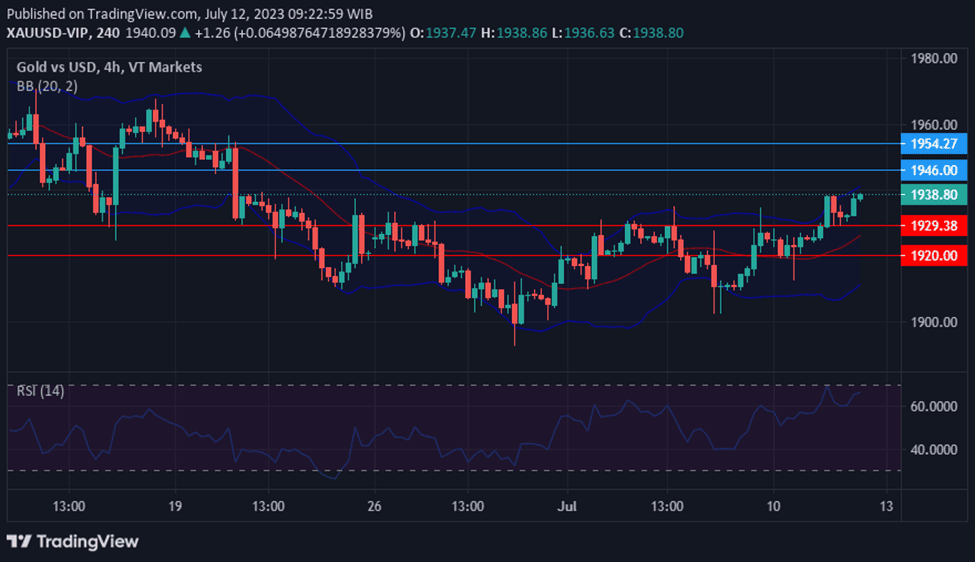
According to technical analysis, the XAU/USD pair is moving higher on Tuesday, creating upward momentum towards the upper band of the Bollinger Bands. Currently, the price is slightly below the upper band, suggesting the possibility of further upward movement today that could potentially breach the upper band. The Relative Strength Index (RSI) is currently at 69, indicating a potential bullish movement for XAU/USD.

Resistance: $1,946, $1,954

Support: $1,929, $1,920

Economic Data
CurrencyDataTime (GMT + 8)Forecast
NZDOfficial Cash Rate10:005.50% (Actual)
USDConsumer Price Index y/y20:303.1%
USDConsumer Price Index m/m20:300.3%
USDCore CPI20:300.3%
CADOvernight Rate23:005.00%

Wall Street Rebounds as Dow Rises and Investors Await Inflation Data and Earnings Season Kickoff

The Dow Jones Industrial Average rebounded on Monday, recovering from a previous week of losses. Investors were optimistic ahead of upcoming inflation data and the start of the second-quarter earnings season.

The Dow rose by 0.62%, adding 209.52 points, while the S&P 500 increased by 0.24%, and the Nasdaq Composite saw a gain of 0.18%. This positive momentum ended a three-day losing streak for the major averages.

The consumer price index report is scheduled for Wednesday, followed by the producer price index on Thursday, which will provide further insights into inflation and wholesale price pressures.

Last week, the S&P 500, Nasdaq Composite, and Dow experienced declines of 1.16%, 0.92%, and 1.96%, respectively. Despite weaker-than-expected nonfarm payrolls in June, concerns over potential Federal Reserve rate hikes were raised due to slightly stronger-than-anticipated wage growth.

However, investors will be closely watching the quarterly reports of finance giants BlackRock, JPMorgan Chase, Wells Fargo, and Citigroup, which will mark the beginning of the second-quarter earnings season.

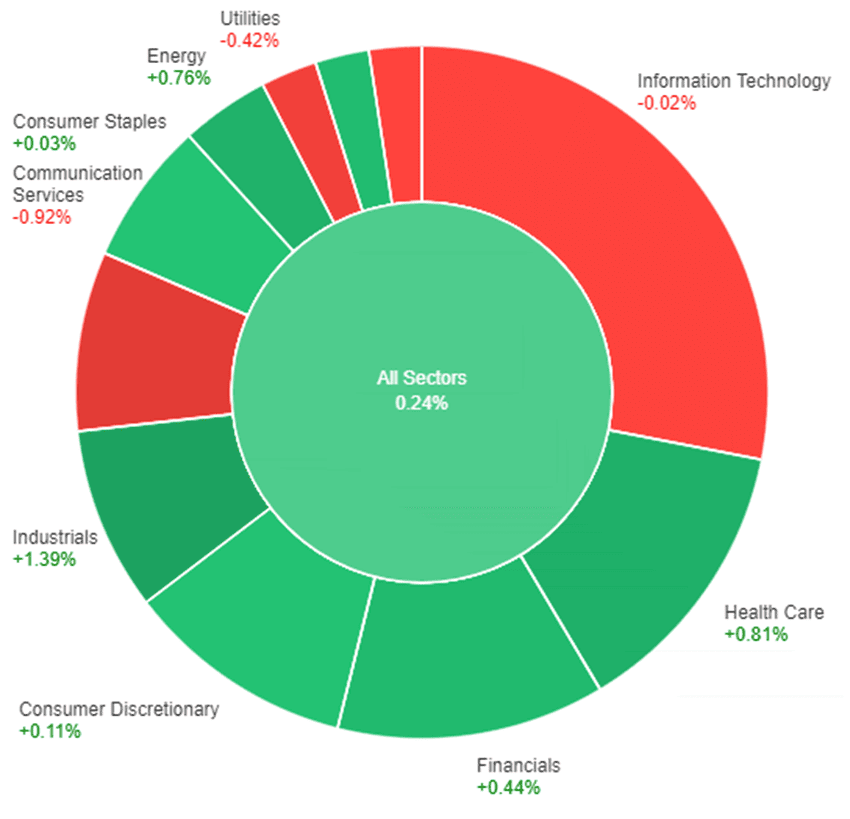
All sector performances had an overall increase of 0.24%.

Data by Bloomberg

On Monday, all sectors in the market saw a modest overall increase of 0.24%. The Industrials sector performed the best, gaining 1.39%, followed by Health Care with a rise of 0.81% and Energy with a gain of 0.76%. Financials also had a positive day, increasing by 0.44%, while Real Estate and Consumer Discretionary sectors experienced smaller gains of 0.35% and 0.11% respectively.

Consumer Staples had a minimal increase of 0.03%. On the other hand, Materials and Information Technology sectors had slight declines of -0.01% and -0.02% respectively. Utilities and Communication services sectors performed the worst, with declines of -0.42% and -0.92% respectively.

Major Pair Movement

The dollar index experienced a decline of 0.29% as last week’s disappointing payrolls report continued to put pressure on Treasury yields, potentially leading to a further decrease in the U.S. currency. While Japanese Government Bond (JGB) and bund yields rose, Treasury yields fell, contributing to the downward trend.

Market sentiment was influenced by Fed speakers’ comments and a New York Fed survey indicating a decrease in household inflation expectations. The upcoming U.S. CPI report on Wednesday is highly anticipated, with the possibility that even a minor shortfall could result in a core inflation rate below 5%, which could support dovish views.

EUR/USD saw a gain of 0.26%, reaching its highest level since June, supported by a surge in the 2-year bund-Treasury yield spreads. Despite concerns about the eurozone investor mood and deflationary data from China, which could have negative implications for German businesses, the euro remained strong.

USD/JPY declined by 0.63% due to falling Treasury yields, with 10-year JGB yields approaching the Bank of Japan’s 50 basis points cap. The pair broke below key support levels, leaving speculators who were net long in a precarious position.

Sterling initially faced losses but eventually surpassed previous peaks, reaching its highest level since April 2022. Bank of England Governor Andrew Bailey emphasized the importance of combating UK inflation, which currently stands as the highest among the G7 countries.

AUD/USD and USD/CNH experienced minor declines of 0.2% and 0.02% respectively.

Picks of the Day Analysis
EUR/USD (4 Hours)

Weaker US Dollar Boosts EUR/USD as Market Awaits US Inflation Data

The EUR/USD pair continued its upward climb, propelled by a weaker US Dollar and positive momentum. The focus now turns to upcoming US inflation data, which is expected to shape the next direction for the pair. The US Dollar Index (DXY) fell to a three-week low, vulnerable to further losses due to declining inflation expectations and lower bond yields.

Additionally, the positive performance of Wall Street stocks exerted pressure on the US Dollar. Meanwhile, Eurozone data revealed a decline in the Sentix survey, suggesting weak GDP growth in the region.

Weaker US Dollar Boosts EUR/USD as Market Awaits US Inflation Data.

Chart EURUSD by TradingView

According to technical analysis, the EUR/USD pair moved higher on Monday and created a push to the upper band of the Bollinger Bands. Currently, the price is moving just below the upper band with still wider bands, indicating a potential for further upside towards the upper band of the Bollinger Bands. The Relative Strength Index (RSI) is currently at 69, suggesting a bullish trend is in for the EUR/USD.

Resistance: 1.1033, 1.1057

Support: 1.1002, 1.0965

XAU/USD (4 Hours)

Spot Gold (XAU/USD) Prices Slide Amid Market Mood Swings and US Inflation Expectations

Gold prices experienced a downward trend, briefly reaching a low of $1,912.66 during London trading hours but recovering some losses following the opening of Wall Street. The initial strength of the US Dollar was fueled by concerns over China-US tensions and their impact on global growth.

However, a more positive sentiment during American trading hours led to a weaker USD as US stock indexes rebounded. With limited action in equities due to the absence of significant data, XAU/USD remained largely unchanged for the day.

The market focus remains on central banks’ monetary policies, particularly the potential extension of tightening measures, driven by policymakers’ concerns about persistent inflation. The upcoming release of the June Consumer Price Index (CPI) in the United States is expected to provide fresh insights into the Federal Reserve’s future actions, making it a significant event for financial markets.

Gold (XAU/USD) Prices Slide Amid Market Mood Swings and US Inflation Expectations

Chart XAUUSD by TradingView

According to technical analysis, the XAU/USD pair is moving flat on Monday, between the middle band and the upper band of the Bollinger Bands. Currently, the price is moving in a flat movement, suggesting that there’s a possibility that the price will move in a tight consolidation. The Relative Strength Index (RSI) is currently at 56, indicating a neutral stance for XAU/USD with a slight potential bullish movement.

Resistance: $1,932, $1,946

Support: $1,920, $1,909

Economic Data
CurrencyDataTime (GMT + 8)Forecast
GBPClaimant Count Change14:0020.5K

Week Ahead: All Eyes on Central Banks Rate Decisions, and US CPI and PPI

Upcoming key focuses will be on the Central Banks Rate Decisions, US CPI and PPI.

The financial world is poised for some key events this week with the potential to shake up markets. Top of the agenda is the upcoming decisions from various central banks on their interest rates.

Alongside this, the focus will be on the US as it releases its latest Consumer Price Index (CPI) and Producer Price Index (PPI). These important data points could provide crucial insights into the current economic climate.

Stay tuned as we delve into what the coming week holds in store. 

Reserve Bank of New Zealand Rate Statement (12 July 2023)

The Reserve Bank of New Zealand raised its official cash rate by 25bps to 5.5% during its May meeting, marking the highest level since December 2008. This was the 12th consecutive rate hike.

Analysts predict that at the upcoming meeting on July 12, the RBNZ will keep its interest rates steady at 5.5%. 

US Consumer Price Index (12 July 2023)

Consumer prices in the US saw a slight rise of 0.1% in May 2023, a slowdown from the 0.4% increase witnessed in the previous month. 

Analysts anticipate a 0.2% rise for June 2023 data, scheduled for release on 12 July. 

Bank of Canada Rate Statement (12 July 2023) 

The Bank of Canada unexpectedly raised the target for its overnight rate by 25bps to 4.75% in June 2023, after pausing the tightening campaign in the previous two meetings. 

The next rate statement will be released on 12 July 2023, with analysts anticipating another increase of 25bps to 5%.

UK Gross Domestic Product (13 July 2023)

The British economy expanded 0.2% month-over-month in April 2023, rebounding from a 0.3% drop in the previous month. 

For May data, set to be released on 13 July, the country’s GDP is expected to be steady at 0.0%. 

US Producer Price Index (13 July 2023)

Producer prices for final demand in the US decreased 0.3% month-over-month in May 2023, following a 0.2% rise in April. 

For June 2023 data, set to be released on 13 July, analysts expect a 0.2% increase.

Prelim University of Michigan Consumer Sentiment (14 July 2023)

The University of Michigan’s consumer sentiment for the US was adjusted upwards to 64.4 in June 2023, its highest level in four months, up from an initial reading of 63.9. 

For July preliminary data, analysts expect a reading of 64.5.

Follow VT Markets for more Market Analysis

Stocks Slide as Better-Than-Expected Jobs Data Amplifies Economic and Rate Hike Concerns

Stocks experienced a significant decline on Thursday as the release of stronger-than-anticipated jobs data heightened investors’ apprehension about the state of the economy and the trajectory of interest rates.

The Dow Jones Industrial Average dropped 1.07%, or 366.38 points, closing at 33,922.26, while the S&P 500 and Nasdaq Composite fell by 0.79% and 0.82% respectively. This marked the worst daily performance for both the Dow and S&P 500 since May.

With just Friday’s session remaining in the holiday-shortened trading week, all three major indexes are on track to end the week in negative territory, with the Dow poised for a 1.4% decline, and the S&P 500 and Nasdaq facing losses of 0.9% and 0.8% respectively.

In June, the private sector witnessed a substantial increase of 497,000 jobs, according to data from payroll processing firm ADP, surpassing the Dow Jones consensus estimate of 220,000. This robust gain, the largest since July 2022, exceeded expectations by a wide margin, especially when compared to the downwardly revised 267,000-job addition in May.

The market’s reaction to this positive news indicates that investors may now anticipate a stronger employment report, potentially prompting the Federal Reserve to resume its interest rate hikes after a pause in June.

Traders are pricing in a 92% chance of a rate hike at the central bank’s upcoming meeting, as suggested by CME Group’s FedWatch tool. Amidst these concerns, the Labor Department’s report showing a larger-than-expected decline in job openings in May provides a glimmer of hope that the tight job market could be showing signs of loosening.

All sectors experiencing a broad decline.

Data by Bloomberg

On Thursday, the stock market experienced a broad decline across all sectors, with the S&P 500 index falling by 0.79%. The Information Technology sector showed the smallest decline at 0.16%, followed by Consumer Staples (-0.34%), Real Estate (-0.60%), and Materials (-0.71%).

Industrials and Health Care both dropped by 0.74% and 0.87% respectively. Financials and Communication Services had larger declines at 0.91% and 1.06% respectively, while Utilities experienced a more significant drop of 1.21%.

The Consumer Discretionary sector saw the largest decline of 1.65%. The Energy sector had the most substantial decrease, falling by 2.45% on Thursday. This widespread decline across sectors reflects the overall negative sentiment in the market on that day.

Major Pair Movement

USD/JPY experienced a 0.3% decline following a brief rally, as a combination of risk-off flows and caution ahead of the Non-Farm Payrolls (NFP) report limited gains. The pair struggled to reach the previous day’s high despite a temporary surge in 2-year Treasury yields, which retreated from the 16-year highs seen on Thursday.

The inability to sustain momentum, coupled with speculation surrounding potential Yield Curve Control (YCC) adjustments by the Bank of Japan’s Deputy Governor Uchida, weighed on USD/JPY. Market participants are now eagerly awaiting the NFP report, given the historically weak correlation between the ADP jobs data and the official payroll figures.

Positive outcomes on Friday could reinforce dip-buying strategies, while disappointing data may shift sentiment.

EUR/USD initially pierced the 10-day moving average and reached 1.0901 on EBS during early New York trading. However, the pair reversed course and turned negative as US yields and the US dollar rallied.

The market received a series of indicators pointing to a robust jobs market and a strong economy, subsequently increasing expectations for future Federal Reserve rate hikes, as implied by rates futures. The risk-off sentiment led to a decline in equities and gold prices, while USD/CNH saw gains.

Nevertheless, USD sellers emerged later, pushing EUR/USD into positive territory, hovering near 1.0880 by the end of the session. The formation of a daily doji candle reflects market indecision, with upcoming key data, particularly the US June jobs report and Average Hourly Earnings (AHE), poised to influence further direction. Should the data provide an optimistic outlook, EUR/USD bears may take control.

Picks of the Day Analysis
EUR/USD (4 Hours)

EUR/USD Rebounds from Three-Week Lows Amid Positive US Data, Lingering Downside Risks

The EUR/USD currency pair experienced a rebound from three-week lows near 1.0830, surging towards 1.0900 on Thursday. The recovery occurred twice during the European session and following the release of favourable US economic data.

However, despite the notable bounce, various factors such as risk aversion, positive US data, and technical indicators suggest that the downside risks persist for the EUR/USD. Key events in the Eurozone, including flat retail sales and a significant increase in German factory orders, alongside upcoming reports on industrial production and a speech by European Central Bank (ECB) representative De Guindos, could impact the currency pair’s trajectory.

Additionally, the positive surprises in US data, including a robust rise in ADP Private Employment and an increase in the ISM Service PMI, have further strengthened the US Dollar and contributed to the decline in Treasury bonds. The bond market is undergoing a repricing of central bank policies, with both US and European bond yields surging as a result.

EURUSD rebounds from three-week lows amid positive US data, lingering downside risks

Chart EURUSD by TradingView

Start trading Forex with VT Markets here!

According to technical analysis, the EUR/USD pair moved higher on Thursday and reached the middle band of the Bollinger Bands. Currently, the price is moving just above the middle band, indicating a potential for further upside towards the upper band of the Bollinger Bands. The Relative Strength Index (RSI) is currently at 51, suggesting a shift from bearish sentiment to a more neutral stance for the EUR/USD.

Resistance: 1.0926, 1.0965

Support: 1.0842, 1.0790

XAU/USD (4 Hours)

Spot Gold (XAU/USD) Prices Plunge as US Dollar Surges on Strong Employment Data and Risk Aversion

Gold prices experienced a significant drop on Thursday, as the XAU/USD pair traded as low as $1,902.62 per troy ounce. The decline was fueled by the US Dollar’s surge, driven by robust American employment-related data that sparked risk aversion and triggered a sell-off in stocks.

The Greenback also benefited from a resurgence in government bond yields, with the 2-year Treasury note reaching 5.12% before settling at 5.04%. The impressive employment figures in the US, including the ADP private jobs creation report surpassing expectations at 497K in June, along with a slight increase in Initial Jobless Claims and a decrease in job openings, indicate a tight labour market that supports the likelihood of further monetary tightening.

Additional positive data, such as an improved ISM Services PMI and upward revisions in S&P Global’s Services and Composite PMIs, underscore the resilience of the US economy and reinforce expectations of continued rate hikes by the Federal Reserve.

XAUUSD prices plunge as US Dollar surges on strong Employment Data and risk aversion

Chart XAUUSD by TradingView

According to technical analysis, the XAU/USD pair is undergoing a downward movement on Thursday, approaching the lower band of the Bollinger Bands. Presently, the price is gradually rising from the lower band, suggesting a potential upward movement towards the middle band of the Bollinger Bands. The Relative Strength Index (RSI) is currently at 41, having declined from a higher level, indicating a neutral stance for XAU/USD with a slight bearish inclination.

Resistance: $1,919, $1,925

Support: $1,909, $1,903

Economic Data
CurrencyDataTime (GMT + 8)Forecast
CADEmployment Change20:3019.8K
CADUnemployment Rate20:305.3%
USDAverage Hourly Earnings20:300.3%
USDNon-Farm Employment Change20:30224K
USDUnemployment Rate20:303.6%

Wall Street Slides as Dow Jones Dips on Fed Meeting Minutes and Weaker Factory Orders

On Wednesday, the Dow Jones Industrial Average experienced a decline as Wall Street returned from the Fourth of July holiday break. Investors analyzed the recently released minutes from the Federal Reserve meeting, seeking insights into the current state of monetary policy.

The Dow dropped by 129.83 points or 0.38%, closing at 34,288.64, while the S&P 500 fell 0.2% to 4,446.82, and the Nasdaq Composite slipped 0.18% to end at 13,791.65. This marked the end of three-day winning streaks for both the Dow and S&P 500.

The minutes revealed that most officials indicated the possibility of future interest rate hikes, which made investors more cautious due to concerns about the market and economic trajectory for the second half of the year.

The released data on Wednesday morning showed weaker-than-expected factory orders in May, further contributing to market uncertainties. Investors will be closely monitoring employment and wage data later in the week to gauge the strength of the labour market.

The previous week had been positive for the Nasdaq, which had its best first half of the year since 1983, and the S&P 500, which saw its best first-half advance since 2019. However, the Dow had a more modest gain of only 3.8% during the same period. The holiday-shortened week brought attention to the impact of the Federal Reserve’s rate hike policies on market sentiment and expectations for the rest of the year.

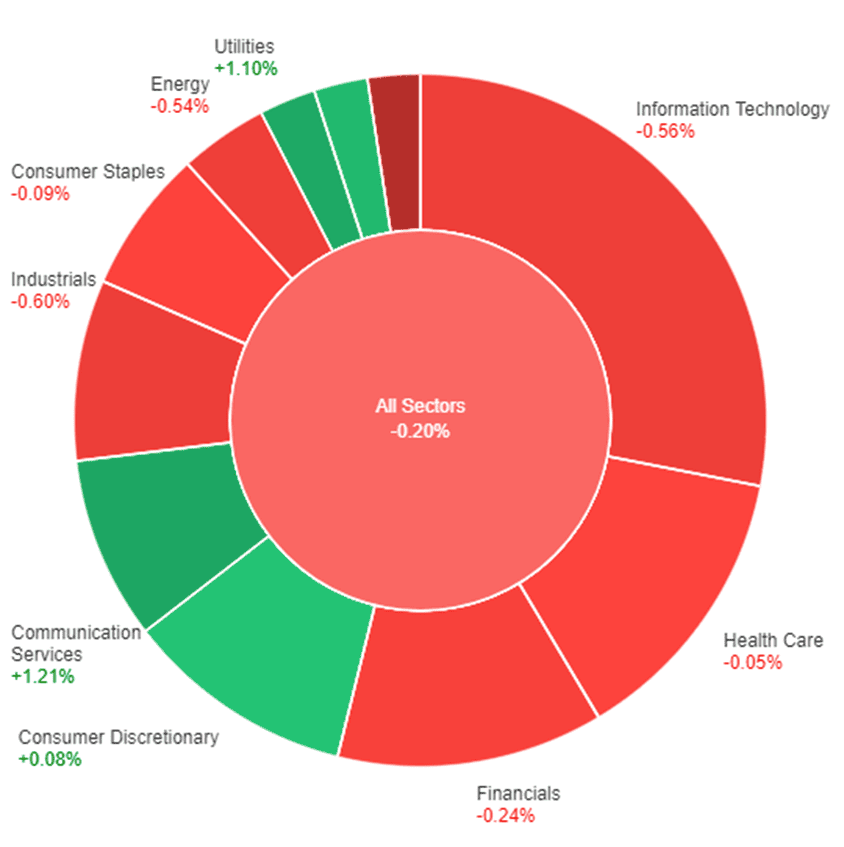
The overall performance of the stock market after the holiday-shortened week.

Data by Bloomberg

On Wednesday, the overall performance of the stock market saw a slight decline of 0.20%. However, some sectors managed to buck the trend and achieve positive gains. Communication Services experienced the highest increase of 1.21%, followed closely by Utilities with a rise of 1.10%.

Real Estate also showed a modest growth of 0.47%. On the other hand, certain sectors faced losses, with Materials taking the biggest hit at -2.47%. Energy and Information Technology also saw declines of -0.54% and -0.56% respectively.

The remaining sectors, including Consumer Discretionary, Health Care, Consumer Staples, Financials, Industrials, and Materials, all experienced smaller drops ranging from -0.05% to -0.60%.

Major Pair Movement

In Wednesday’s trading, the dollar index experienced a 0.3% gain, seen as a precursor to important upcoming data releases in the United States on Thursday and Friday. The dollar’s performance was supported by weaker-than-expected data and risk-off sentiment due to concerns in the market.

The Federal Reserve’s minutes from their recent meeting confirmed existing expectations of a hawkish stance. The decision by the Reserve Bank of Australia to keep interest rates unchanged on Tuesday also contributed to the dollar’s strength.

Additionally, with major central banks raising rates to combat inflation and uncertainties surrounding China’s economy, investors turned to the dollar as a safe haven. As a result, the AUD/USD pair fell by 0.54%, while the USD/CNH pair surged by 0.42%.

The focus in the coming days will be on the release of key US reports on Thursday, including data on layoffs, jobless claims, ISM services, and JOLTS. This will be followed by Friday’s highly anticipated payroll report.

These upcoming reports overshadowed the impact of the Federal Reserve’s minutes, particularly after a series of comments made by policymakers indicating the possibility of two more interest rate hikes this year.

While forecasts suggest a slightly less hawkish stance from the Fed compared to previous periods, it is worth noting that non-farm payrolls have consistently exceeded expectations this year. Investors will be closely watching the expected figure of 225,000 jobs added in June, following the substantial increase of 339,000 in May.

If this week’s data continues to present conflicting signals, as some recent releases have, then the significance of Wednesday’s consumer price index (CPI) will grow. Expectations for Fed rate hikes have remained relatively stable, with a skipped hike in June and a projected 25 basis point increase in July or, at the latest, September.

There is only about a 35% probability of a final rate increase beyond that. The euro fell by 0.25%, briefly touching the daily cloud support level that held June’s lows at 1.08355 on EBS. The European Central Bank is expected to raise rates by 25 basis points two more times.

The Japanese yen, on the other hand, rose by 0.14% after a temporary drop towards 144, a level where 2.38 billion of options are set to expire on Thursday. The yen’s upward trend is consolidating within a range of 144-145 as currency traders await key US data releases.

The British pound declined by 0.16% as investors weigh the potential economic consequences against the market’s pricing of 143 basis points of Bank of England rate hikes.

Picks of the Day Analysis
EUR/USD (4 Hours)

EUR/USD Slips as Dollar Strengthens and Economic Concerns Weigh

The EUR/USD pair experienced a second consecutive day of losses, dropping below the 20-day simple moving average. Factors contributing to the decline included a cautious sentiment in equity markets, higher US yields, and a stronger US dollar following the release of the FOMC minutes.

In Eurozone data, while inflation expectations remained steady, the Producer Price Index showed a negative annual rate, and the final June Services and Composite PMI figures were revised lower, sparking recession fears. The US dollar strengthened across the board, supported by the FOMC minutes and rising US yields.

Attention now shifts to US labour market data, including the ADP private employment report, Jobless Claims, and JOLTS, followed by Nonfarm Payrolls later in the week.

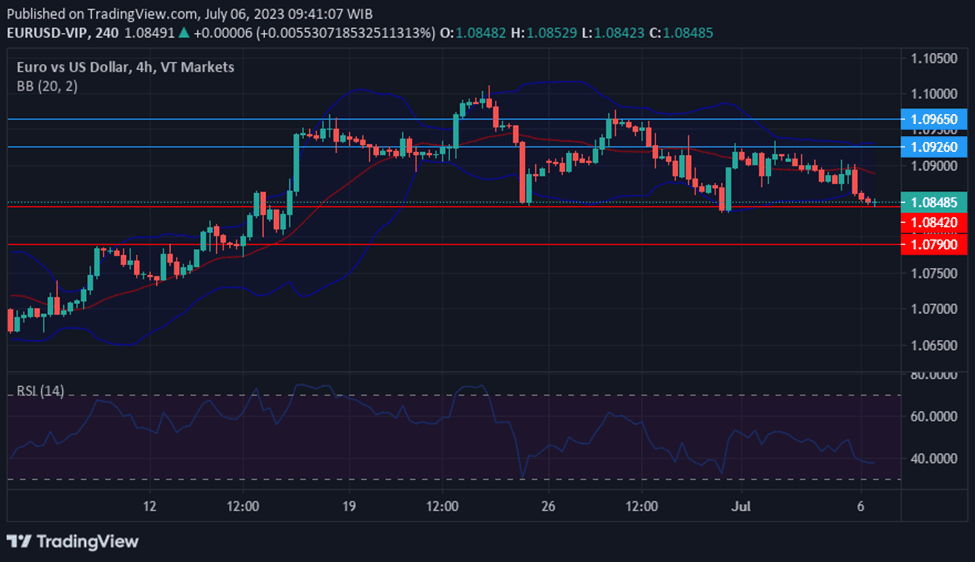
EURUSD movement as Dollar strengthens and economic concerns weigh

Chart EURUSD by TradingView

According to technical analysis, the EUR/USD pair moved lower on Wednesday and has reached the lower band of the Bollinger Bands. Currently, the price is still hovering around the lower band, indicating a potential for further downward movement. The Relative Strength Index (RSI) is currently at 37, suggesting a bearish sentiment for the EUR/USD.

Resistance: 1.0926, 1.0965

Support: 1.0842, 1.0790

XAU/USD (4 Hours)

Spot Gold (XAU/USD) Prices Decline as Market Sentiment Deteriorates Ahead of FOMC Meeting Minutes

Gold prices faced downward pressure as market sentiment worsened, causing XAU/USD to trade at around $1,924 after reaching a weekly high of $1,934.99. The demand for the US Dollar increased due to a deteriorated market sentiment ahead of the release of the Federal Open Market Committee (FOMC) Meeting Minutes.

Additionally, concerns arose over China’s export restrictions on metals essential for the chip industry and softer-than-expected growth in the services sector. The FOMC’s decision to maintain the Fund Rate at 5.00/25% and the possibility of multiple rate hikes by year-end further influenced market expectations and the potential for US Dollar gains.

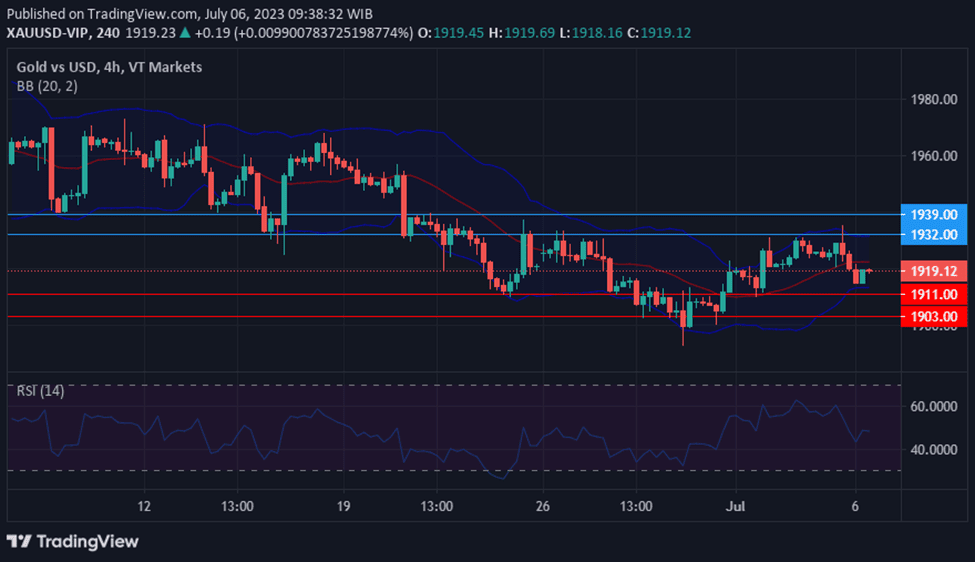
XAUUSD movement as market sentiment deteriorates ahead of FOMC Meeting Minutes

Chart XAUUSD by TradingView

According to technical analysis, the XAU/USD pair is experiencing a downward movement on Wednesday, with the potential to reach the lower band of the Bollinger Bands. Currently, the price is slightly below the middle band and may move further down towards the lower band of the Bollinger Bands. The Relative Strength Index (RSI) currently stands at 48, having fallen from a higher level, indicating a neutral stance for XAU/USD with a slight bearish bias.

Resistance: $1,932, $1,939

Support: $1,911, $1,903

CurrencyDataTime (GMT + 8)Forecast
USDADP Non-Farm Employment Change20:15226K
USDUnemployment Claims20:30247K
USDISM Services PMI22:0051.3
USDJOLTS Job Openings22:009.93M

U.S. Stock Futures Steady as Wall Street Resumes Trading After Holiday Break

U.S. stock futures showed little change on Tuesday night as Wall Street prepared to resume trading after the Fourth of July holiday. Dow Jones Industrial Average futures declined by 0.1%, while S&P 500 and Nasdaq 100 futures dipped by less than 0.1%.

The market had closed early on Monday, with slight gains in the Dow Jones, S&P 500, and Nasdaq Composite. The positive session followed a strong first half of the year, particularly for the Nasdaq Composite and S&P 500, which experienced their best starts since 1983 and 2019, respectively.

Market participants remain optimistic about a potential rally in the second half of the year, despite the possibility of a pullback later on.

Investors are keeping an eye on upcoming economic indicators, such as May factory orders data, which is expected to show a rise of 0.6% compared to the previous month. Additionally, the release of June’s Federal Reserve meeting minutes at 2 p.m.

ET will provide insight into the future of interest rate hikes. New York Fed President John Williams is scheduled to speak later in the day at the 2023 Annual Meeting of the Central Bank Research Association (CEBRA) in New York City.

Overall, with the holiday period ending, traders are cautiously anticipating the market’s direction, while remaining hopeful for a potential rally in the second half of the year.

All sectors' performances showing slight increase.

Data by Bloomberg

The stock market is closed on Tuesday due to Independence Day in the US.

On Monday, the overall market showed a slight increase of 0.12%. Among the different sectors, Consumer Discretionary experienced the highest growth with a positive change of 1.07%, followed by Real Estate at 0.85% and Consumer Staples at 0.69%.

Utilities and Financials also saw positive gains with increases of 0.67% and 0.54% respectively. Energy and Materials both had modest growth of 0.31%. Communication Services had a minimal increase of 0.13%, while Industrials only saw a slight rise of 0.07%. On the other hand, Information Technology suffered a decline of -0.31%, and Health Care experienced the largest decrease with a negative change of -0.82%.

Major Pair Movement

The GBP/USD pair displayed resilience by closing up 0.2% despite the strengthening of the US dollar, while the EUR/GBP pair experienced a decline of 0.5%. This strength in the British pound can be attributed to varying expectations regarding interest rate hikes, which are providing a solid foundation of support.

Despite the challenges posed by the stronger US dollar, the pound managed to hold its ground and maintain a positive trajectory.

The AUD/USD pair commenced trading with a 0.31% increase, following a relatively calm session influenced by holiday factors. The Australian dollar (AUD) managed to gain against all major currencies except for the New Zealand dollar (NZD).

Market participants brushed off the Reserve Bank of Australia’s decision to pause, as an underlying hawkish bias remained intact. The positive sentiment surrounding the AUD/USD pair reflected the market’s indifference towards the central bank’s cautious approach.

The EUR/USD pair began trading with a decline of 0.35% after a quiet session influenced by holiday-related factors. The selling pressure on the euro (EUR) against the Japanese yen (JPY) contributed to this lower opening.

The EUR/USD pair faced challenges due to the light selling of EUR/JPY, which weighed on its performance. The impact of the holiday season was felt in the market, resulting in subdued trading activity and influencing the euro’s initial weakness against the US dollar (USD).

Picks of the Day Analysis
EUR/USD (4 Hours)

EUR/USD Modestly Falls on Quiet Day, Focus Shifts to FOMC Minutes and US Labor Market Data

The EUR/USD experienced a slight decline on a quiet day in the financial markets, with limited price action due to a US holiday. The Euro lagged behind the pound without any significant economic reports. Volatility is expected to increase on Wednesday with the release of Eurozone economic data and the FOMC minutes.

Market participants remained cautious on US Independence Day, but trading activity is expected to return to normal. The focus is now on the FOMC minutes and upcoming US labour market data, which will influence expectations regarding the actions of the Federal Reserve.

In the Eurozone, the May Producer Price Index (PPI) is anticipated to show a decline, providing some positive news for the European Central Bank (ECB).

Additionally, the final reading of the Markit Services PMI is due, with no major revisions expected.

Chart EURUSD by TradingView

According to technical analysis, the EUR/USD pair remained unchanged on Tuesday and reached the middle band of the Bollinger Bands. Currently, the price is slightly below the middle band, indicating a possible downward movement towards the lower band.

The Relative Strength Index (RSI) is currently at 43, suggesting that the EUR/USD is in a neutral position but slightly bearish.

Resistance: 1.0926, 1.0965

Support: 1.0842, 1.0790

XAU/USD (4 Hours)
Trade Gold with VT Market, Find Out More

Spot Gold (XAU/USD) Holds Near Weekly High as Financial Markets Remain Quiet on Independence Day

Spot Gold maintained its position near the weekly high reached on Monday at $1,930.98, extending its gains for the fourth consecutive day. With the United States observing Independence Day and no significant news developments, financial assets remained stagnant, trading within familiar levels.

The Reserve Bank of Australia (RBA) announced no change to the Official Cash Rate (OCR) at 4.1%, noting that inflation in the economy has peaked. Initially, the decline in the Australian dollar provided support to the US Dollar, but the American currency reversed its course and weakened against most major counterparts, buoyed by stable Asian shares.

However, European markets closed in the negative territory. Market participants eagerly awaited upcoming labour market updates from the United States scheduled for the latter half of the week, as the macroeconomic calendar offered little else of significance.

Chart XAUUSD by TradingView

According to technical analysis, the XAU/USD pair is experiencing an upward movement on Tuesday, with the potential to reach the upper band of the Bollinger Bands. Currently, the price is slightly below the upper band and may potentially move downward towards the middle band of the Bollinger Bands. The Relative Strength Index (RSI) currently stands at 55, having fallen from a higher level, indicating a neutral stance for XAU/USD.

Resistance: $1,932, $1,939

Support: $1,911, $1,903

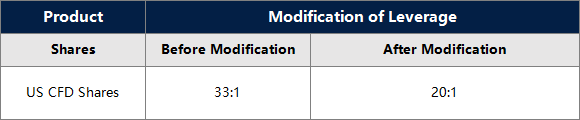
美股产品交易设置调整通知 – 2023年07月04日

尊敬的用户:

您好!

因应近期日渐波动的美股市场风险,VT Markets 将于2023 年7月 10日调整美股产品的部份交易设置,详请参考如下:

注意:以上数据仅供参考,实际执行数据有可能会有变动,具体请依据MT4/MT5软件为准。

温馨提醒:

1. 本次调整除杠杆之外,其他所有交易细则维持不变

2. 账户内预付款比例可能因此次调整受到影响,请务必在调整前确保账户中保留足够持有仓位的资金。

如您有任何疑问,我们的团队将十分乐意为您解答。
请留言或发邮件至 [email protected] 或联系在线客服。

Stocks Inch Higher as Second Half Begins with Positive Momentum

In a shortened session marking the start of a new trading month, quarter, and half, stock markets experienced slight gains on Monday. The Dow Jones Industrial Average rose by 0.03%, adding 10.87 points to close at 34,418.47.

Similarly, the S&P 500 climbed 0.12% to end at 4,455.59, while the Nasdaq Composite advanced 0.21% to 13,816.77. Tesla shares surged by 6.9% after the company exceeded analysts’ expectations with impressive delivery and production numbers, leading to a boost in other electric vehicles stocks like Rivian, Fisker, and Lucid.

The first half of the year proved to be exceptional for Wall Street, with the Nasdaq Composite registering its highest first-half gain since 1983, surging by 31.7%. The S&P 500 also performed well, jumping 15.9%, marking its best first-half performance since 2019.

Meanwhile, the Dow Jones Industrial Average had a more modest gain of 3.8% during the period. Factors such as increasing enthusiasm around artificial intelligence and resilient U.S. economic data, which defied concerns over rising interest rates, contributed to positive investor sentiment.

Investors are now shifting their mindset from fear of missing out (FOMO) to a more positive outlook for the second half of the year. Sam Stovall, chief investment strategist at CFRA Research, suggests that after a strong first half, investors are considering the potential for continued positive momentum.

While the ISM’s manufacturing purchasing managers’ index for June fell slightly below expectations, signalling a decline in economic activity, investors will be closely watching job market data later in the week for further insights.

All sectors performance with stock investors shifting to a more positive outlook for second half.

Data by Bloomberg

On Monday, the overall market showed a slight increase of 0.12%. Among the different sectors, Consumer Discretionary experienced the highest growth with a positive change of 1.07%, followed by Real Estate at 0.85% and Consumer Staples at 0.69%. Utilities and Financials also saw positive gains with increases of 0.67% and 0.54% respectively.

Energy and Materials both had modest growth of 0.31%. Communication Services had a minimal increase of 0.13%, while Industrials only saw a slight rise of 0.07%. On the other hand, Information Technology suffered a decline of -0.31%, and Health Care experienced the largest decrease with a negative change of -0.82%.

Major Pair Movement

The dollar index initially gained in early European trading but later levelled off as Treasury yields decreased and proved to be less inflationary than anticipated. However, with significant data scheduled to be released later in the week and a U.S. holiday on Tuesday, market reactions remained limited.

The EUR/USD currency pair initially rose from 1.0870 to 1.0934 before stabilizing near unchanged levels. The final eurozone PMI manufacturing index, although slightly higher than the flash estimate, indicated caution for investors and suggested waiting for more data, especially the U.S. claims, ISM services, JOLTS, and employment report to be released later in the week.

The minutes from the Federal Reserve meeting are also set to be released on Wednesday.

USD/JPY broke through a support level that had been holding since June 16. However, despite weaker ISM data, buyers emerged around the 144 level, preventing a significant correction.

For a larger correction to occur, there would need to be a retreat in the spread between Treasury and Japanese Government Bond yields. This retreat seems plausible only if U.S. labour data turns out to be weaker than expected, reversing the trend of mostly positive outcomes.

Additionally, the British pound received a boost following the release of the ISM data, after a previous decline. Market expectations for future rate hikes by the Bank of England continue to overshadow those anticipated by the Federal Reserve.

Picks of the Day Analysis
EUR/USD (4 Hours)

EUR/USD Recovers as Weak US Data and Holidays Keep Market Calm

The EUR/USD rebounded above 1.0900 during the American session as the US dollar lost momentum due to disappointing economic data and the US holidays. The upcoming release of employment data and FOMC minutes will play a crucial role.

Despite negative revisions to the Eurozone Manufacturing PMI, the European Central Bank (ECB) plans to raise interest rates in July and the odds of another hike in September are over 50%. The weaker US dollar pushed the EUR/USD higher, while hawkish Federal Reserve comments provided support.

EURUSD movement due to disappointing economic data and the US holidays

Chart EURUSD by TradingView

According to technical analysis, the EUR/USD pair remained flat on Monday and reached the middle band of the Bollinger Bands. Currently, the price is slightly above the middle band of the Bollinger Bands, indicating a potential upward movement towards the upper band. The Relative Strength Index (RSI) is currently at 51, suggesting that the EUR/USD is in a neutral position.

Resistance: 1.0926, 1.0965

Support: 1.0883, 1.0842

XAU/USD (4 Hours)

Spot Gold (XAU/USD) Gains as Weak US Data Pushes Dollar Down

Spot Gold (XAU/USD) experienced a recovery on Monday, bouncing back from its lowest level since mid-March at $1,892.95 per troy ounce. The US Dollar initially found some support but eventually turned south against most rivals during the American session.

The advance of XAU/USD intensified following the release of disappointing US data, with the June ISM Manufacturing PMI falling to 46, missing expectations of 47.2. The contraction in manufacturing output for eight consecutive months, along with easing inflation, has kept financial markets positive and diverted attention away from the USD.

Employment-related figures will be closely watched this week, leading up to the release of the June Nonfarm Payrolls report on Friday.

XAUUSD movement as weak US data pushes dollar down

Chart XAUUSD by TradingView

According to technical analysis, the XAU/USD pair is experiencing an upward movement on Monday, with the ability to reach the upper band of the Bollinger Bands. At present, the price is slightly below the upper band and may potentially move downwards towards the middle band of the Bollinger Bands.

The Relative Strength Index (RSI) currently stands at 56, having risen from a lower level, indicating a neutral stance for XAU/USD.

Resistance: $1,923, $1,932

Support: $1,911, $1,903

Economic Data
CurrencyDataTime (GMT + 8)Forecast
AUDCash Rate12:304.10%
AUDRBA Rate Statement12:30
USDBank Holiday
Back To Top
server

您好 👋

我能帮您什么吗?

立即与我们的团队聊天

在线客服

通过以下方式开始对话...

  • Telegram
    hold 维护中
  • 即将推出...

您好 👋

我能帮您什么吗?

telegram

用手机扫描二维码即可开始与我们聊天,或 点击这里.

没有安装 Telegram 应用或桌面版?请使用 Web Telegram .

QR code